

Nepal attracts thousands of tourists every year, but a first trip to the Himalayas can be as overwhelming as it is exciting. Where should you go? How should you prepare? Is it even for me? If you’re asking yourself these questions, this article is for you. No glossy brochure fluff — just practical information to help you make the right decision.
Is trekking in Nepal suitable for beginners?
Yes — provided you choose your route sensibly. Of course, Nepal isn’t just about eight-thousanders and expeditions for experienced mountaineers. The country offers a varied network of trails: from day trips in Pokhara, through routes lasting several days at altitudes of 3,000–4,000 metres above sea level, right through to treks lasting around two weeks, such as the Annapurna Circuit or the trek to Everest Base Camp.
For your first trip to the Himalayas, one thing is crucial: Choose a route that suits your abilities, not because of the prestige of its name, or just because a friend has been there and said it was great
Which routes do we recommend for beginners?
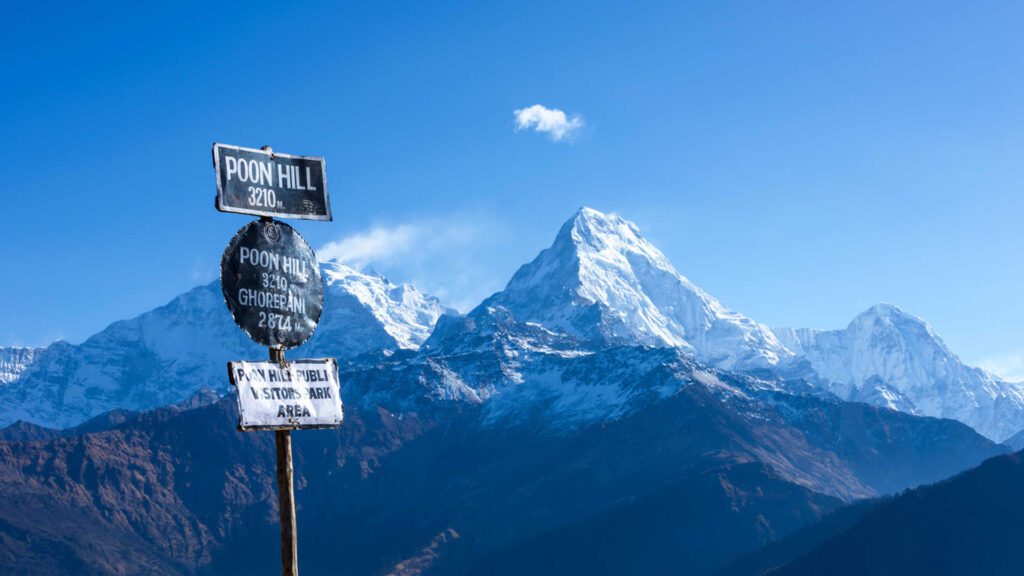
Poon Hill (3,210 metres above sea level)
A classic trek for beginners. A 4–5-day trek from Pokhara, with overnight stays in tea houses at each stage, and panoramic views of Annapurna and Dhaulagiri at sunrise. No previous high-altitude experience is required, but a basic level of fitness is essential. Ideal if you’re looking for an easy trek at a moderate altitude; particularly recommended for moderately active people, older people and families with children.
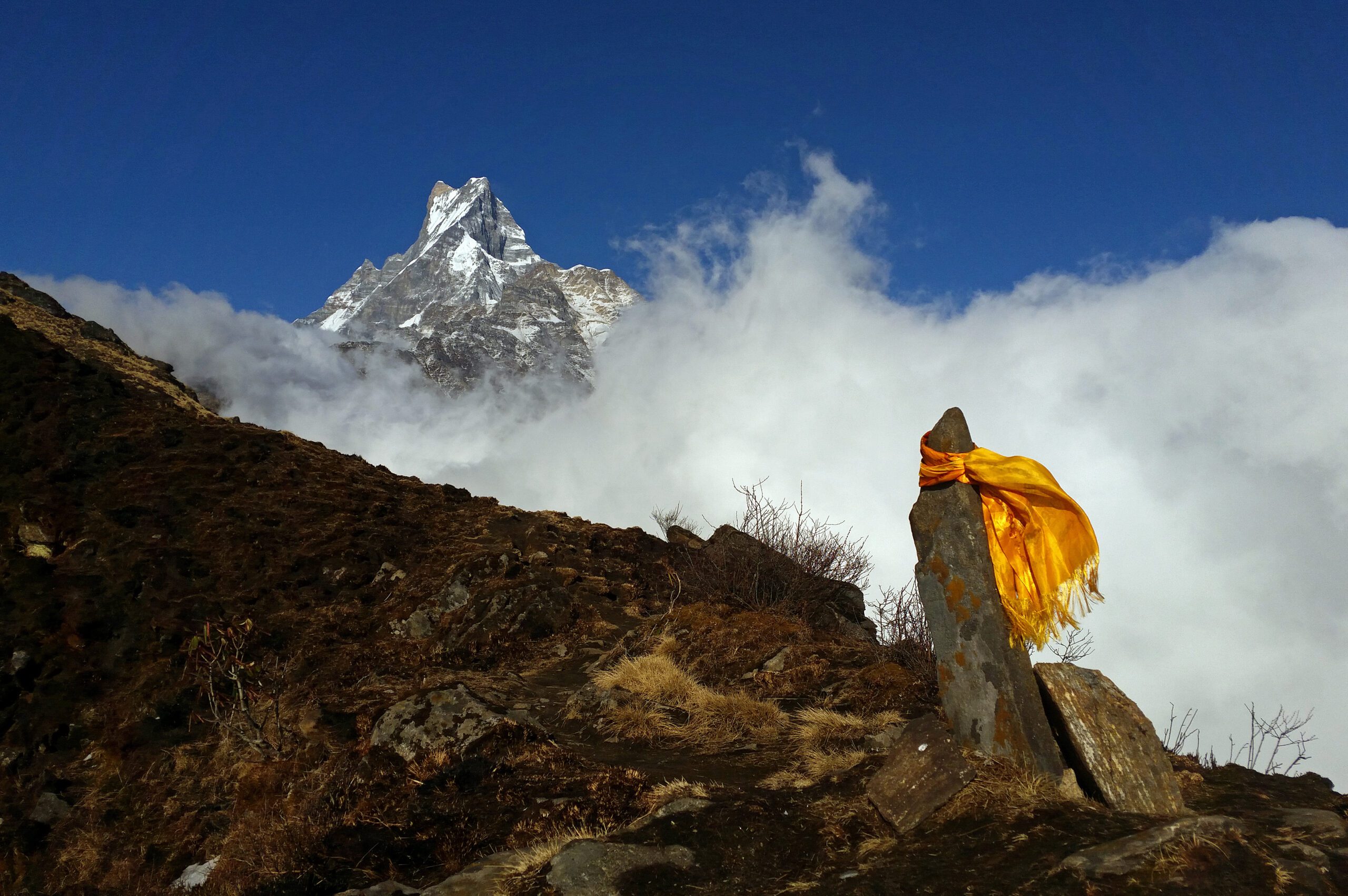
Mardi Himal (4,500 metres above sea level)
A slightly more challenging, less crowded alternative to Poon Hill. A 5–7-day trek with spectacular views of Machhapuchhre (Fishtail). For fit walkers looking for something off the beaten track, less popular and still at a relatively manageable altitude.
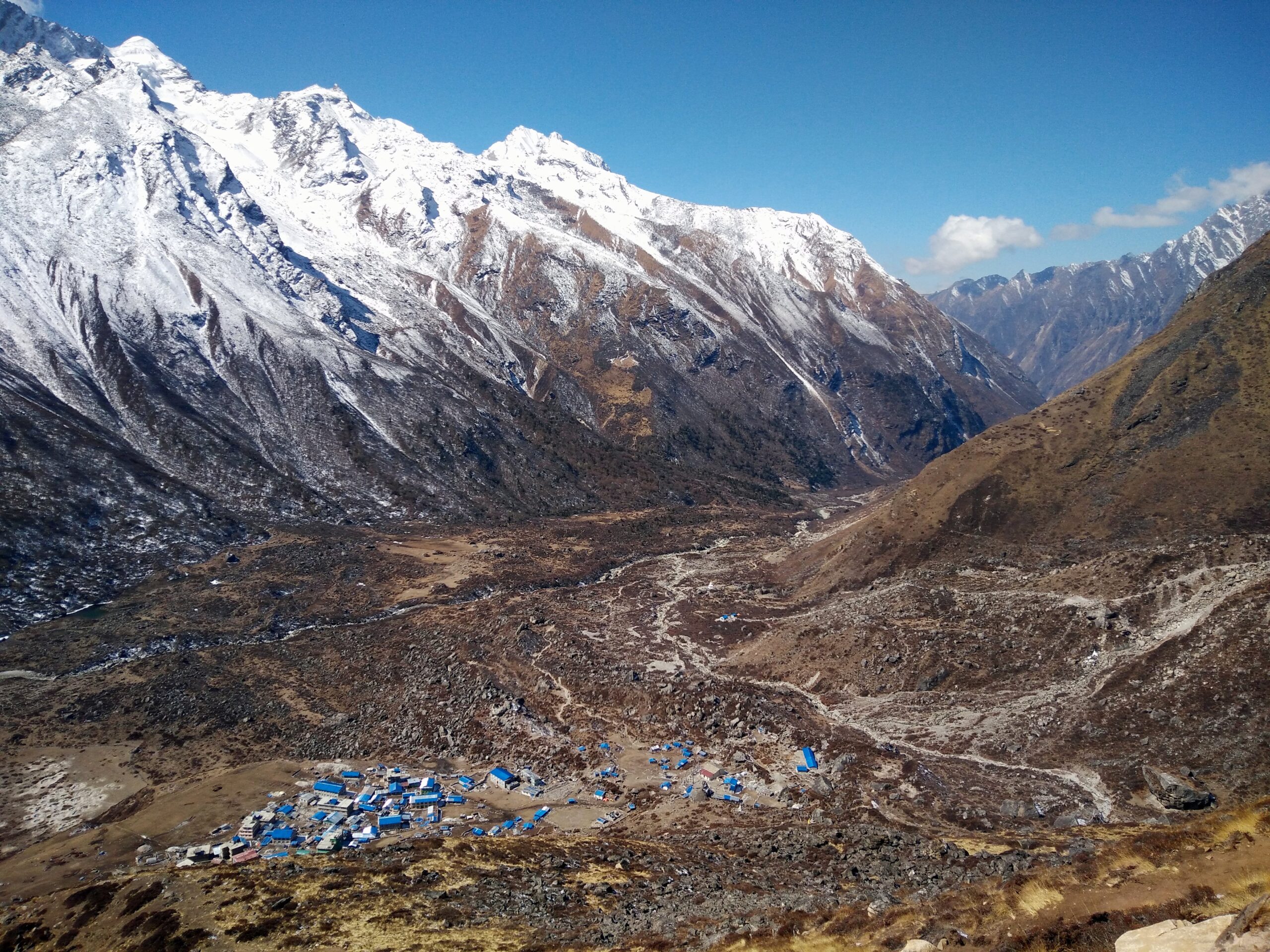
Langtang Valley (3,870 metres above sea level)
A beautiful valley not far from Kathmandu, less touristy than the Annapurna region. Good to know: due to the higher altitude and slightly less developed infrastructure than at Poon Hill, this trek requires a little more experience or care when planning your pace.
Acclimatisation – the mistake that costs the most
Altitude isn’t just about fatigue. Acute mountain sickness (AMS) can affect anyone, regardless of their physical fitness or previous experience in high mountains. The symptoms — headache, nausea, insomnia — are a sign that the body cannot keep up with the rate at which it is gaining altitude.
The basic principle: No. When staying overnight at an altitude above 2,500 metres, you should not be more than 300 metres, or at most 500 metres, higher than the previous night; do not ignore your body’s signals.
On routes such as Poon Hill, the risk of AMS is low, but even there, rushing is a mistake.
How much does your first trek in Nepal cost?
If you’re organising a trip like the Poon Hill trek yourself, the approximate costs on the ground (excluding flights) are:
- TIMS card + ACAP permit: approx. 50–60 USD
- Accommodation in tea houses: 3–10 USD per night
- Meals: 15–25 USD per day
- Guide (optional, though always recommended): 30–40 USD per day
- Contingency fund: at least 10–15% of the total budget
A return flight from Poland currently (April 2026) costs around 1,000 EUR, depending on the dates and stopovers. The whole trip — trekking plus a few days in Kathmandu or Pokhara — can realistically be completed in 2 — or more often 3 — weeks, which is a reasonable minimum when flying from Europe.
Do you need a guide?
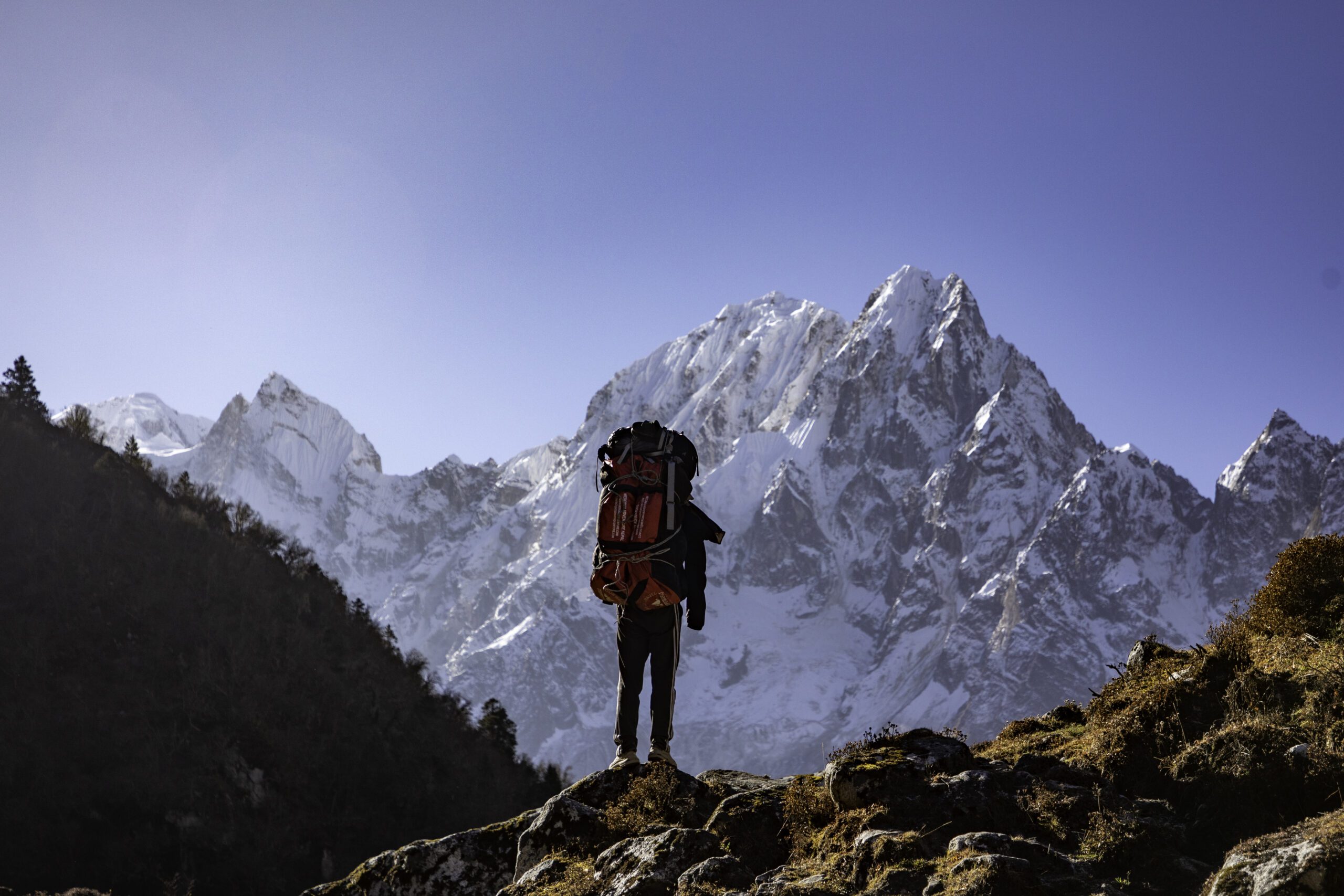
It isn’t a legal requirement on most popular trails, but for your first hike, local support really is worth it and, officially, it’s recommended. A guide is familiar with current and local conditions, helps you maintain a safe pace and allows you to focus on the trek rather than sorting out day-to-day logistics. This is particularly valuable on less-frequented routes, and is compulsory on some sections. In accordance with the requirements of the Nepalese authorities, a guide is strongly recommended, but is not compulsory on all trekking routes.
How can you prepare physically?
Trekking in Nepal involves several hours’ walking a day for several days in a row, often over uneven terrain and with ascents exceeding 1,000 metres per stage. This is, of course, also a significant altitude, so a good level of fitness will help your body acclimatise. The ideal preparation is:
- regular backpacking trips (at least 2–3 times a month for 3–4 months before departure)
- hikes with elevation gain — Mountains in Poland, such as the Tatras and the Beskids, are a great training ground
- testing the shoes before setting off (blisters at the start of a trek are a classic mistake)
- cardio and strength training They are highly recommended, and the intensity will depend on your starting point – that is, your current fitness level and your plans for the trip. The more challenging the trek or expedition, the better your preparation should be.
To tackle treks with a maximum altitude of around 5,000 metres effectively and in good shape, you need to be in good physical and mental shape; make sure you stay physically active, but also practise activities that nourish the soul (yoga, breathing exercises).
The most common mistakes made by beginners
- Too ambitious a route for a first attempt — The ECB or the Annapurna Circuit are also suitable destinations for a first-time trek, but they require thorough preparation
- Pushing it too hard in the first few days — the first few days are particularly important, but in reality, right up until you reach the planned maximum altitude, acclimatisation should be carried out in accordance with best practice; ignoring the recommendations will almost certainly take its toll
- No time buffer — flight delays, changes in the weather, a day when you’re not feeling your best — a plan with no leeway usually falls apart
- Because of a heavy rucksack — Every kilogram on your back is extra weight. The ideal weight is 7–10 kg; it’s worth using porters to help carry the load
- Neglecting sleep and hydration — Sleep at high altitudes is lighter, and dehydration accelerates the symptoms of AMS
FAQ
When is the best time to go trekking in Nepal? The best times of year are spring (March–May) and autumn (October–mid-December). In summer, most of the higher trails are closed or difficult to access, and the monsoon reduces visibility and increases the risk of landslides.
Do I need a visa to visit Nepal? Yes. Polish nationals can purchase a visa on arrival at Kathmandu Airport. The cost is 30 USD (15 days) or 50 USD (30 days).
Is trekking safe if you have no previous experience? Provided you choose the right route, maintain a sensible pace and are well prepared — of course. Nepal is a trekkers’ paradise, with well-signposted trails and a well-developed network of tea houses along popular routes, as well as generally good tourist infrastructure.
Summary
Your first trek in the Himalayas doesn’t have to be the most ambitious — it should be suited to you. Nepal rewards preparation, not heroism. Choose a route that suits your level, make sure you acclimatise, leave some leeway in your plan and budget, and you’ll return with one certainty: I want to come back here.
Are you planning your first trip to the Himalayas and not sure where to start? Contact us — We’ll help you choose a route to suit your abilities and organise your trip step by step.
