Many people assume that Nepal is a budget destination and that there’s nothing to worry about financially. This is a mistake that can prove costly. The country itself is relatively cheap, but flights from Europe, kit, insurance and unforeseen expenses can take you by surprise; prices in Nepal itself aren’t nearly as low as many people might think. Below is an example of a realistic budget — without any optimistic rounding up.
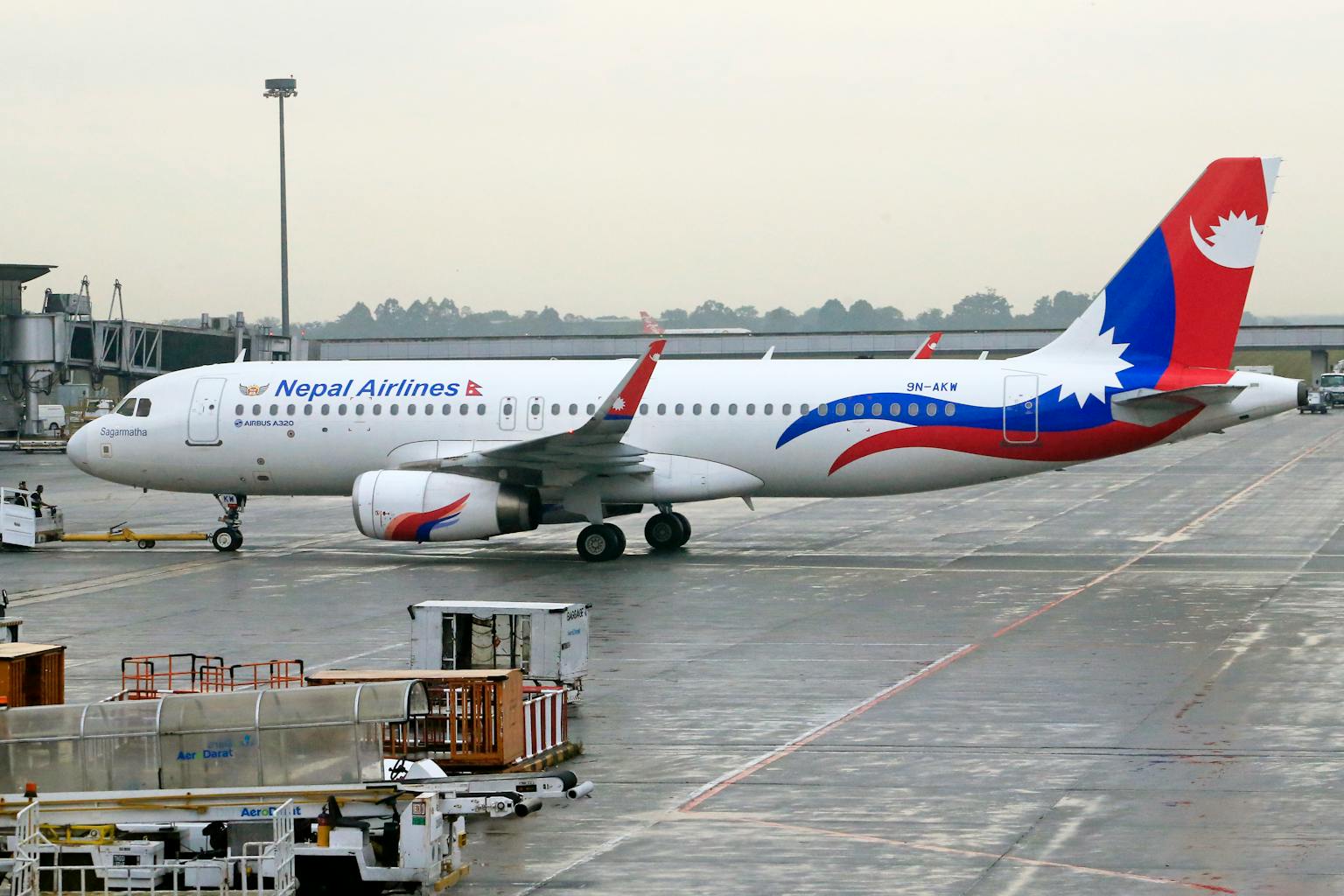
Flights from Poland to Kathmandu
There are no direct flights. Standard routes go via Dubai, Doha, Delhi or Istanbul; due to the conflict in the Middle East, you should be very careful when choosing flights through that region. The journey time is usually 12–18 hours, including a stopover.
- Return ticket price: around 1,000 EUR, depending on the date and the airline
- Kathmandu Airport (TIA): operates domestic flights to destinations including Pokhara and Lukla (a base for trekking in the Everest region)
Visas and formalities
- Visa on arrival at Kathmandu Airport: US$30 (15 days) or US$50 (30 days)
- TIMS card (trekker registration): approx. 20 USD
- National park permit (ACAP/SAGARMATHA, etc.): US$30–35, depending on the region
In total, the paperwork amounts to approx. US$80–100 on popular routes such as the Annapurna Circuit or the Everest region.
Accommodation along the trail
Tea houses – local lodges with rooms and a dining area – are a common feature on most trails.
- The cheapest room (double, basic): 3–8 USD per night
- A higher standard (en-suite bathroom, hot water): 10–25 USD per night
- Rule: The higher up and further off the main trail you go, the more expensive and more basic it gets
In practice, accommodation along the trail often works out cheaper if you eat at the same tea house — the owners usually operate on this business model and make most of their money from food.
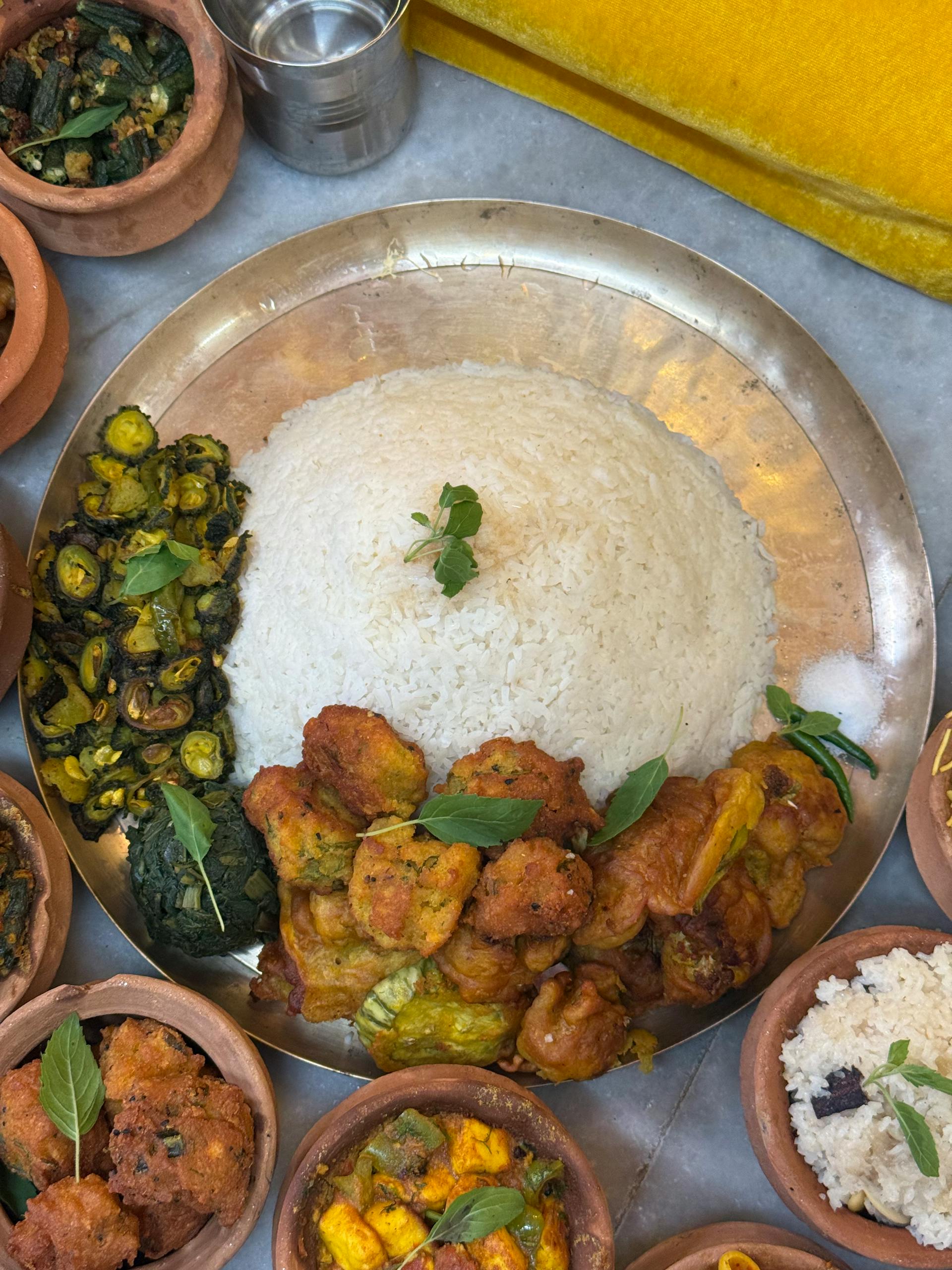
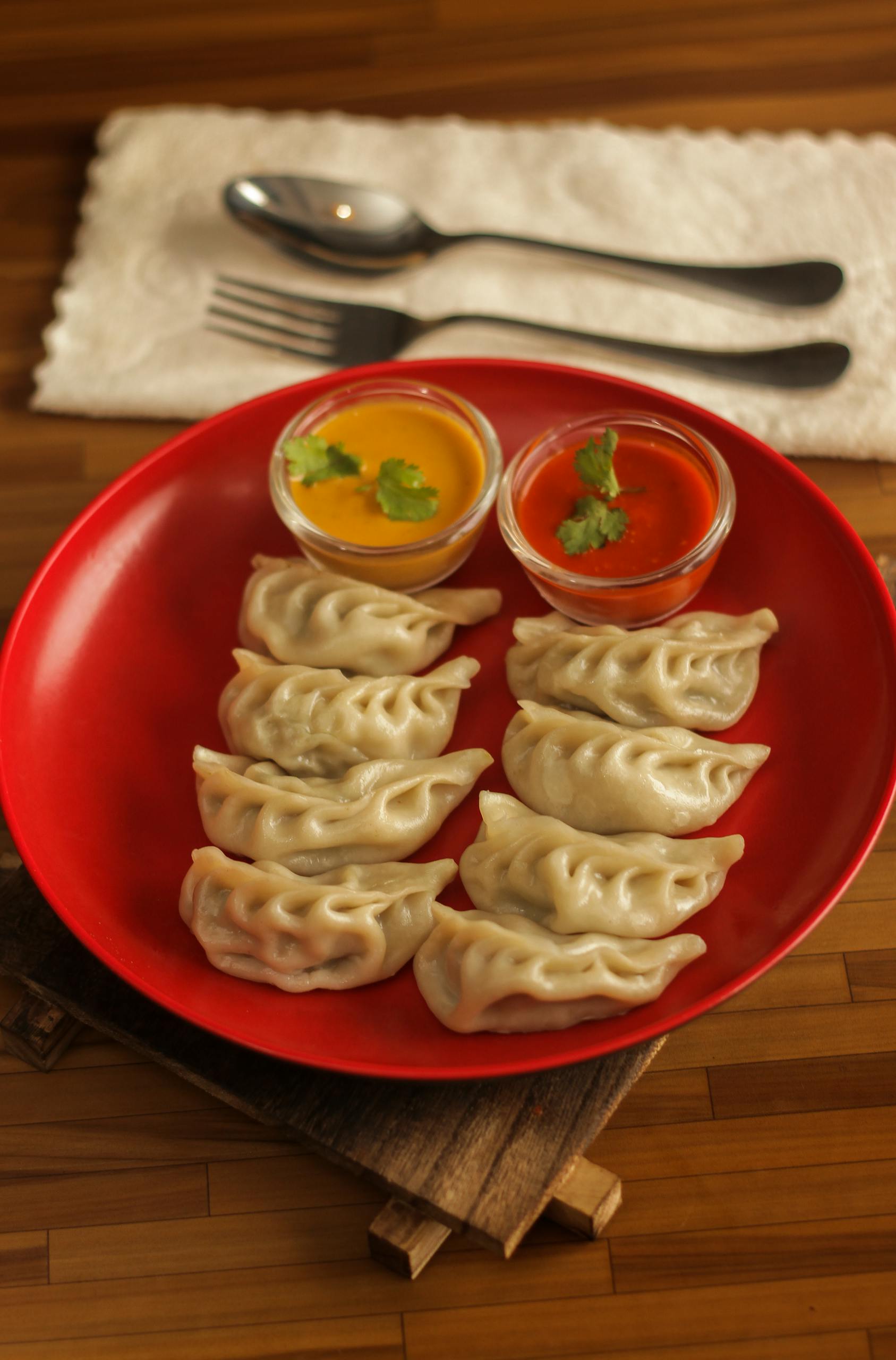
Food and drink on the trail
This is one of the items that most often takes people by surprise.
- Breakfast: US$4–8
- Lunch/dinner: 6–12 USD
- Tea or coffee: 1–4 USD
- Bottled water: 1–5 USD (the price increases with altitude — it’s worth having a filter or tablets)
With three meals a day plus drinks, you’re actually spending 20–25 USD per day on food. In higher-altitude areas, as much as 30–40 USD.
Guide and porter
On some sections of the trails, it is not compulsory to hire a guide, but the Nepalese authorities recommend, for the safety of tourists, that you use guides from licensed agencies. On some sections of the trails, guides are compulsory. Porters are not compulsory, but they provide a very important and valuable form of support.
- Guide (licensed guide): 25–50 USD per day
- Porter: 18–40 USD per day (carries up to approx. 25 kg)
- Tip: usually 15% of the total remuneration for the entire route
On your first trip, a guide is often not a luxury but a practical safety measure — especially if you’re planning to go higher than 3,500 metres above sea level.
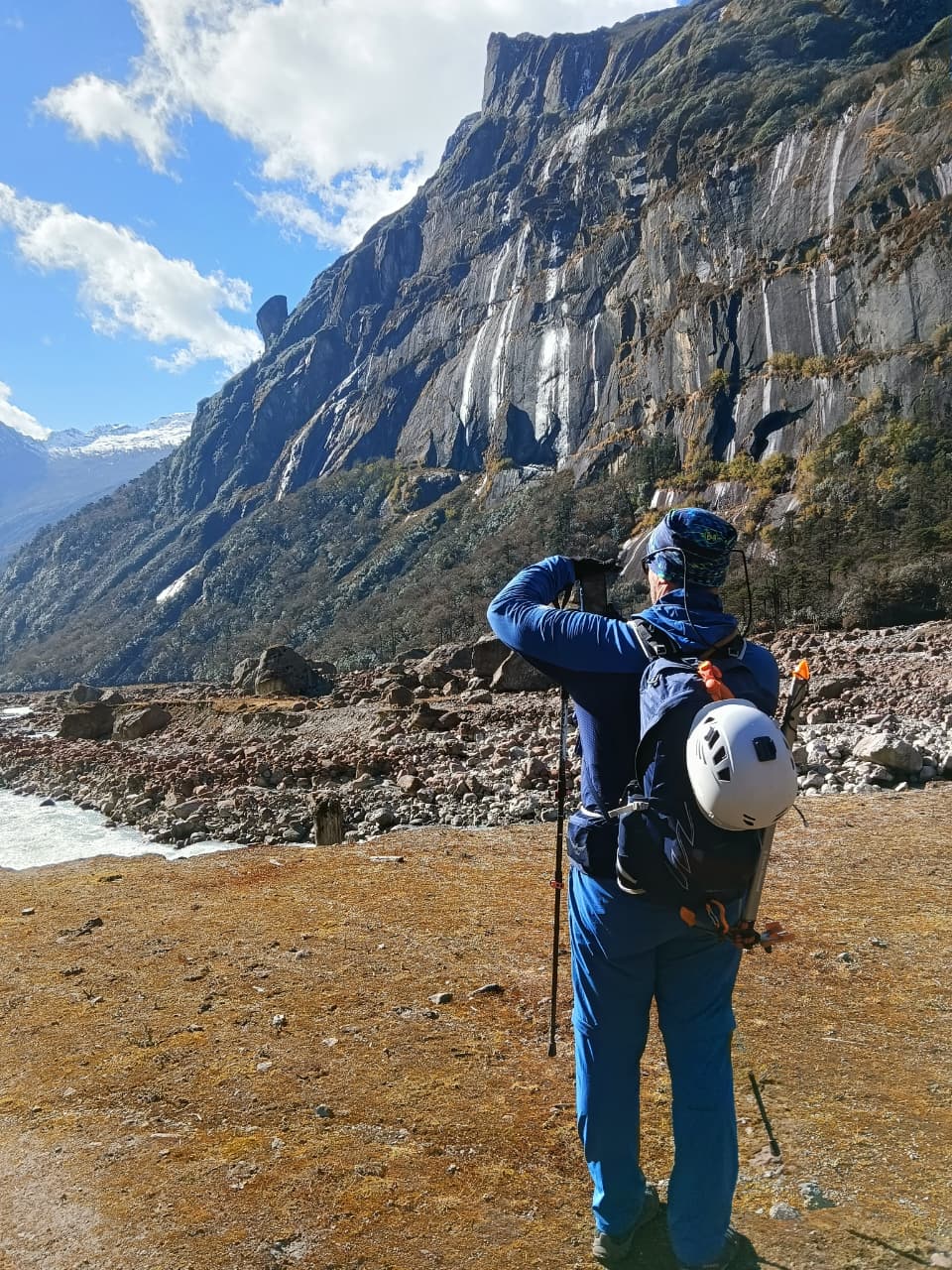
Equipment — should I buy it in Poland or in Kathmandu?
Shop in Poland:
- trekking boots (be sure to test them before you set off — go on at least a few walks)
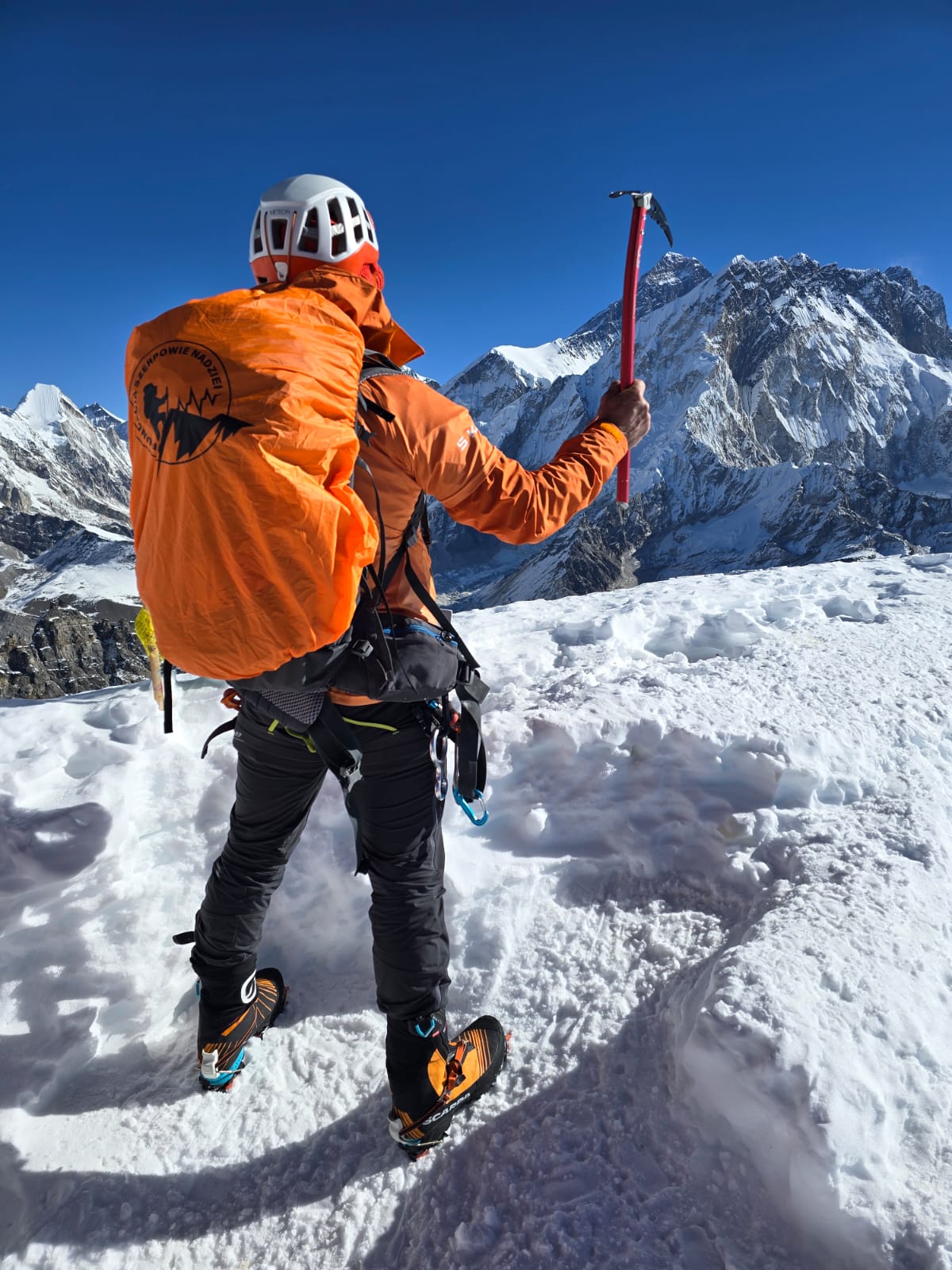
- down and rain jacket
- thermal underwear
- first-aid kit and medicines
You can buy or hire the following in Kathmandu (Thamel):
- sleeping bag (rental from 4–7 USD per day), purchase price around 150–200 USD
- trekking poles (rental: 10–20 USD for the whole stay)
- hat, gloves, leg warmers
- optional: down jackets, down trousers, trekking clothing
Kathmandu is full of shops selling replicas of well-known brands — the prices are low and the quality varies, but you can also find some good products. They’ll do for a short trek, but for more challenging conditions it’s better to bring tried-and-tested kit from home.
Insurance
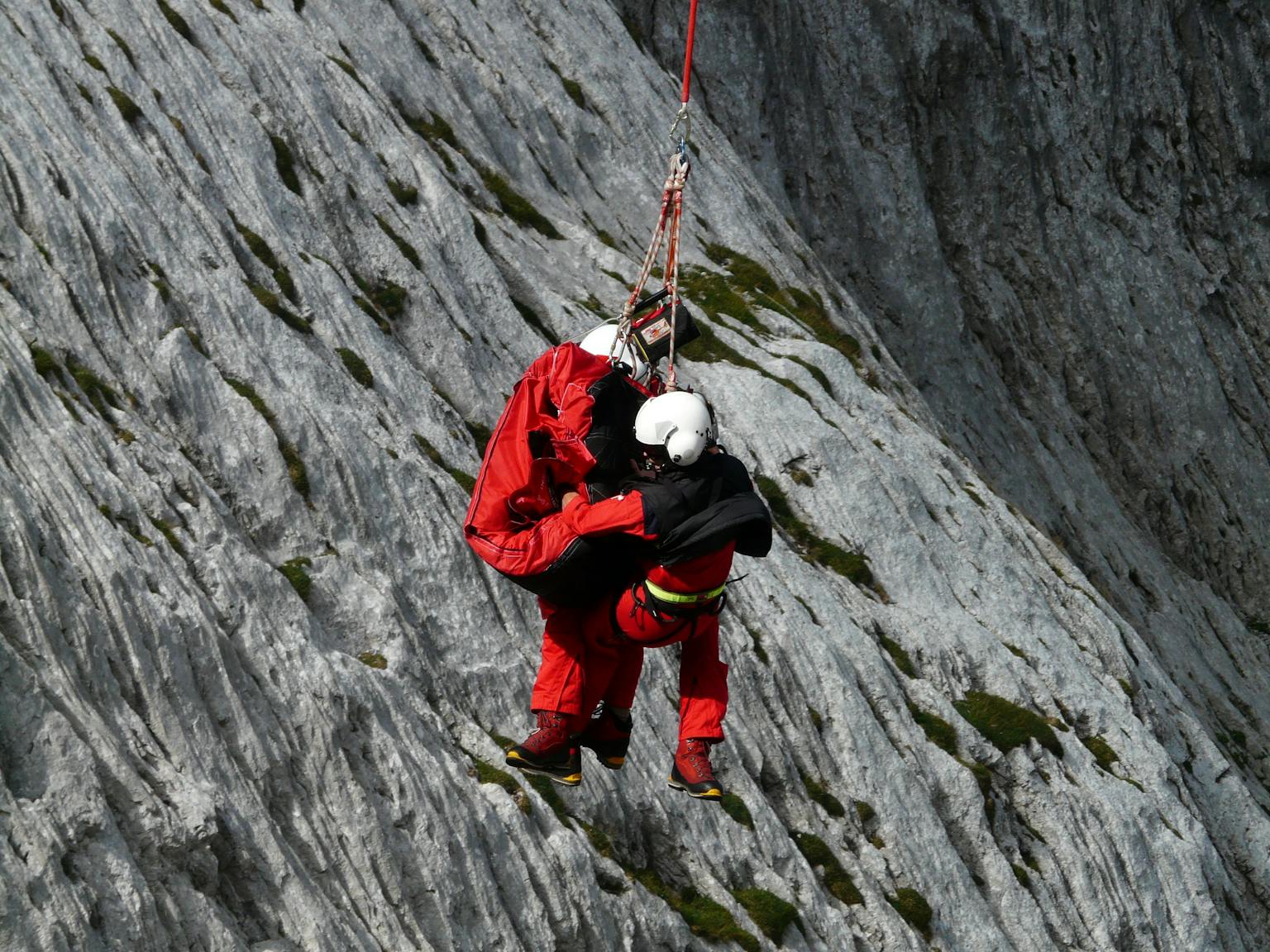
This isn’t an area where you should skimp. A helicopter evacuation from the Himalayas whilst on a trekking route costs between 3,000 and 10,000 USD. Without insurance, you’ll have to cover the cost yourself.
Look for a policy that covers:
- treatment and hospitalisation abroad
- air evacuation (helicopter rescue)
- trekking to at least the maximum altitude you plan to reach on your trip
- repatriation
The cost of good insurance for a 2–3-week trekking trip: 100–300 EUR. It’s one of the best things you’ll spend money on during the whole trip and, to be honest… a must.
Where you can save money, and where you shouldn’t
You can cut:
- flight (flexible dates, advance booking)
- accommodation in cities (basic hostels in Kathmandu from 10–20 USD per night)
- food (dal bhat instead of burgers — tastier and cheaper)
Do not cut here:
- insurance covering helicopter rescue
- shoes (the wrong shoes = blisters = the end of the trek)
- a financial buffer — in the mountains, surprises are always just round the corner
FAQ
Is Nepal cheap for a European? Once you’re there — probably so. The costs of food, accommodation and transport are lower than what we’re used to in Poland. But the flight, equipment and insurance mean that the total budget for the trip can’t be low.
Can you pay by card in Nepal? In Kathmandu and Pokhara, yes, although it’s not very common; on the trail, however, you’ll need cash (Nepalese rupees). There are cash machines in the larger towns, but make sure you withdraw enough cash before setting off on the trail.
Is it worth taking your wallet with you for unnecessary spending? A cup of tea at sunset, a souvenir for the family, an extra day after a change in the weather — these things happen. It’s worth having at least 300 USD more than you think you’ll need.
When should I buy tickets? Ideally, 3–4 months in advance. During the peak season (March–May and October–November), tickets are more expensive and there’s less flexibility.
Summary
A realistic budget for trekking in Nepal isn’t a question of whether you can afford it — it’s a question of whether you’ve calculated it properly. Most financial surprises stem not from a single large expense, but from several overlooked items all at once: equipment bought in a rush, a lack of a financial buffer, tips forgotten in the budget, or an extra day in Kathmandu due to a delayed flight.
If you plan everything in advance and allow for a margin of 15%, you can travel with peace of mind. Nepal rewards good preparation.
Do you have any questions about specific costs, or would you like to choose a trip that suits your budget? Get in touch with us — we’ll help you draw up a plan without causing financial chaos.
