

Safe in the Himalayas - are you ready for your expedition?
The Himalayas are a dream many climbers and trekkers, but Are you really ready? on that’s a challenge? High-altitude climbing requires not only courage, but also sound technical skills. Lack of preparation that is one of the most common causes of failure on peaks.
That is why We have organised preparatory workshops SAFE IN THE HIMALAYAS, which will enable you to gain essential knowledge i practical experience before an expedition to the highest mountains.
Under the supervision of PZA instructors and Himalayan guide, Nimy Sherpa you’ll learn belaying techniques, climbing in difficult terrain, equipment operation and acclimatisation strategies.
Would you like to find out more? We’ll be opening registration very soon – follow our channels
In the meantime, we invite you to read the post about safety in the Himalayas.

Safety in the Himalayas: the key to a successful expedition
The Himalayas, the world’s highest mountains, attract travellers, climbers i trekking enthusiasts from all over the world. Their Majesty goes hand in hand with challenges, which is why proper preparation i a focus on safety are key for a successful and stress-free trip.
Travelling in the Himalayas, it’s worth surround yourself with experienced people, and if We haven’t got much experience yet w in the high mountains, using a professional agency is the best choice.
The main hazards in the Himalayas
Regardless of that, or you’re going on a trek, trekking peaks or high-altitude expeditions, there is a few key factors, for which it is worth noting:
Acute Mountain Sickness (AMS) – may lead to pulmonary or cerebral oedema, but proper acclimatisation enables minimise the risk.
Extreme weather conditions – sudden changes in temperature, strong winds i snowstorms require flexible planning.
Avalanches and landslides – in the higher reaches of the mountains you should always keep an eye on weather reports. Such risks mainly concern dispatch, on trekking conditions are more delicate.
Hypoxia and hypothermia – suitable clothing i gradual ascent help with avoiding these problems.
Navigation issues – in less popular areas You must be z local people!
Health risks – it’s worth it to ensure good hygiene, hydration i a balanced diet.
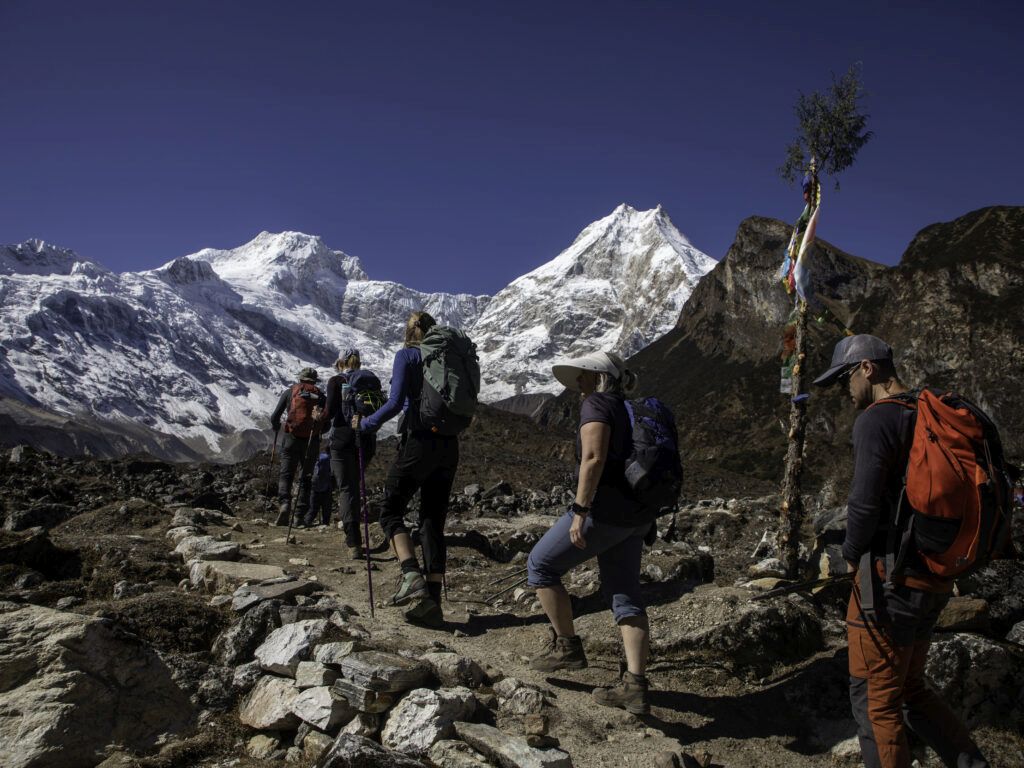
Safety on trekking trips in the Himalayas
Treks in the Himalayas, such as a popular trail to base camps at the foot of Everest or base camp near Annapurna, are relatively easy to get hold of, but still require proper preparation. Key safety considerations that is:
- Gradual acclimatisation – a gradual ascent prevents altitude sickness. The „climb high, sleep low” principle” that is basis safe high-altitude trekking.
- The right kit – comfortable shoes, layered clothing, headlight, first-aid supplies. Equipment list must be adapted to of the season i trekking-style.
- Travel insurance – covering rescue operations i helicopter evacuations. The cost of evacuation may reach tens of thousands of dollars.
- Local guides – know the area well i can help w emergencies. Local experience is invaluable w at critical moments.
- Travelling in a group or with the agency – in some regions, this is recommended, and on on more challenging/protected trails compulsory.
Safety on trekking peaks
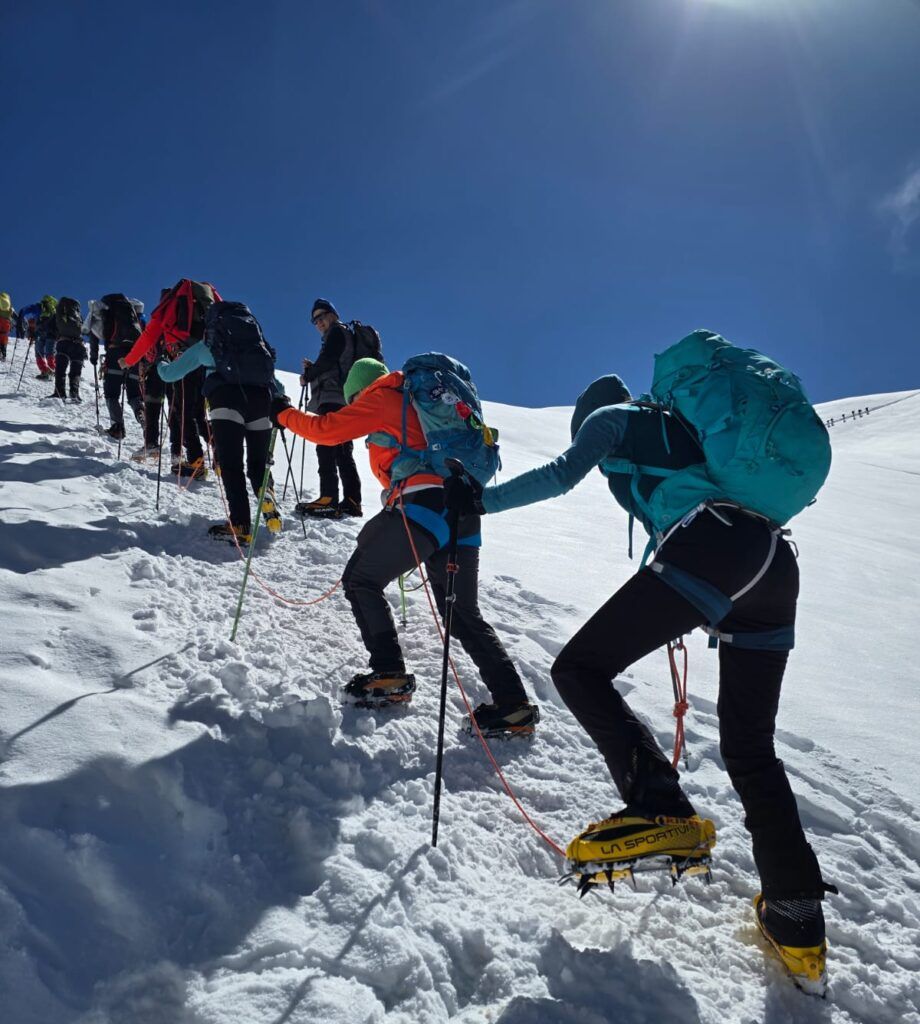
Trekking peaks, such as Island Peak (6,185 m) or Mera Peak (6,475 m), require a little greater technical expertise. In addition to the basic safety rules It is worth bearing in mind that:
- Skills in using climbing equipment – ice axe, crayfish, belay rope – for these people will be our workshops! Safe in the Himalayas!
- Knowledge of belaying techniques – useful in the event that icy or prominent sections of the route. Basic techniques rescue and self-rescue may save a life.
- Monitoring weather conditions – strong winds i snowfall may have a drastic impact on itinerary of the expedition.
- Using professional agencies – in the case of trekking peaks this is recommended, because improves safety.
Safety on high-altitude expeditions
Expeditions on the highest peaks of the Himalayas, such as Everest, Lhotse or Makalu, that is projects demanding in excellent condition, knowledge and organisation. In this case, safety depends on a number of factors:
- Professional preparation – climbing courses, avalanche courses, knowledge of emergency procedures. Years of preparation that is minimum for eight-thousanders.
- Appropriate logistics – organisation of acclimatisation camps, adjusting the pace of the climb. Itinerary must take into account all scenarios.
- Working with experienced agencies – on on expeditions of this kind using a professional agency is compulsory.
- Health monitoring – regular monitoring of oxygen saturation, avoiding symptoms extreme fatigue. Pulse oximeter that is a basic tool on heights.
„Safe in the Himalayas” workshops – practical preparation
Our workshops that is comprehensive preparation to high-altitude expeditions. Under the supervision of PZA instructors i Nimy Sherpa you’ll learn:
- Belay techniques – how to do it safely to move around w over rough terrain
- Equipment operation – crayfish, ice axe, ropes, regulators
- Climbing w mixed terrain – rock, ice, firn
- Acclimatisation strategies – how to prepare your body to heights
- Emergency procedures – first aid on heights
- Planning expeditions – logistics i safety
The courses will be held by experienced instructors z many years’ experience Himalayan.
Who are the workshops aimed at?
The workshops are aimed at To:
- Those planning their first trekking peaks w the Himalayas
- Experienced trekkers who wish to develop technical skills
- Those preparing to high-altitude expeditions
- Everyone who wish to increase safety their expeditions
Does not require to previous experience – programme is customised to various levels level of advancement.
When does registration for the workshops open?
We’ll be opening registration very soon on our training courses and we will launch more initiatives preparatory to trips to the Himalayas. Follow our channels, so that don’t miss out the first appointments!
We are planning various formats:
- Weekend workshops basic
- Intensive courses multi-day
- Specialised training for advanced
- One-to-one training before setting off
Safe in the Himalayas – your investment in safety
Safety in the Himalayas that is priority, regardless of the nature of the trip. Thanks to proper preparation, with the support of experienced guides i possible cooperation with the agency, you can to enjoy to the full an extraordinary adventure, minimising the risk.
It’s worth remembering, that the mountains are for us, but it’s up to us to take the initiative to them from respect and responsibility.
Investment w proper preparation i training that is the best policy on safe i a successful trip w the world’s highest mountains.
You’re welcome to join us on workshops „Safe in the Himalayas„ – Your first step to safe adventures on the rooftops of the world!
Are you ready? on their expedition?
