
Trekking

The Kanchenjunga Circuit – a trek around the third-highest peak in the Himalayas

The Kanchenjunga Circuit – a trek around the world’s third-highest peak. A wild, little-travelled route, two base camps, a full loop and spectacular Himalayan scenery. An expedition for those seeking a true adventure.

Level of difficulty Moderate
Catering Included in the price
Max. height 5,100 m
Number of days 22
Price 2,450 USD
Category and region Trekking / Kanchenjunga
Direction of the expedition

Kanjenjunga, Nepal

Find out more

About the expedition

A wild and breathtaking trekking route in Nepal

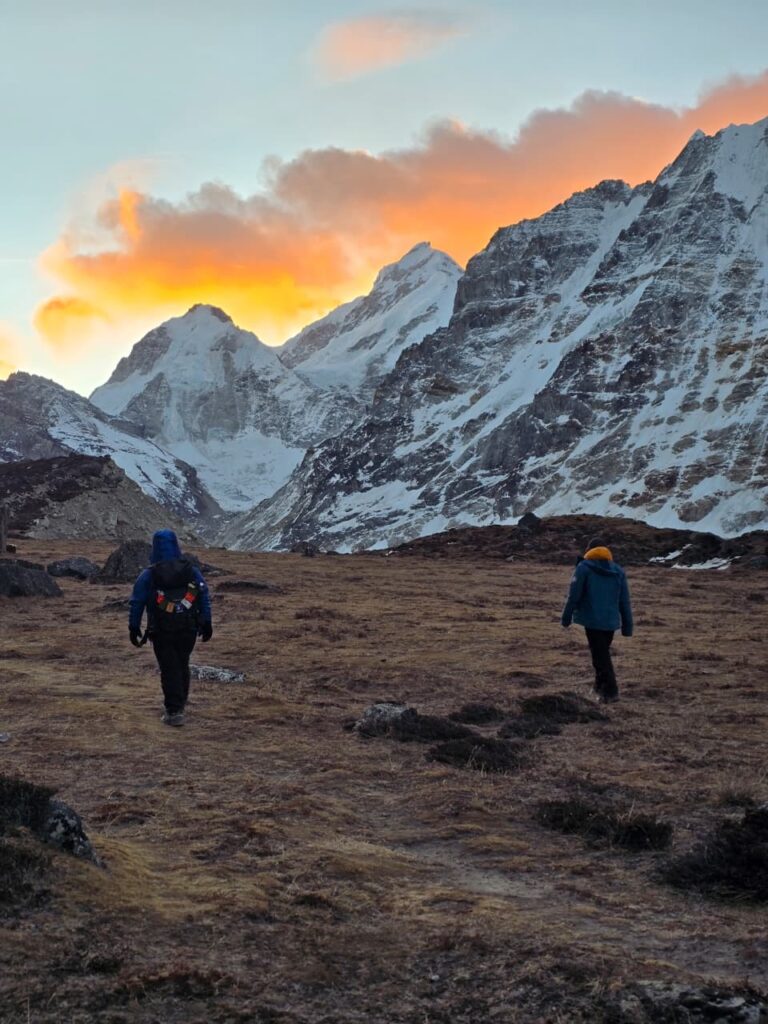
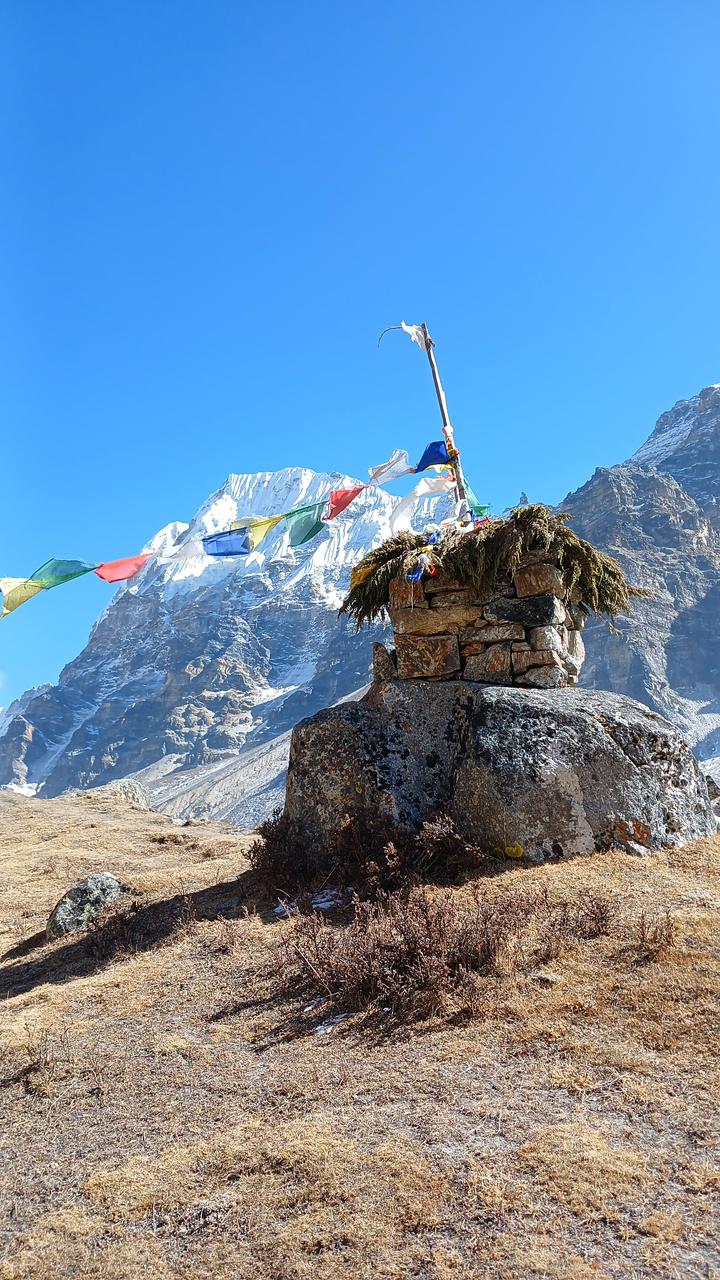
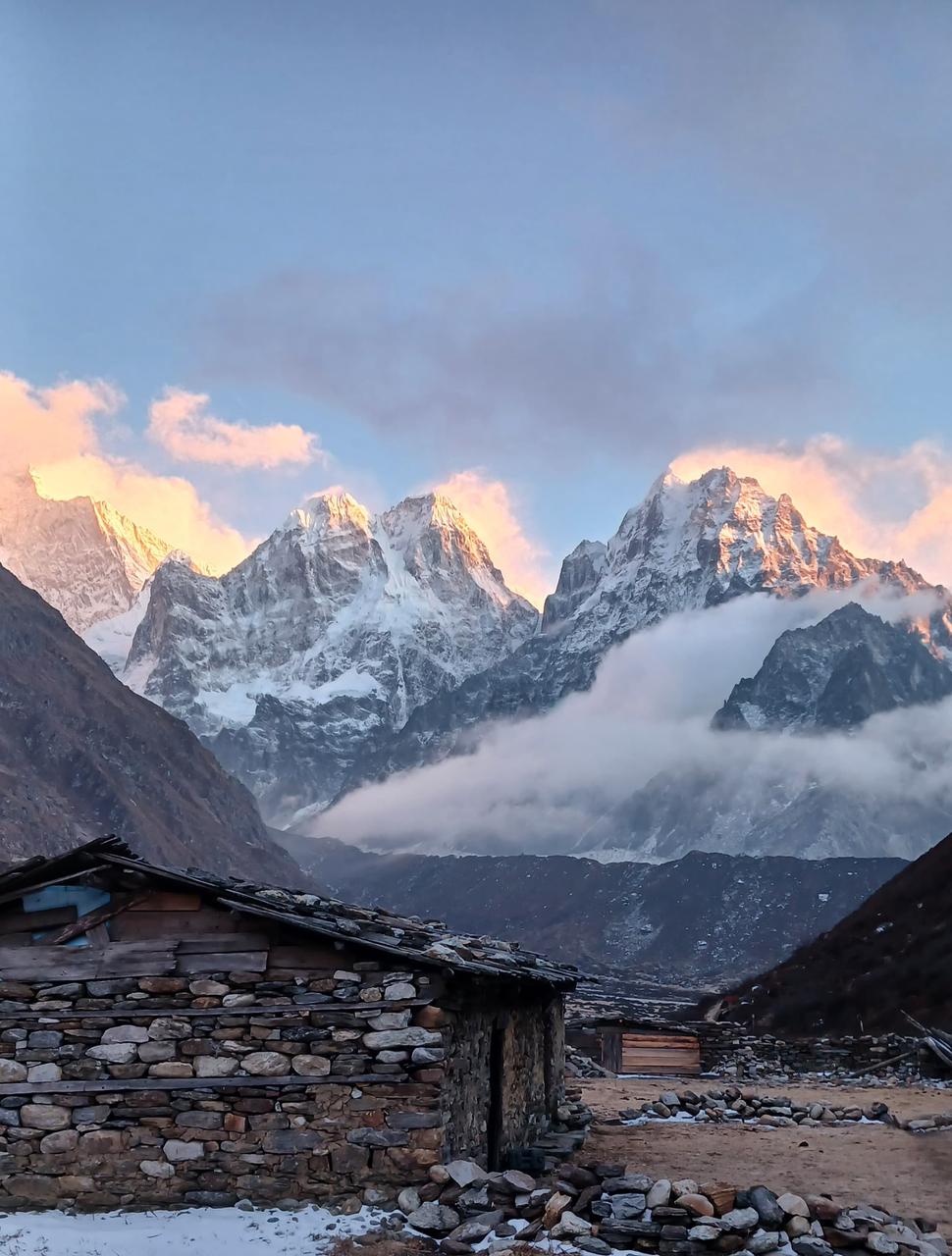
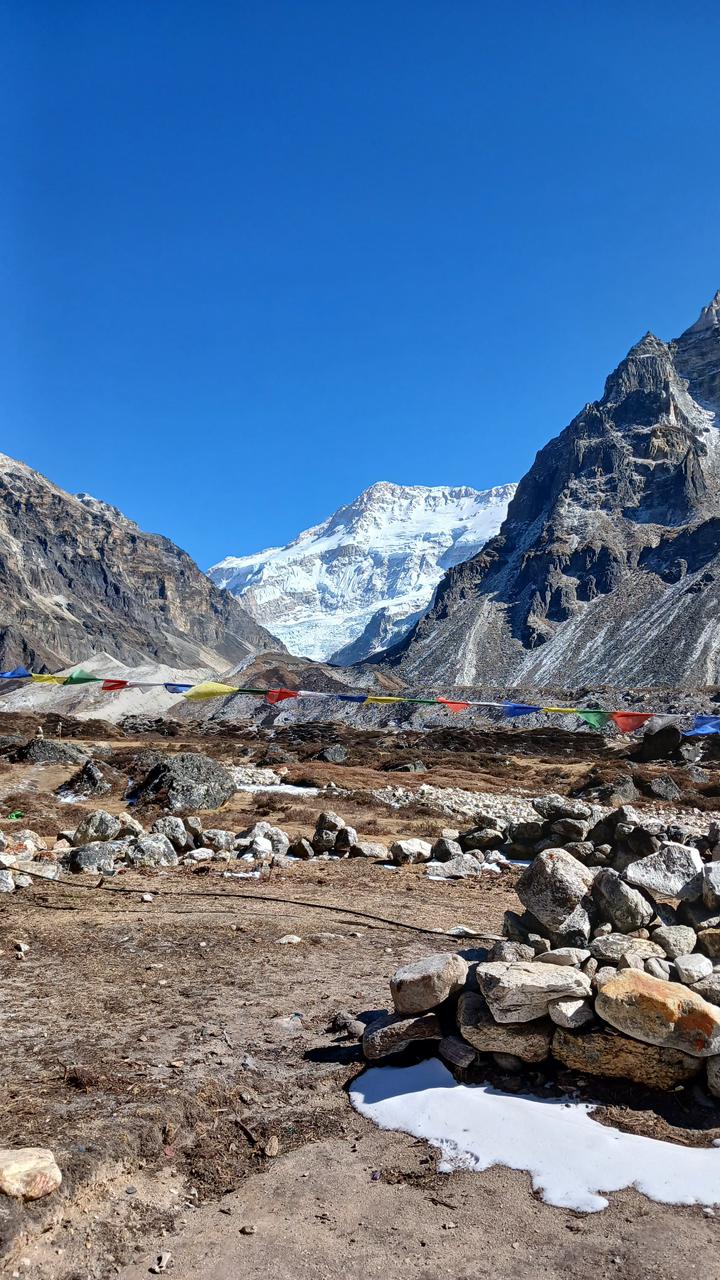
The Kanchenjunga Circuit is one of the last true, unspoilt Himalayan adventures. The trail leads around the world’s third-highest peak – Kanchenjunga (8,586 m), through areas so remote that you’re more likely to encounter wild animals here than other trekkers. This is a trek for those who want to experience the Himalayas just as they used to be – majestic, wild, authentic.

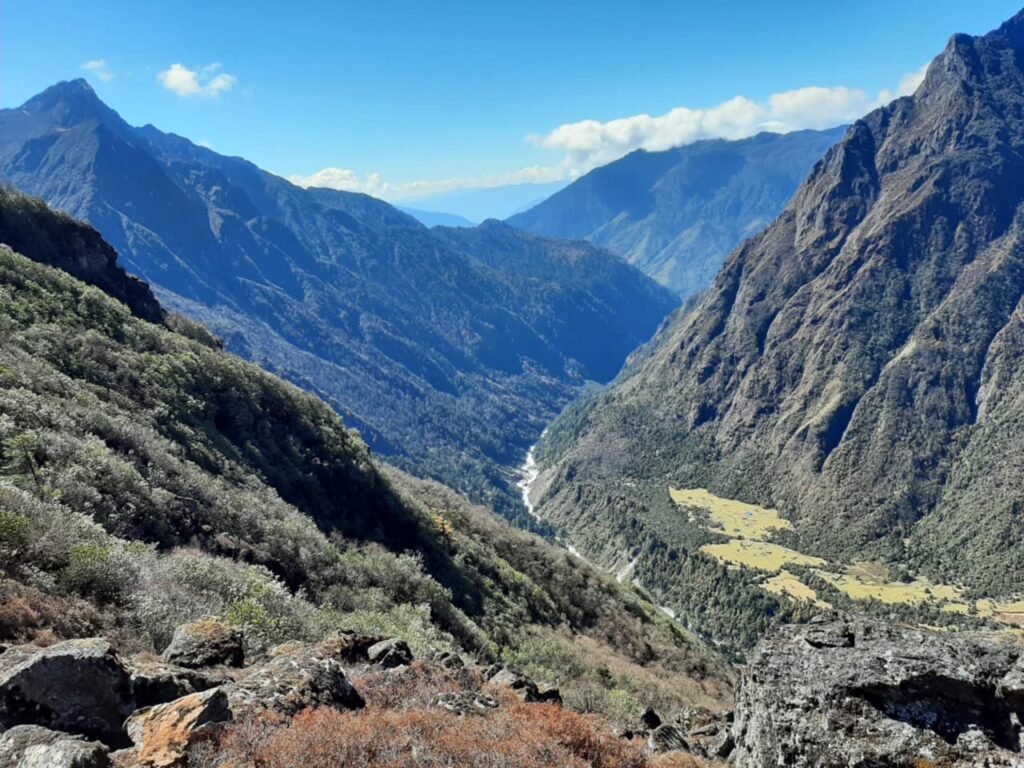
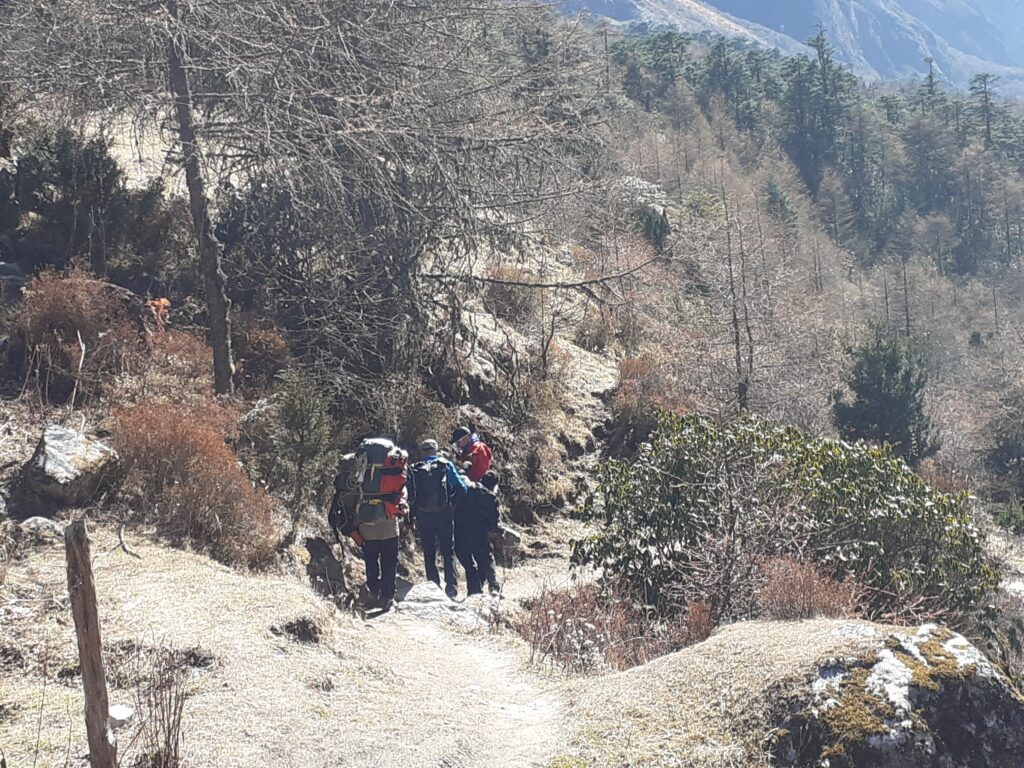
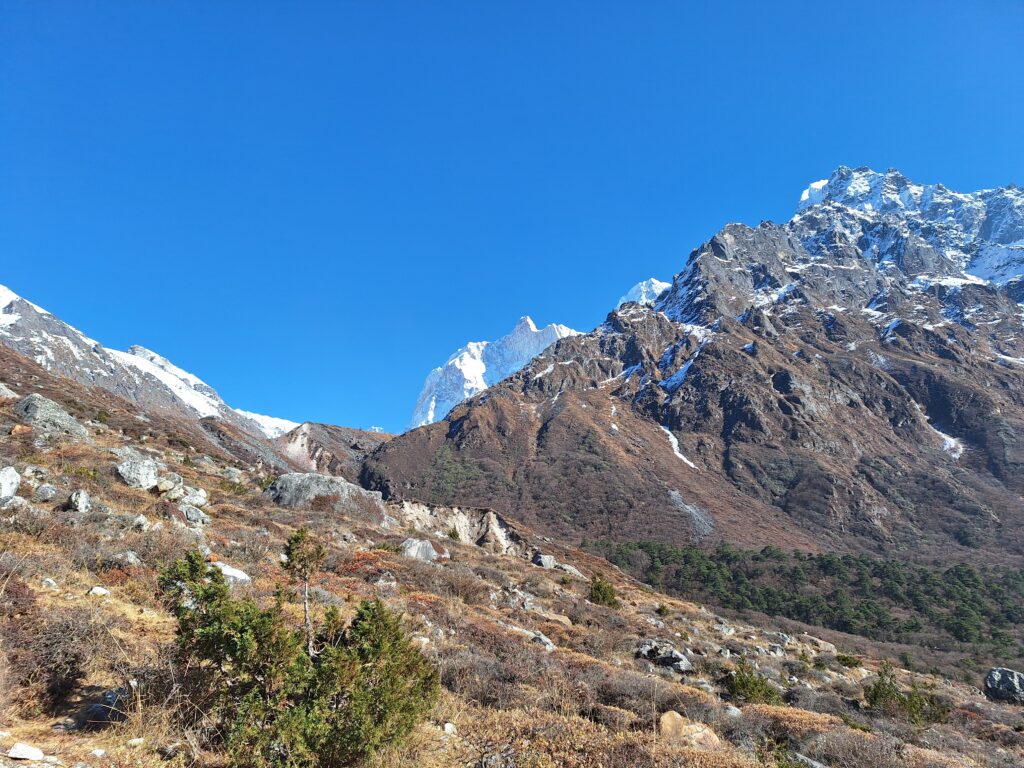
The route winds through spectacularly varied landscapes: from subtropical bamboo and rhododendron forests, through high-altitude valleys inhabited by the Limbu and Rai communities, to the rugged, glacial wastelands at over 5,000 metres above sea level. Every day brings new panoramic views, and the trail forms a complete loop, meaning that you never take the same route back, not even for a single day.
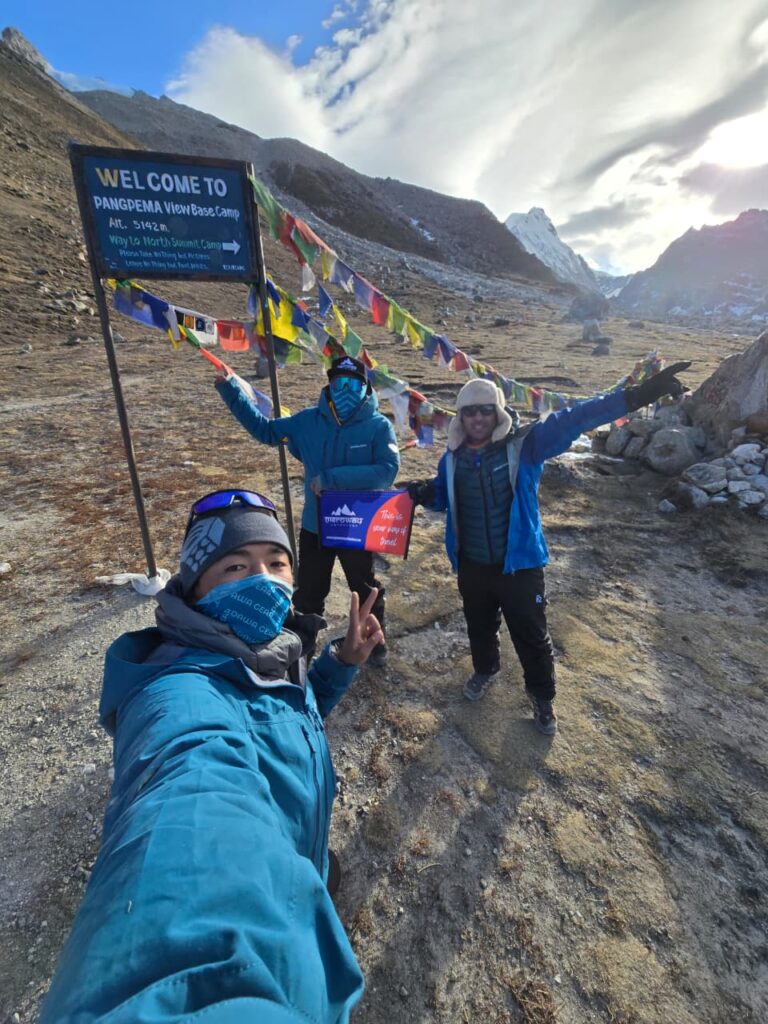
Why is the Kanchenjunga Circuit trek worth choosing?

  1. Two Base Camps – two completely different sides of the Himalayas
    • Most treks lead to a single base camp.
    • Kanchenjunga offers you two — and both completely different:
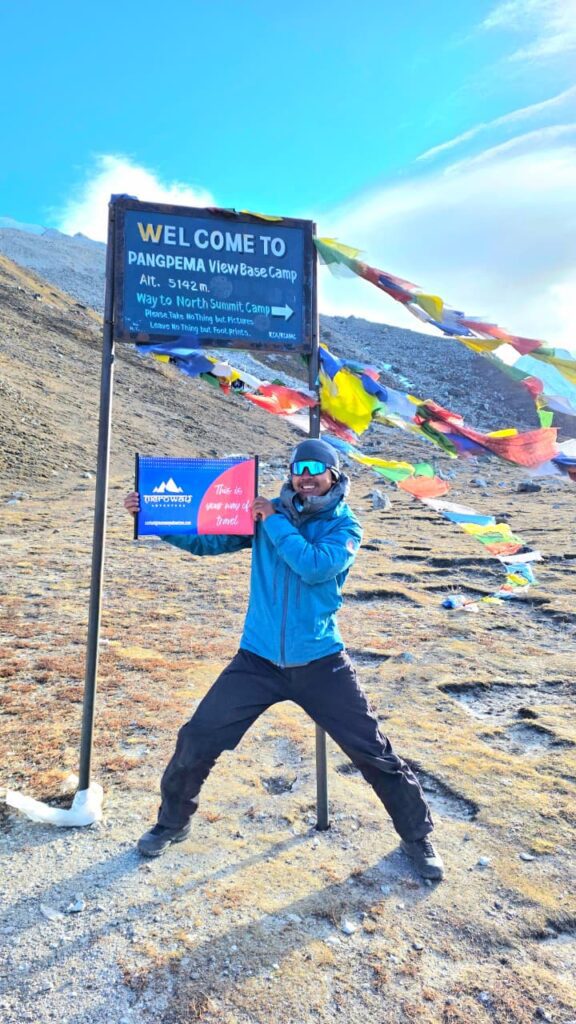
    • Pangpema (5,100 m): the rugged, northern face of the massif, gigantic moraines, wide valleys – the majesty of nature in its purest form.
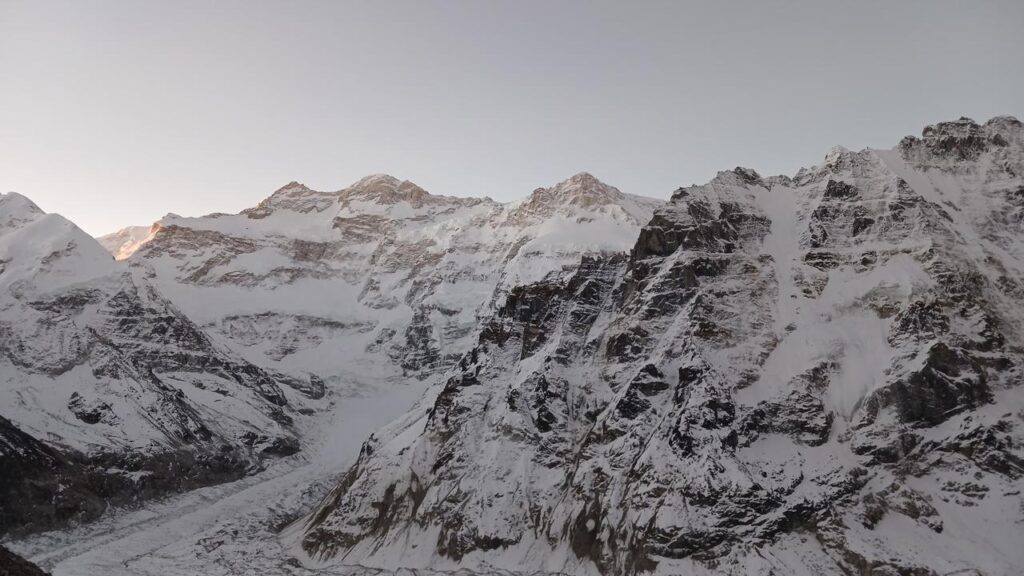
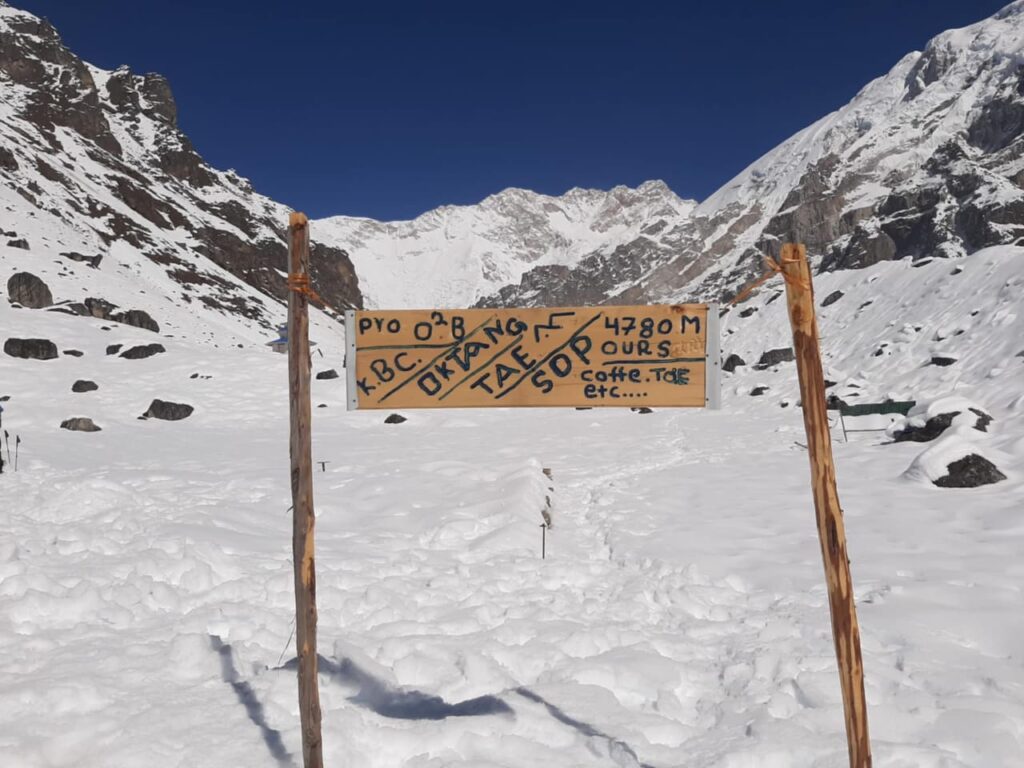
    • Oktang (4,730 m): the south face resembles an ice cathedral — it is a sight that leaves one utterly speechless, and people are often moved by the experience.
    • It’s like two adventures in one – twice the excitement and twice the „wow” factor.
  2. Authentic, still relatively unvisited regions of Nepal
    • Most Himalayan routes have become popular… but not Kanchenjunga.
      You can still feel it here a real expedition, rather than commercial trekking. For many days, you’ll be hiking through places where there are no crowds, no hustle and bustle of lodges, and no queues on the trail — instead, there’s space, silence and monumental mountains. It’s an experience that cannot be compared to Everest or Annapurna.
  3. An exceptional diversity of nature
    • No other trail offers such a wide range:
    • tropical forests and bamboo tunnels,
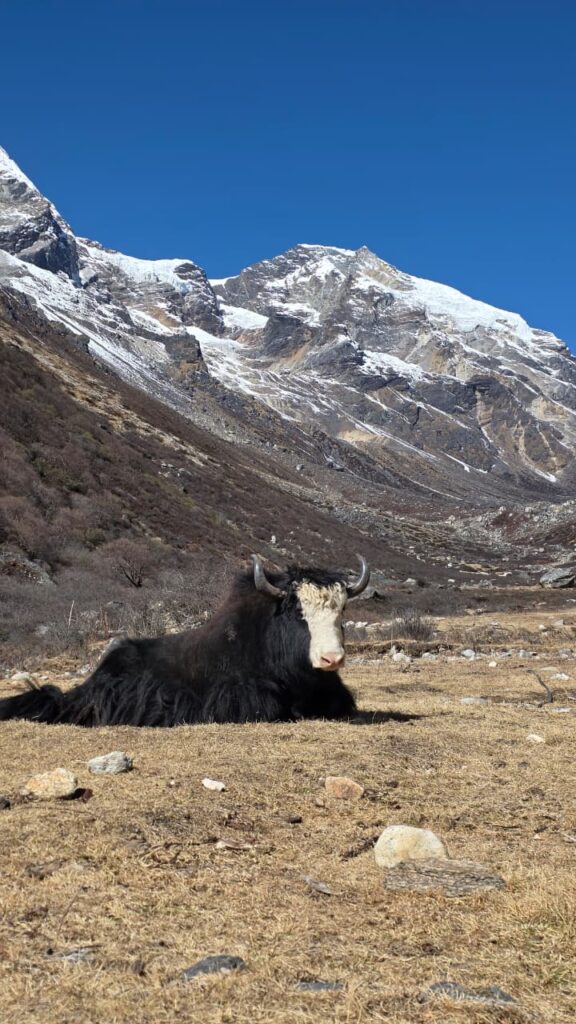
    • Alpine meadows and yak pastures,
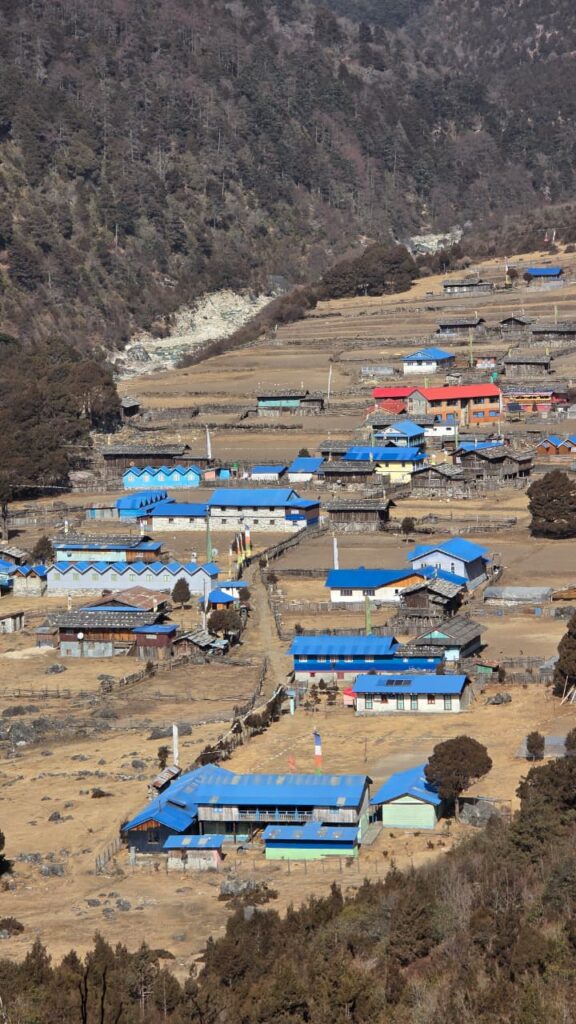
    • stone villages of the Limbu, Rai and Tibetan cultures,
    • valleys surrounded by seven-thousand-metre peaks,
    • high-altitude wilderness areas above 5,000 metres,
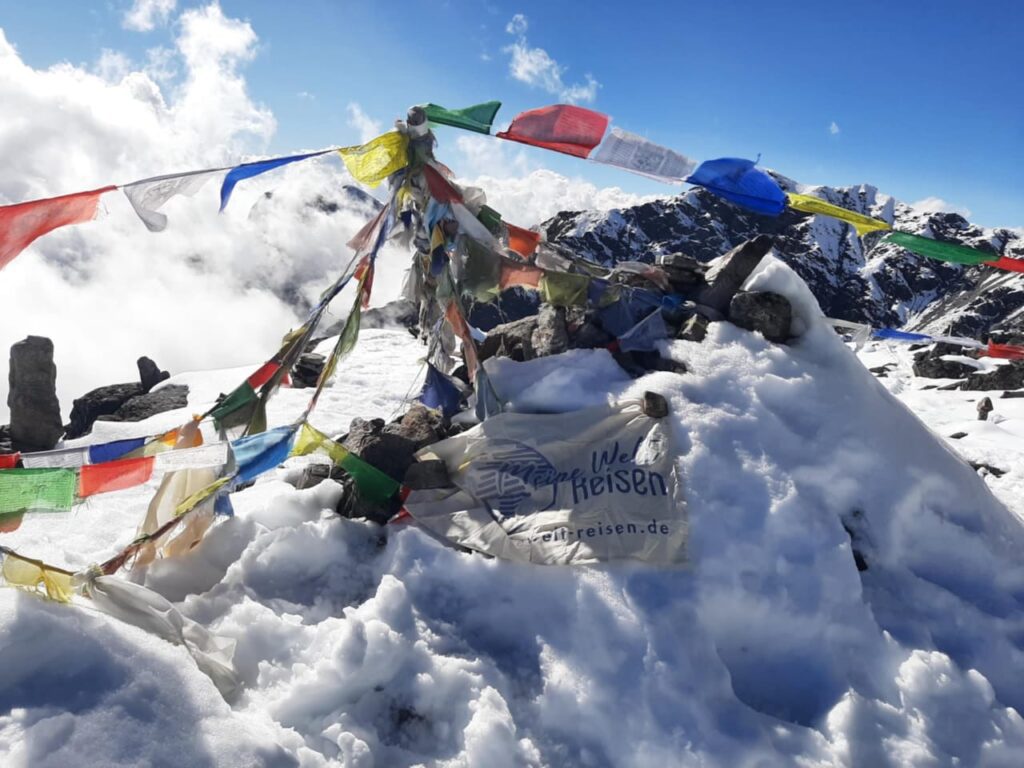
    • mountain passes with 360° views.
    • It’s like a journey through several climate zones, cultures and worlds in a single trip.
  4. The full loop – new views every day
    • This route takes you on a complete circuit of the Kanchenjunga massif. This means there’s no monotony and you constantly feel as though you’re discovering new terrain. With every step, you’re closer to the next stage, and the views change like a kaleidoscope.
  5. A challenge that brings immense satisfaction
    • This trek is for those in good physical condition – long days on the trail, significant elevation gains and overnight stays in high-altitude villages make this a challenging but incredibly rewarding expedition. This route is not „commercial” – it is a genuine, authentic mountain expedition in the Himalayas that will stay with you for a lifetime.
    • The villages in this part of Nepal aren’t geared towards tourists.
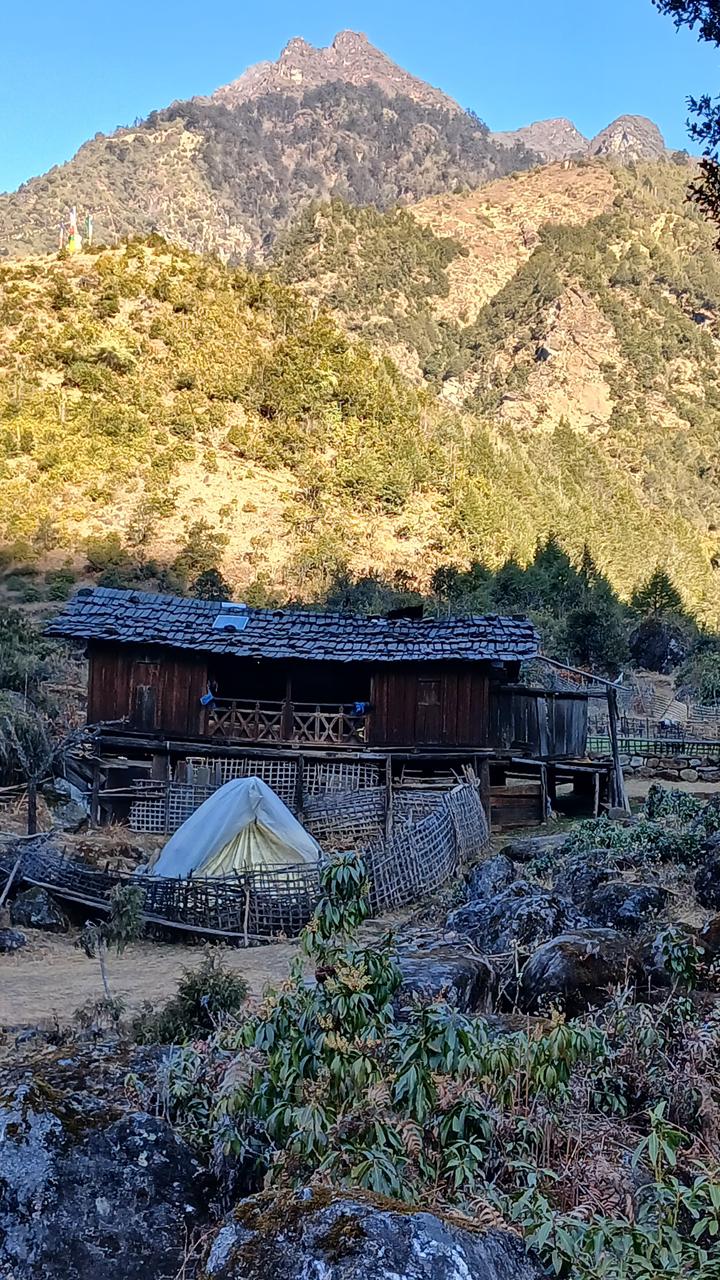
    • People here live just as they always have — in stone houses, with wooden mills, Buddhist monasteries and traditions that are already disappearing in other regions.
    • Participants often describe their encounters with local people as one of the most memorable experiences of the trip.
  6. The most authentic encounters with local culture.
    • The villages in this part of Nepal are not „geared towards tourists”. People here live as they always have — in stone houses, with wooden water mills, Buddhist monasteries and traditions that are already disappearing in other regions. Participants often recall their encounters with the locals as one of the most memorable experiences of the trip.
What makes this trip even more special?
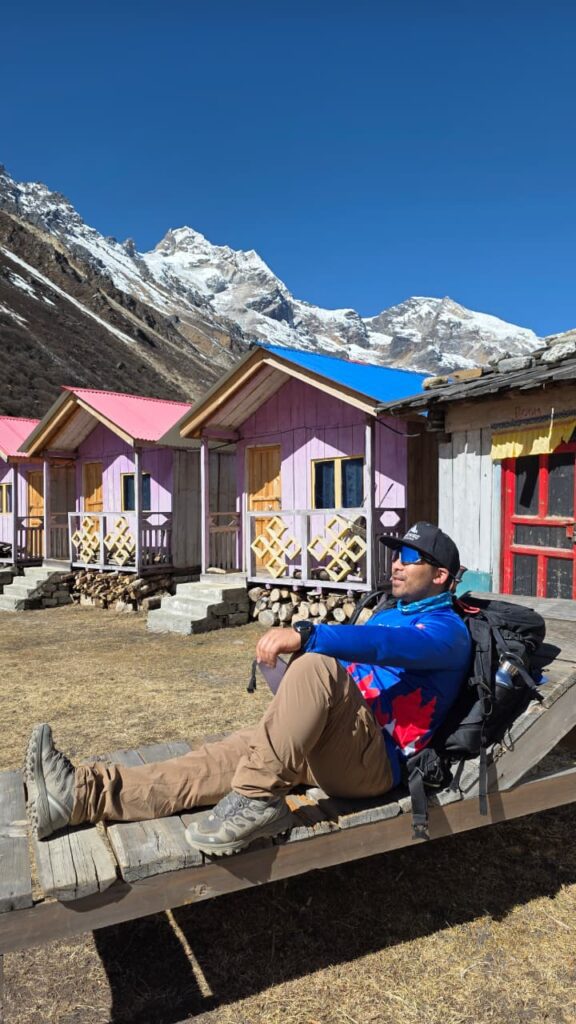
  • Experienced, licensed guides from Nepal
    They know the Kanchenjunga route like the back of their hand, guiding us safely and at a steady pace.
  • A well-planned acclimatisation programme
    A programme based on the „climb higher, sleep lower” principle + a reserve day – minimising the risk of altitude sickness.
  • Comprehensive logistics support from start to finish
    Domestic flights, transport by jeep, permits, accommodation, meals in the mountains – everything is organised and tried and tested.
  • Intimate groups
    Tours for 4–12 people ensure better support, greater safety and a relaxed atmosphere on the trail.
  • Satellite phone and rescue insurance
    Safety even in the most remote region of Nepal...
  • Full board during the trek
    Breakfasts, lunches and dinners + drinks with meals — comfort in the challenging conditions of high-altitude mountain environments.
  • And… much more – you can read about the scope of services in the „Included in the price” tab”

Who is this trip for?

  • for people who are fit and looking for a more challenging trek.
  • for those looking for wild areas rather than the more popular, crowded routes,
  • for those who dream of a truly authentic and rather rugged journey, rather than a comfortable, tourist-friendly trek,
  • for travellers who value cultural authenticity and peace and quiet on the trail,
  • for people who want to test their fear of heights in safe conditions.

Programme at a glance

  • Kathmandu → Eastern Nepal → Start of the trail – Arrival in Kathmandu, a domestic flight to Bhadrapur and a jeep transfer to the picturesque, remote regions of eastern Nepal. Immersion in the local Limbu and Rai cultures, first nights’ accommodation in mountain villages, and preparation for trekking in one of the least-visited regions of the Himalayas.
  • Entering the northern valley – wild forests, gorges and our first experiences of acclimatisation – A gradual ascent through bamboo and rhododendron forests to Tibetan villages such as Ghunsa. This is a phase of intensive acclimatisation, offering the first views of the high peaks and marking the entry into a completely different, harsher world of the Himalayas.
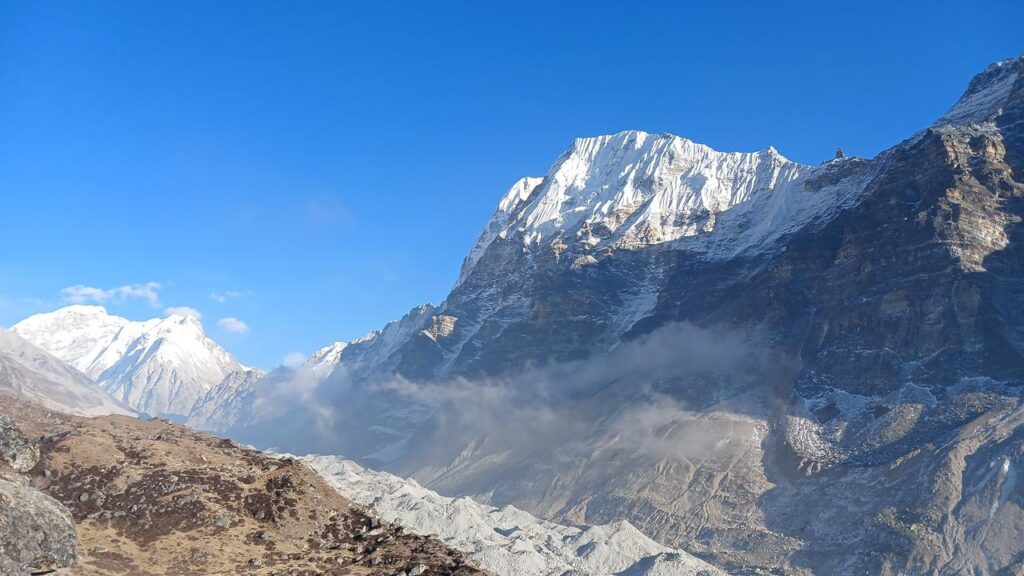
  • The approach to the north face – Khambachen, Lhonak and Pangpema (5,100 m) – An iconic section of the trek. Rugged landscapes, glacial moraines and increasingly spectacular panoramic views, right up to Pangpema Base Camp, where the Kanchenjunga massif stretches as far as the eye can see. This is the highest point of the entire trek and one of the most beautiful places in the Himalayas.
  • Return to Ghuns and the Selele Pass – crossing to the southern side of the massif – Descent to Ghuns, followed by the ascent to Selele High Camp. Crossing the Selele Pass (approx. 4,480 m) is a truly special moment – you find yourself on a completely different side of the massif, and the landscape changes as if a page had been turned.
  • The southern section of the loop – Ramche and the iconic Oktang pass (4,730 m) – The second highlight of the whole trek: approach to Oktang, which offers the most majestic view of the south face of Kanchenjunga and the cascading glaciers flowing down from the eight-thousander. It is a different perspective to that from Pangpema – more monumental, rugged, and full of the dynamism of ice and rock.
  • Return via the Limbu valleys – descent to Yamphudin and return to Kathmandu – A gradual descent to lower altitudes, through villages, cultivated terraces and wild rhododendron forests. The final days are a celebration of completing the full Kanchenjunga loop – a route that only a handful of trekkers manage to complete each year. This is followed by a jeep transfer to Illam/Fiddim, a flight to Kathmandu and a farewell dinner.

Are you ready for one of the most beautiful and wildest adventures in the Himalayas?

The Kanchenjunga Circuit is a trek that stays with you for years to come — full of untamed nature, excitement, the silence of the mountains and the feeling that you’re doing something truly special. If you dream of trekking off the beaten track, away from the crowds, surrounded by mighty eight-thousanders, this route will fulfil all your expectations.

Do you have any questions about the programme, how to prepare, or the level of difficulty?
Get in touch — we’d be happy to advise you and help you decide whether this is the perfect trip for you.

The participants on our trips really appreciate our authenticity and the care we show for each and every one of them!
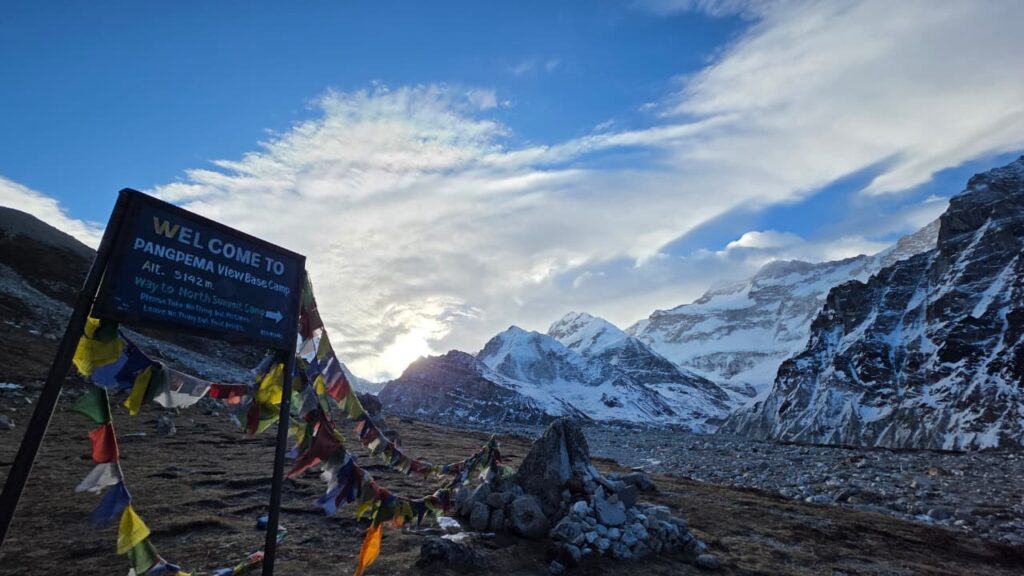
Kangchenjunga base camp

Our expeditions are more than just tourism – they are profound experiences that change your perspective. Join the ranks of people who are discovering the world in a unique way.
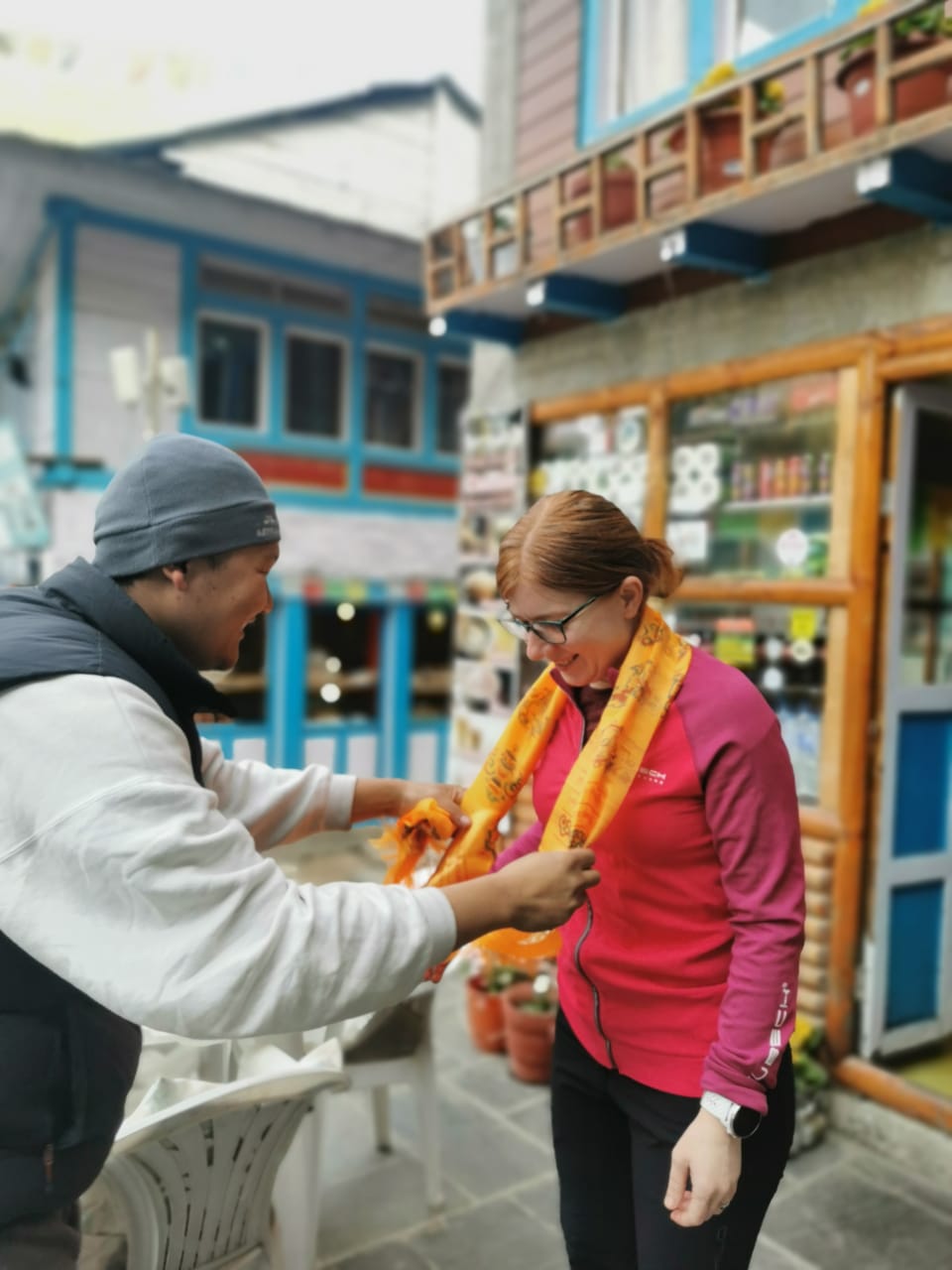
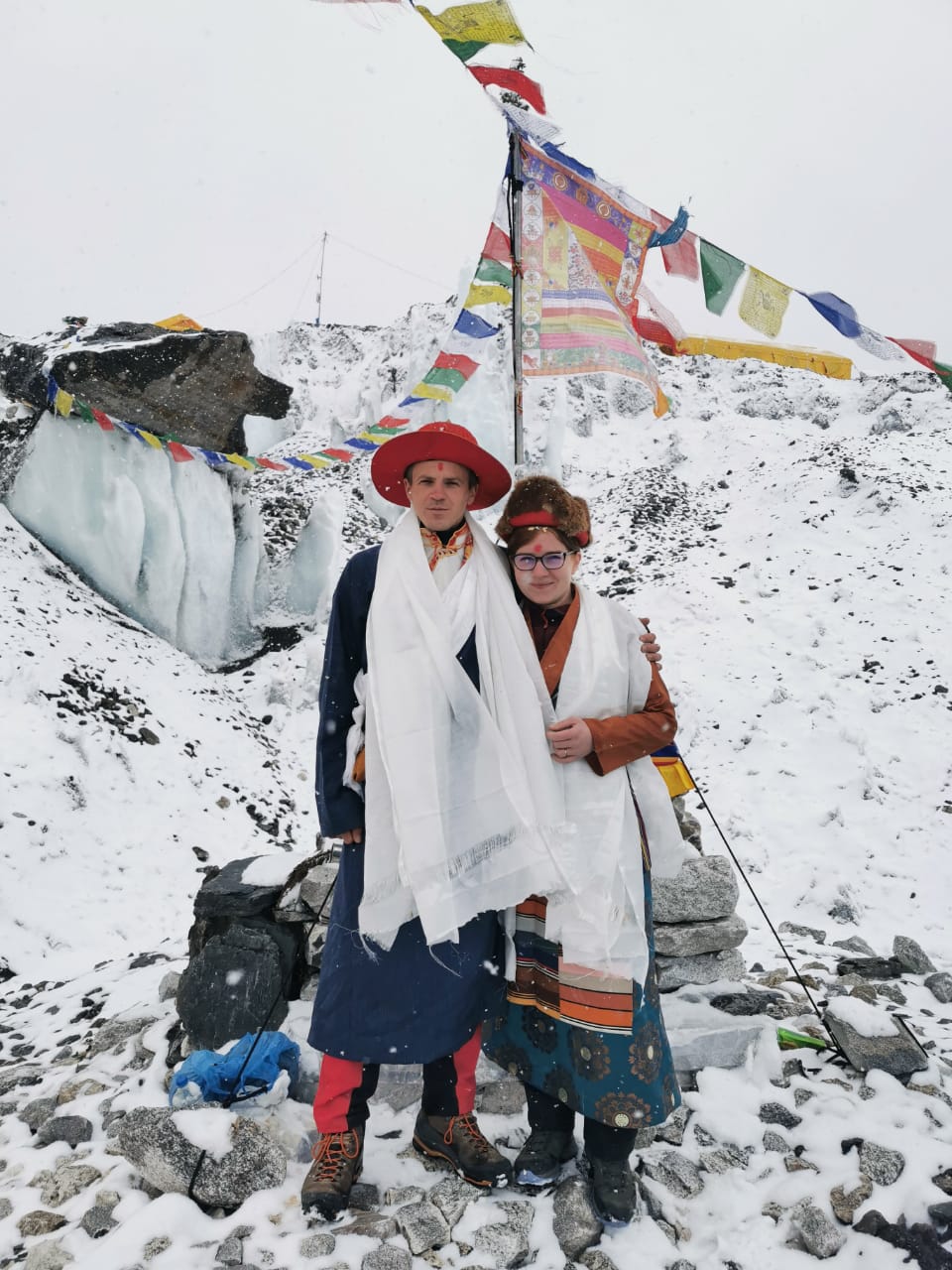
Take the first step towards your Himalayan adventure.
Join the Kanchenjunga Circuit trek.✨

Plan and benefits

Expedition programme

The price does not include any hidden costs. This offer has been designed to provide a comprehensive service; we have put it together based on our experience and the preferences of our existing customers. Please see the details of the offer below.

01

Detailed programme

  • Day 1 – Arrival in Kathmandu
    • Arrival in Nepal, transfer to the hotel, time to rest and prepare for the trek.
  • Day 2 – Kathmandu → Bhadrapur → Sekathum
    • A flight to eastern Nepal, followed by a full-day jeep journey through tea plantations and mountainous regions to Sekathum.
  • Day 3 – Sekathum → Amjilosa
    • The first day of trekking along the Ghunsa Khola River, through forests, over bridges and through picturesque gorges.
  • Day 4 – Amjilosa → Gyabla
    • A shorter but strenuous trek through steep ascents and deep forest valleys to the small hamlet of Gyabla.
  • Day 5 – Gyabla → Ghunsa
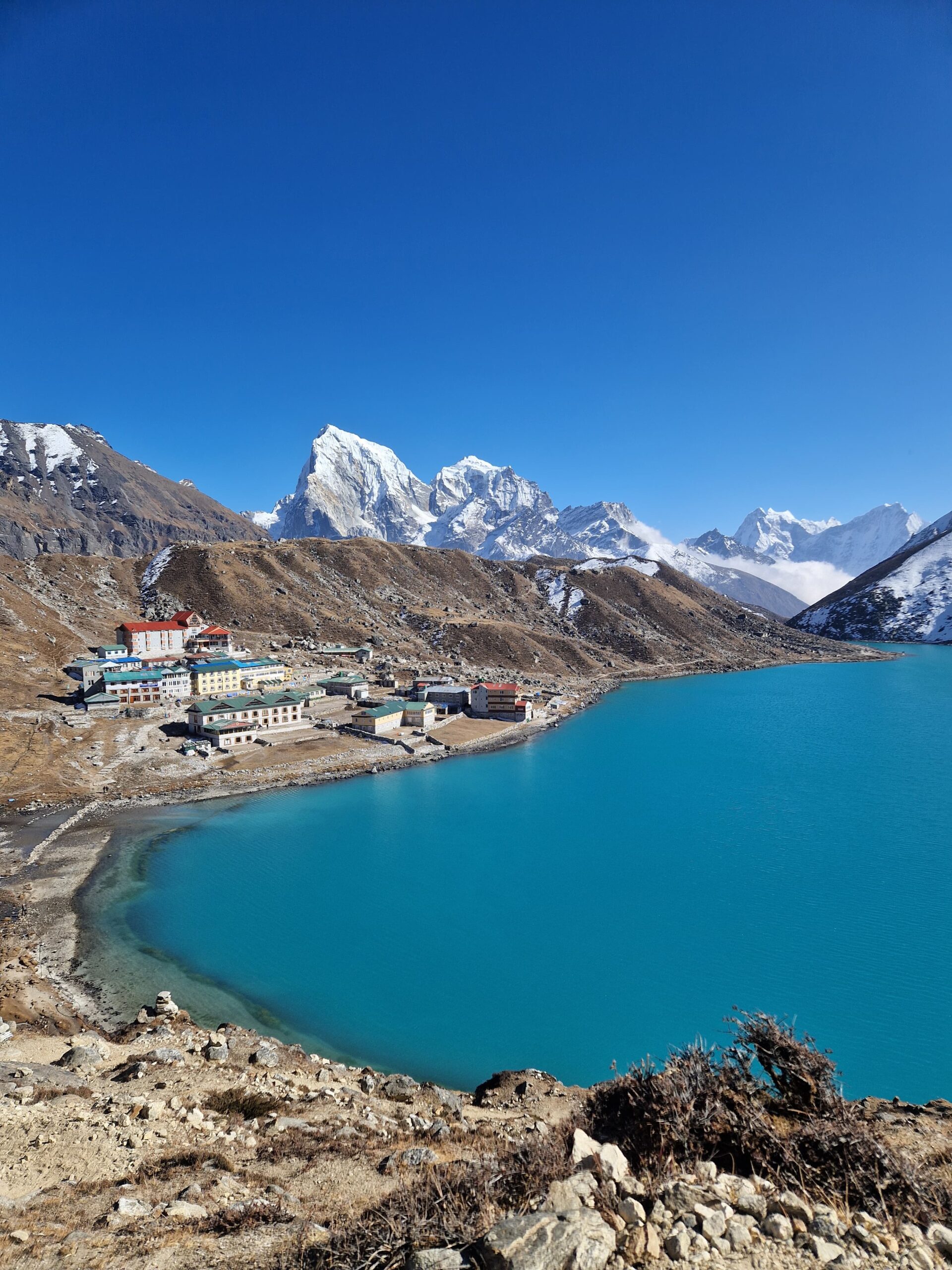
    • The entrance to the Tibetan part of the region. Ghunsa is a larger village with a monastery and distinctive architecture.
  • Day 6 – Acclimatisation in Ghunsa
    • A day of rest and acclimatisation. A short acclimatisation walk in the local area and a visit to the monastery.
  • Day 7 – Ghunsa → Khambachen
    • The ascent to higher ground – rugged landscapes, yak pastures and the first magnificent views of Jannu Peak (7,710 m).
  • Day 8 – Khambachen → Lhonak
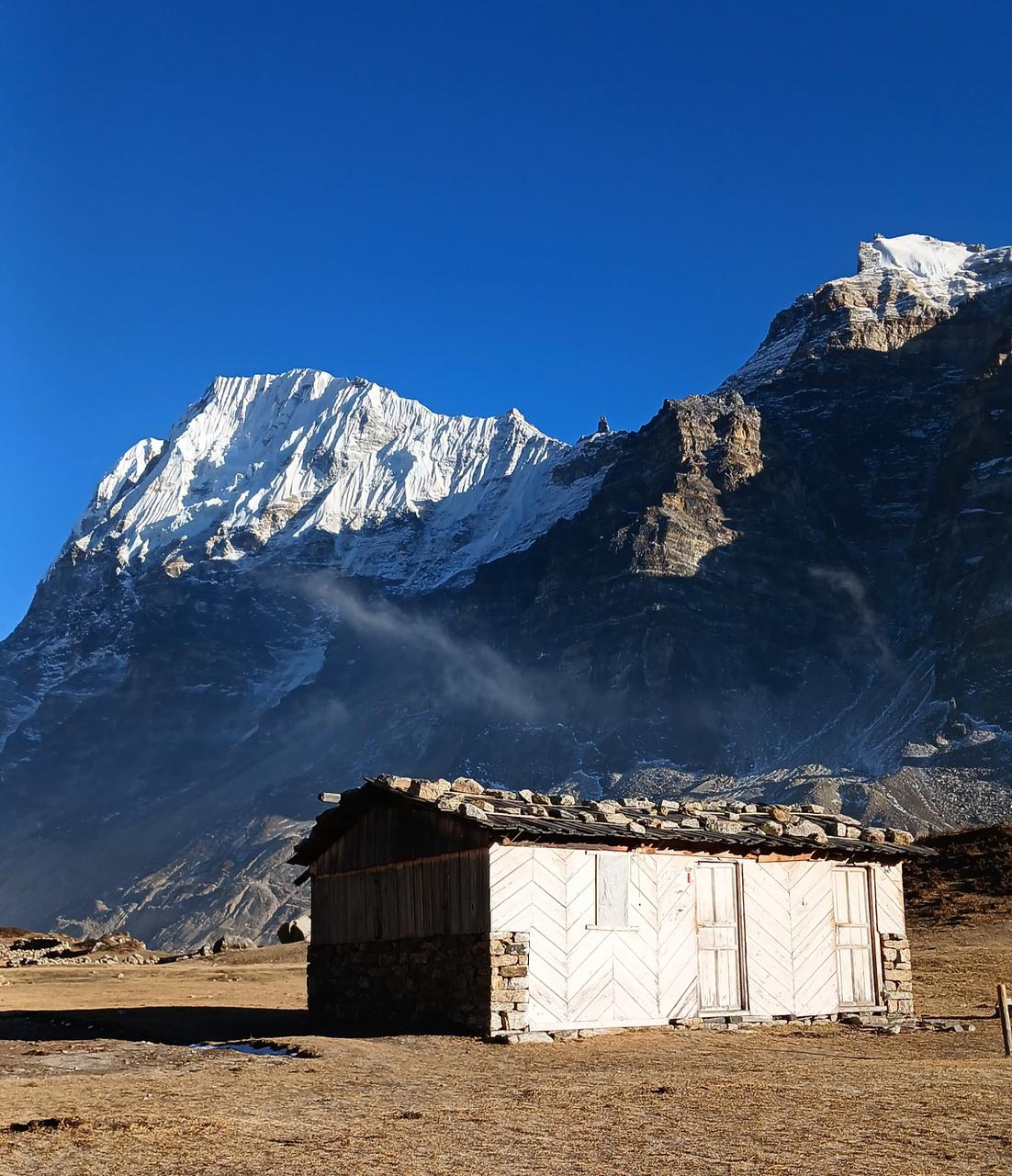
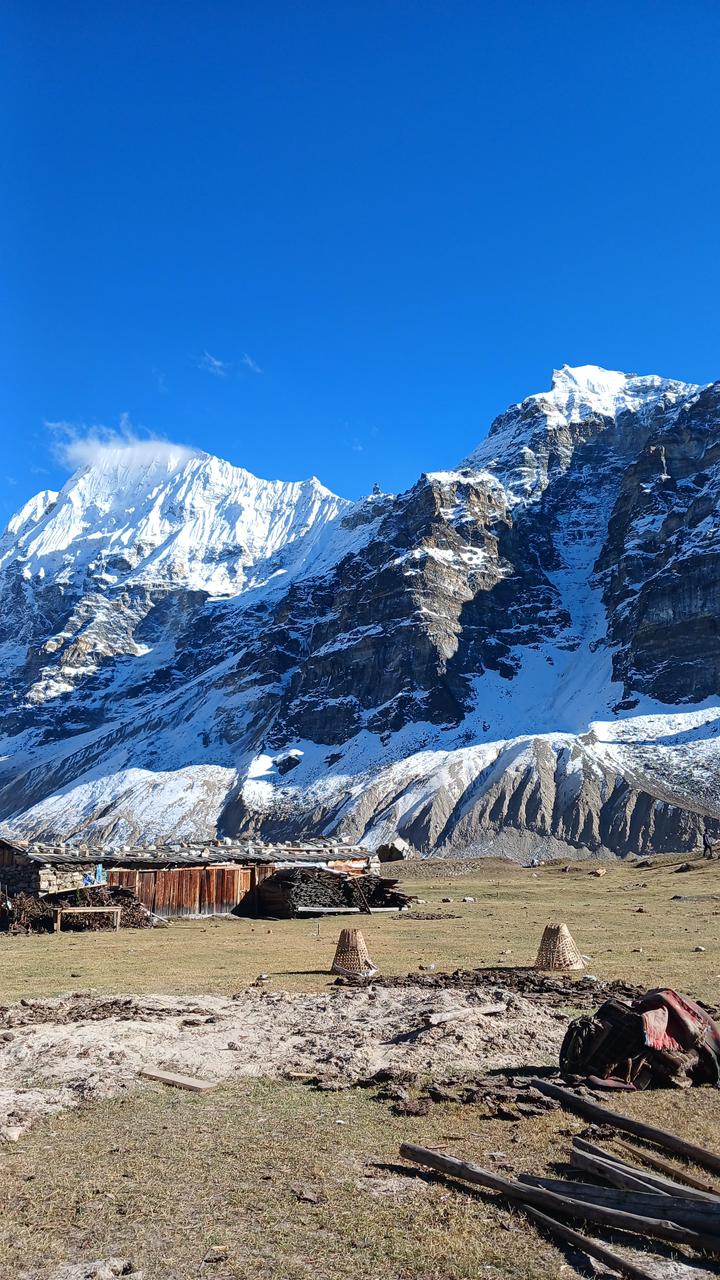
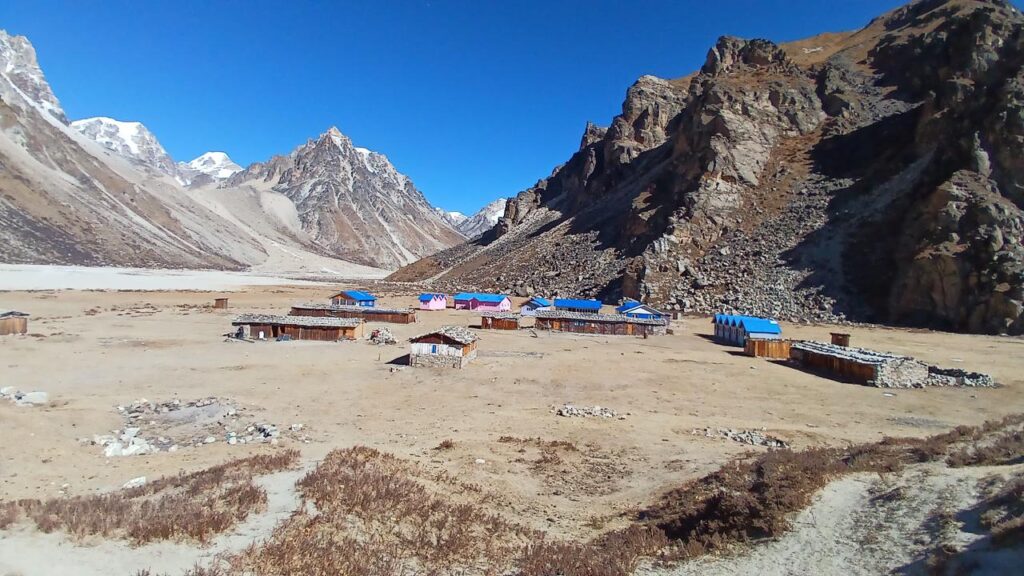
    • A trek along a glacial moraine, through increasingly high-altitude terrain. Lhonak is a spartan village offering exceptional views.
  • Day 9 – Lhonak → Pangpema Base Camp → Lhonak
    • The highlight of the northern section – the approach to Pangpema BC (5,100 m) with a magnificent panoramic view of Kanchenjunga. Return to Lhonak.
  • Day 10 – Reserve day / rest day in Lhonak
    • The option to set off again if the weather is good, or to rest before the descent.
  • Day 11 – Lhonak → Ghunsa
    • Descending through the same valley, but from a completely new perspective. Returning to the forests and a warmer climate.
  • Day 12 – Ghunsa → Selele High Camp
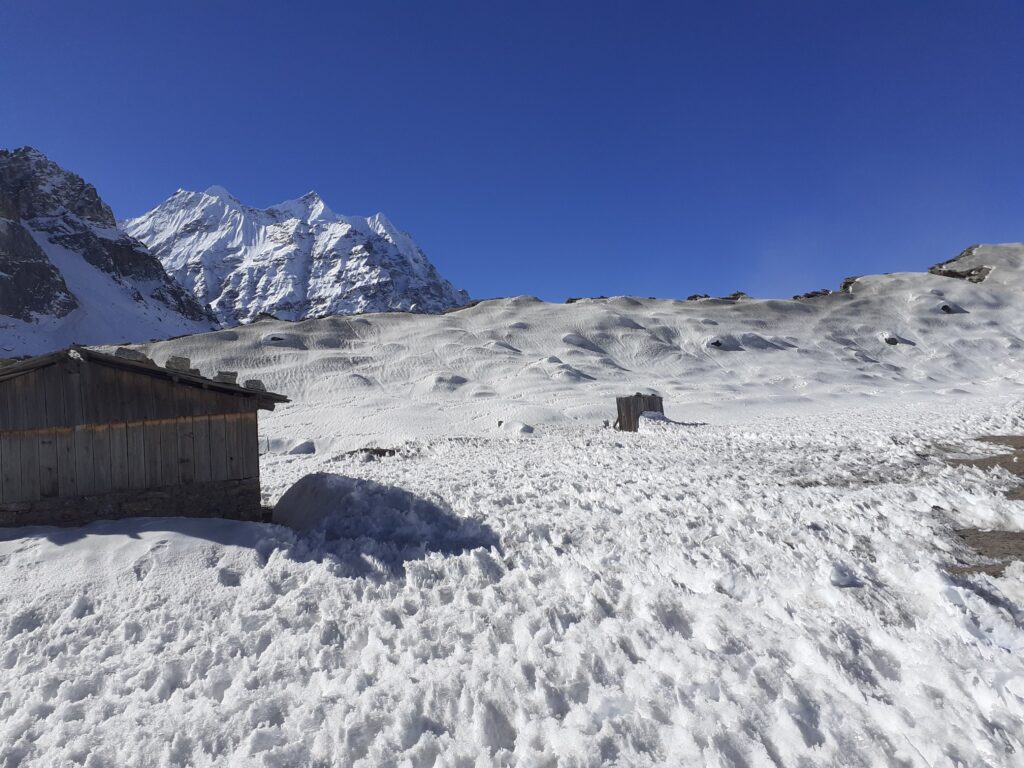
    • A steep ascent through rhododendron forests, emerging above the tree line to reach the high-altitude base camp below the pass.
  • Day 13 – Selele High Camp → Tseram
    • Crossing the Selele Pass (approx. 4,480 m) and descending the southern slope of Kanchenjunga to Tseram.
  • Day 14 – Tseram → Ramche
    • A short, high-altitude ascent towards the south face of Kanchenjunga. Overnight stay in Ramche.
  • Day 15 – Ramche → Oktang Base Camp → Tseram
    • The second key ascent – the approach to Oktang BC (4,730 m), offering a spectacular view of the massif’s south face.
  • Day 16 – Tseram → Tortong
    • Descending to the lower slopes – bamboo forests, rhododendrons and peaceful valleys.
  • Day 17 – Tortong → Naya Jhareni
    • The trek continues through Limbu villages, over bridges and across terraced fields. An evening meal to celebrate the completion of the most challenging part of the trek.
  • Day 18 – Naya Jhareni → Yamphudin
    • The final day of trekking through valleys and rice fields to a larger village – Yamphudin.
  • Day 19 – Yamphudin → Fiddim / Ilam (journey)
    • A full-day jeep tour through the mountains and tea plantations to one of the towns in the Ilam region.
  • Day 20 – Fiddim/Ilam → Bhadrapur → Kathmandu
    • Transfer to Bhadrapur, return flight to Kathmandu, farewell dinner.
  • Day 21 – Kathmandu
    • Free time, relaxation or shopping in Thamel. For those who are interested – a tour of Kathmandu or Bhaktapur.
  • Day 22 – Return home
    • Transfer to the airport and departure for Poland.
Included in the price
  • Accommodation in Nepal
    • 3★ hotel in Kathmandu with breakfast (standard twin rooms)
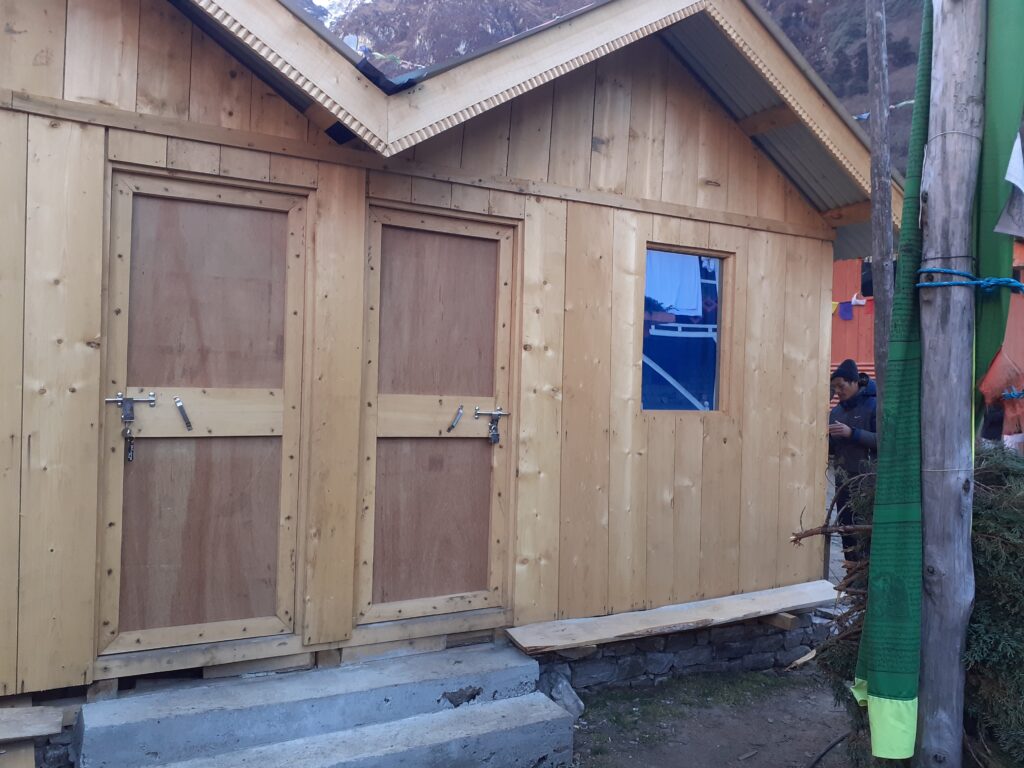
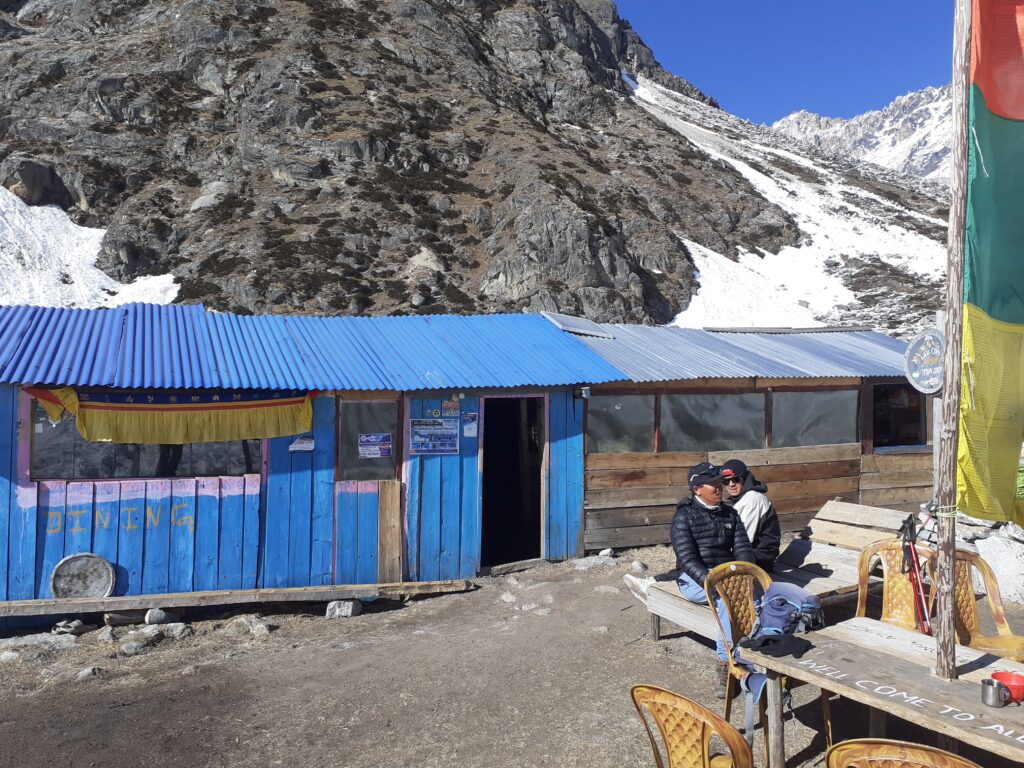
    • accommodation in mountain guesthouses whilst trekking
  • Meroway, an experienced Nepalese mountain guide
    • qualified, English-speaking, with meals, accommodation and insurance included in the price
  • Porters’ service
    • luggage transport en route, insurance, accommodation and meals for the porter
  • Full board during the trek
    • breakfast + lunch + dinner every day on the trail – a choice from the menu according to the participant’s preferences
    • hot drinks to accompany meals (coffee, tea, water)
    • breakfasts in Kathmandu
  • Transport as per the programme
    • domestic flights Kathmandu–Bhadrapur–Kathmandu
    • jeep transport to and from the trail
    • all journeys listed in the itinerary, including airport transfers
  • All necessary permits
    • trekking permits in the Kanchenjunga region
    • TIMS (Trekkers Information Management System) card
  • Travel insurance (TU EUROPA)
    • Third-party liability and comprehensive cover
    • emergency insurance covering possible evacuation by helicopter
  • Safety and medical support
    • travel first-aid kit
    • arranging medical assistance and transport where necessary
  • Emergency communications
    • a satellite phone ensuring communication in remote valleys
  • Taxes and compulsory charges
    • local and central government taxes in Nepal
    • contributions to the Tourist Guarantee and Assistance Fund in Poland
  • Extras for participants
    • free hire of a Meroway expedition bag
    • expedition T-shirt
Choose a date that suits you

Timing of expeditions

Ask for another date
Participants’ experiences

Opinions

Find out how participants rate the organisation, safety and support during the expeditions.

Do you have any questions?

Enquire about an expedition

Please let us know which date you’re interested in. We’ll answer any questions you may have about preparation, the programme, facilities and availability.

Next available date 25.10.2026 – 15.11.2026
Contact form