

In this article, we’ll tell you what physical preparation for Everest Base Camp involves
Trekking to Everest Base Camp is a dream for many people – but it’s no ordinary walk in the park. A dozen or so days of walking, significant elevation gain, low oxygen levels and changeable weather conditions place far greater demands on the body than classic mountain treks in Europe. That is why proper physical preparation is one of the most important factors in determining whether the journey to Everest Base Camp (EBC) will be a wonderful adventure or a series of exhausting experiences fraught with the risk of injury.
Why is preparation so important?
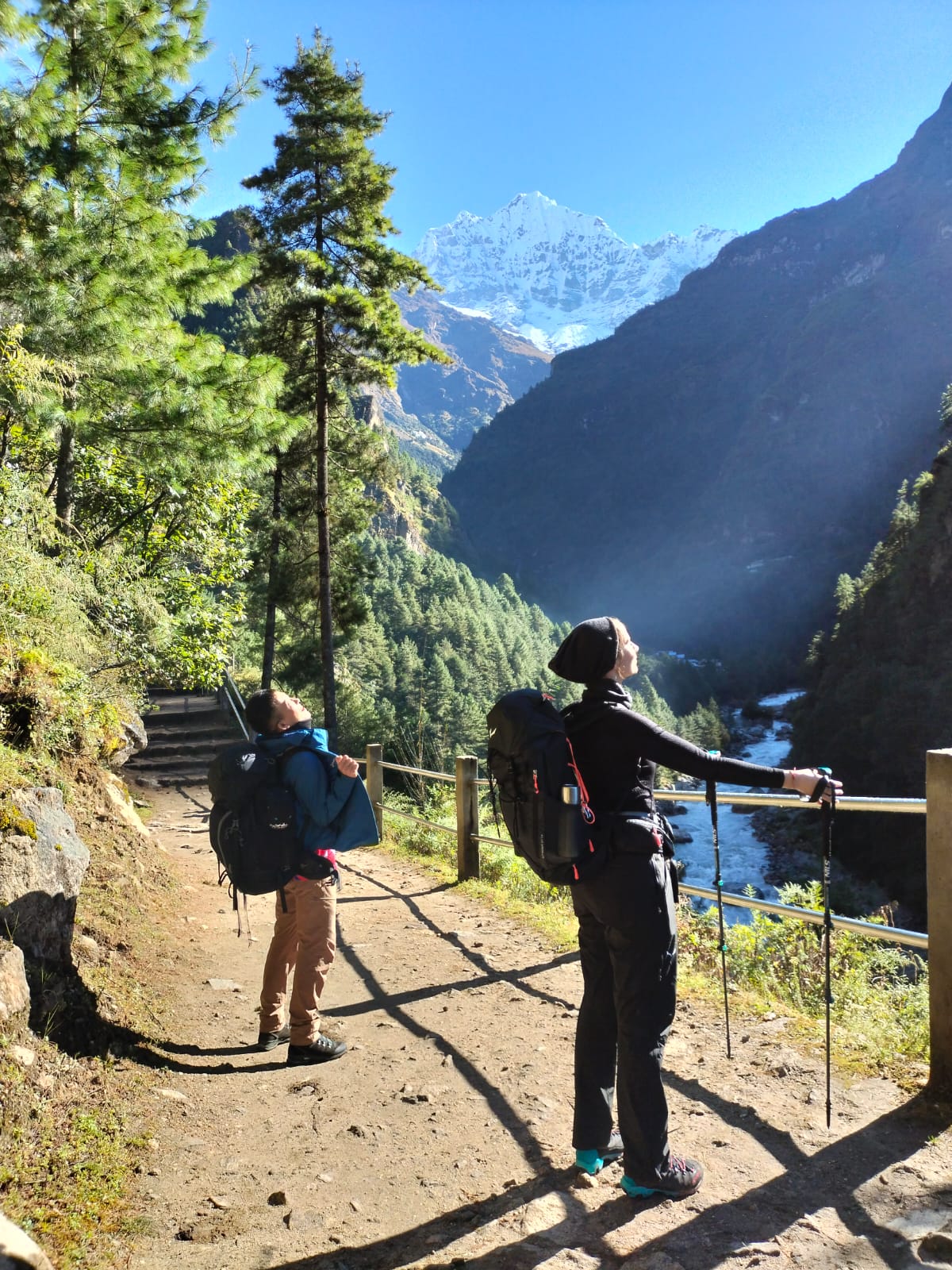
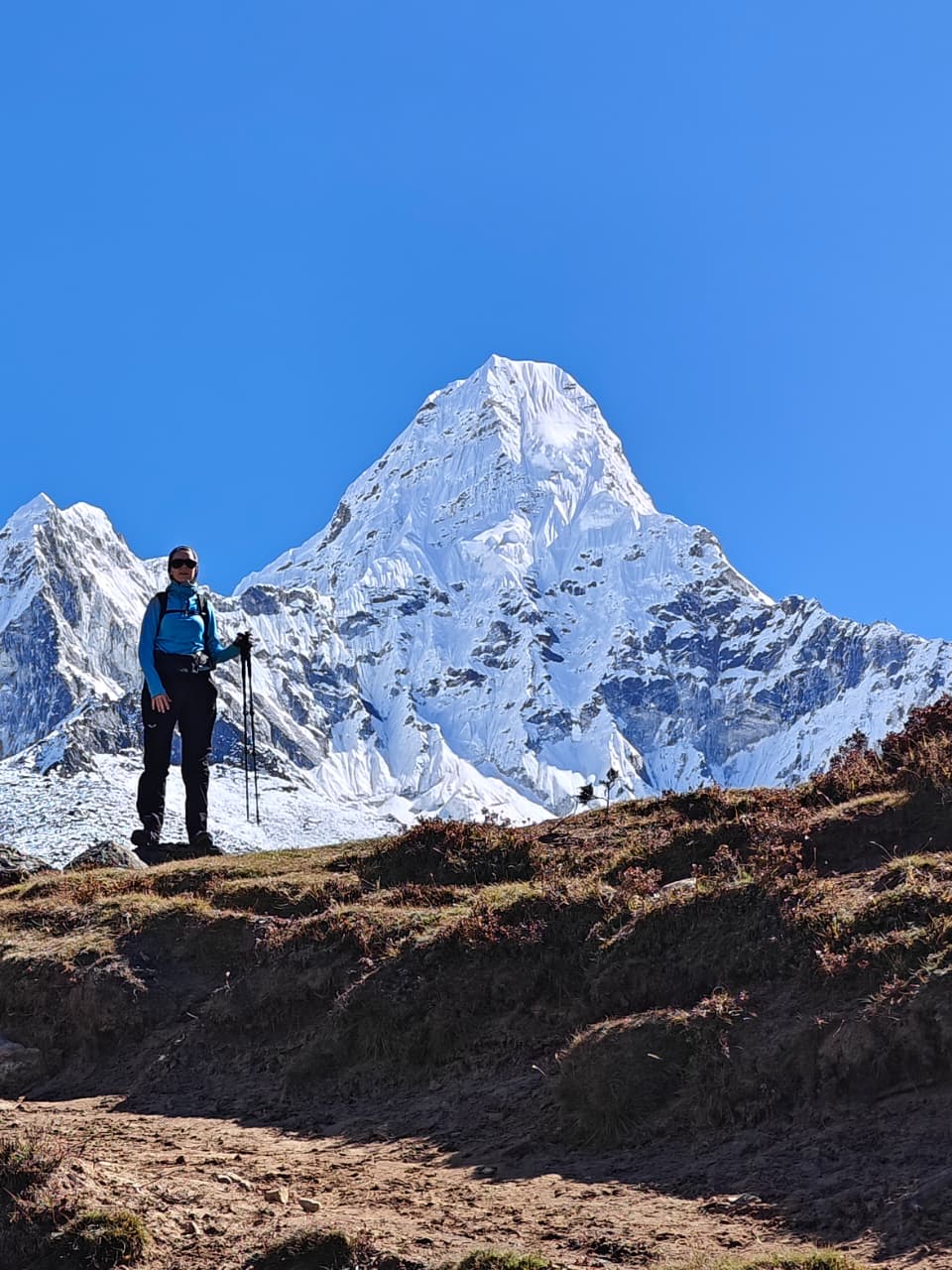
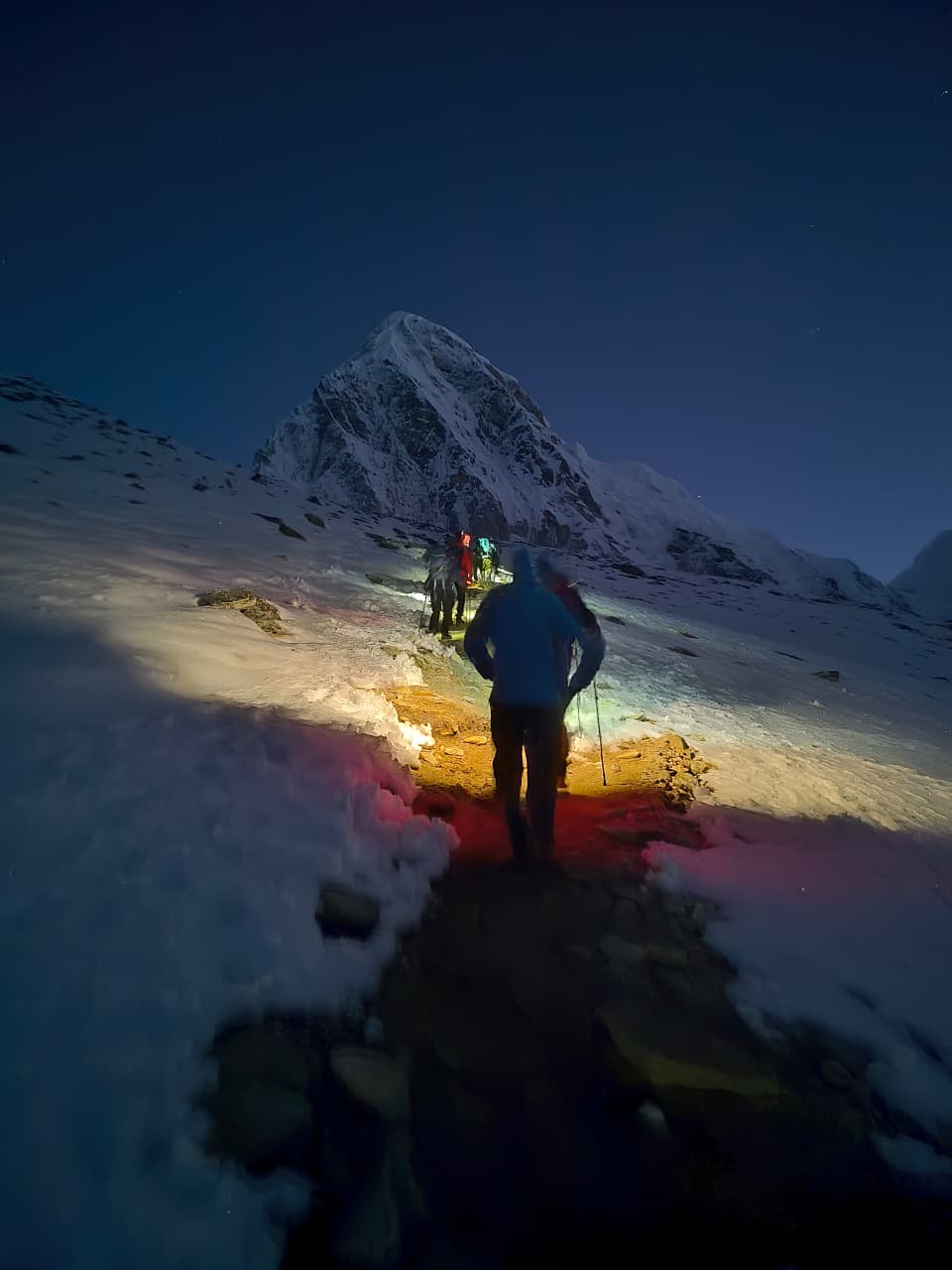
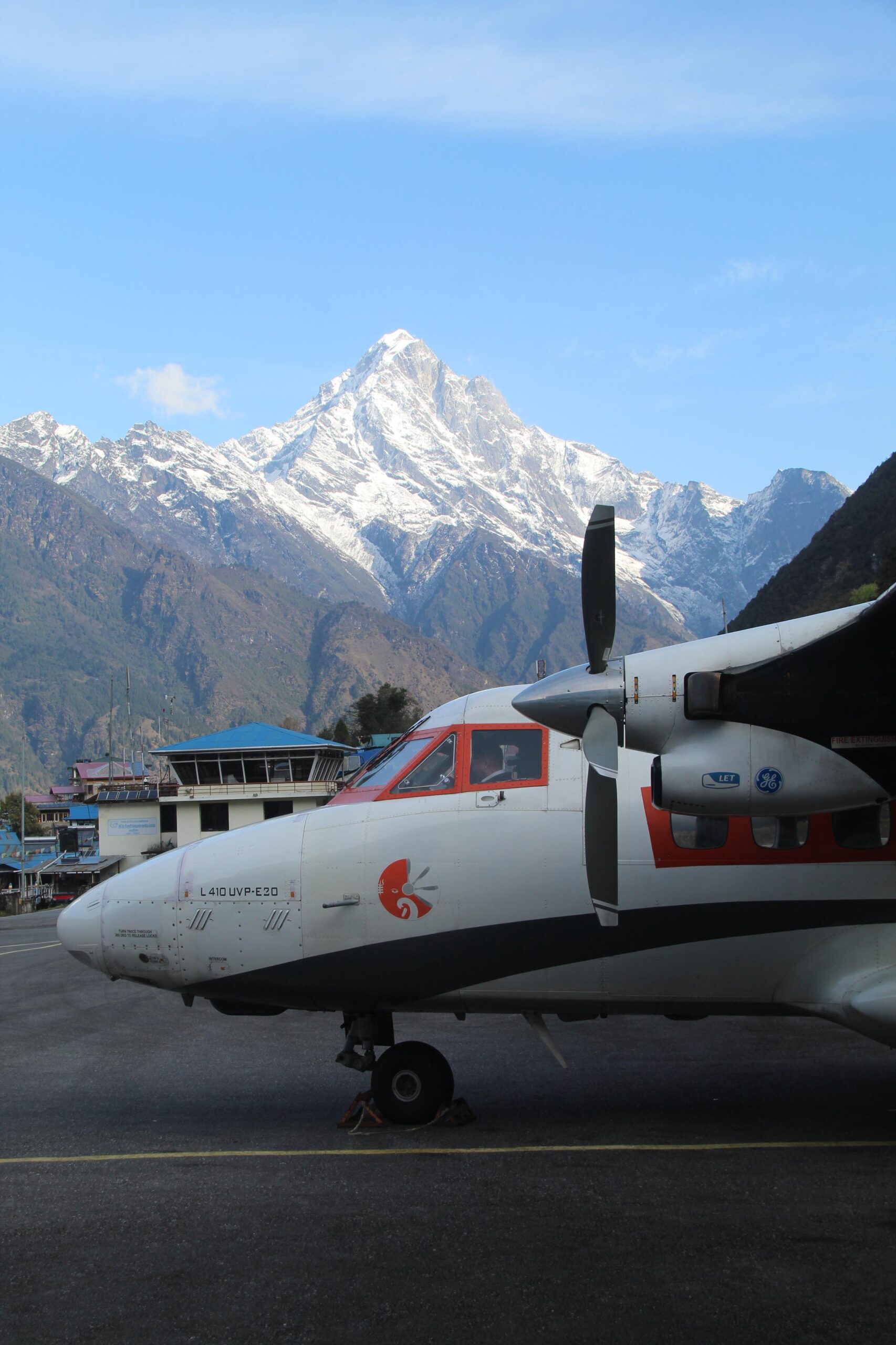
The route to EBC involves a walk of around 120–140 kilometres. Each day involves 6–8 hours of walking in the wilderness, carrying a rucksack weighing 5–10 kg. Added to this is the altitude – ranging from 2,800 m in Lukla to over 5,000 m at base camp. This means a lack of oxygen, faster fatigue and slower recovery. Those who are unprepared quickly experience pain in their knees and hips on long descents, shortness of breath on ascents, and difficulty adapting to the pace of the expedition. That is precisely why preparatory training should not be treated as an „add-on”, but as an integral part of the expedition itself.
Preparation plan – ideally about 6 months before the trip
Ideally, you should start preparing 6–10 months in advance, or at least 3–4 months before departure. A lot depends on your lifestyle and your starting point. Your training should be based on three pillars: endurance, strength and stability, and mobility and recovery.
Efficiency
The basis is walking in the countryside – wherever possible, in the mountains, or, as a substitute (which also works well), on stairs or hills in your local area. Instead of strenuous runs, focus on long, steady exertion. In practice, this means two or three training sessions a week lasting 45–75 minutes; it’s a good idea to do some of these sessions with a rucksack weighing 6–8 kg, particularly the brisk walks, for example. At the weekend, it’s worth adding a longer hike lasting 2–4 hours over varied terrain – ideally in the mountains, though this isn’t essential. Your pace should allow you to chat comfortably – this is a sign that you’re working within your aerobic zone.
Strength and stability
Strong legs and a strong core (abs, back, hips) are almost a guarantee that long ascents and descents won’t leave you in pain. Simple exercises work best: squats with a light weight, lunges, straight-leg deadlifts, planks, „dead bugs” and hip bridges. Don’t forget exercises for your feet and calves – toe raises or walking with a resistance band will strengthen your ankle joints. Two such sessions a week, each lasting 30–40 minutes, are more than enough.
Mobility and recovery
This is an aspect that is often overlooked, yet it is crucial to your comfort. Ten minutes a day of stretching and foam rolling (calves, iliotibial band, glutes) helps the body recover more quickly and prevents muscles from „tightening up” during your next workout.
Simulation of conditions in the Himalayas
The best training is the kind that mimics real-life challenges. That’s why you should walk in the trekking boots you’ll be wearing in Nepal, use walking poles and gradually increase the weight of your rucksack. Once every few weeks, plan two long hikes on consecutive days – this helps your body learn to cope with increasing fatigue. Such tests also show whether your boots are properly broken in (aim for at least 50–80 km before you set off).
Nutrition and hydration during training sessions
At altitude, a nutritional mistake costs you twice as much. Get into the habit of drinking regularly right from the preparation stage, rather than „only after training”. 500–700 ml of fluids per hour is a sensible guideline. Top up your energy in small portions – a bar, a handful of nuts or an energy gel every 60–90 minutes – when you’re training for long periods or at high intensity. Your body copes better with such small, frequent intakes than with infrequent, heavy meals. Get your stomach used to simple carbohydrate-rich meals, as this is what you’ll most often be eating at mountain huts along the route.
One month – two weeks before departure
The last 2–3 weeks are a time for rest and recovery. Cut your training volume in half, and focus on short walks and light mobility exercises. Get plenty of sleep, drink plenty of water and focus on your diet. This is an investment in the energy and vitality you’ll need to start your trip.
Just before you set off – about two weeks beforehand – avoid crowded places, don’t put yourself at risk of catching an infection, pack your bags in good time, rest up and be open to whatever lies ahead.
Summary
Physical preparation for the Everest Base Camp trek – and, in fact, for many other treks in the Himalayas – does not require the fitness of a marathon runner. You need consistency, patience and a well-thought-out plan. After a few months of proper and thorough preparation, you’ll head into the Himalayas confident that your body can cope with the route and the altitude. Then, (almost) every step towards Everest Base Camp will be a pleasure, rather than a struggle for survival.
