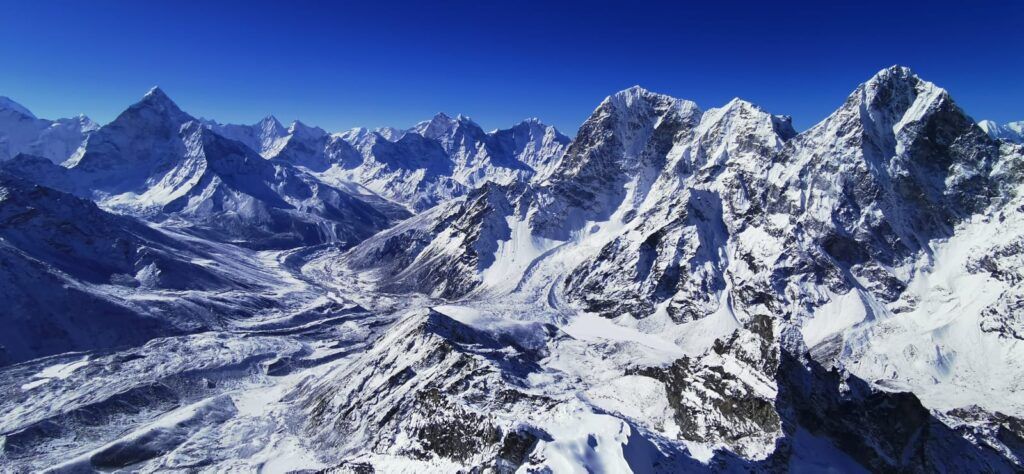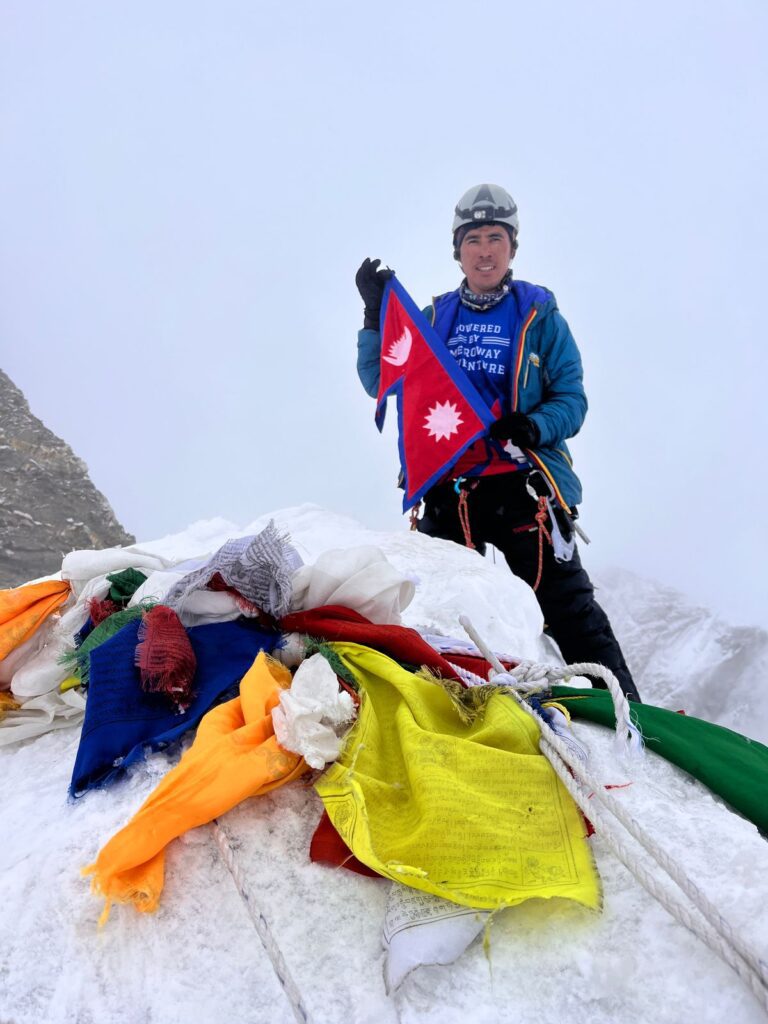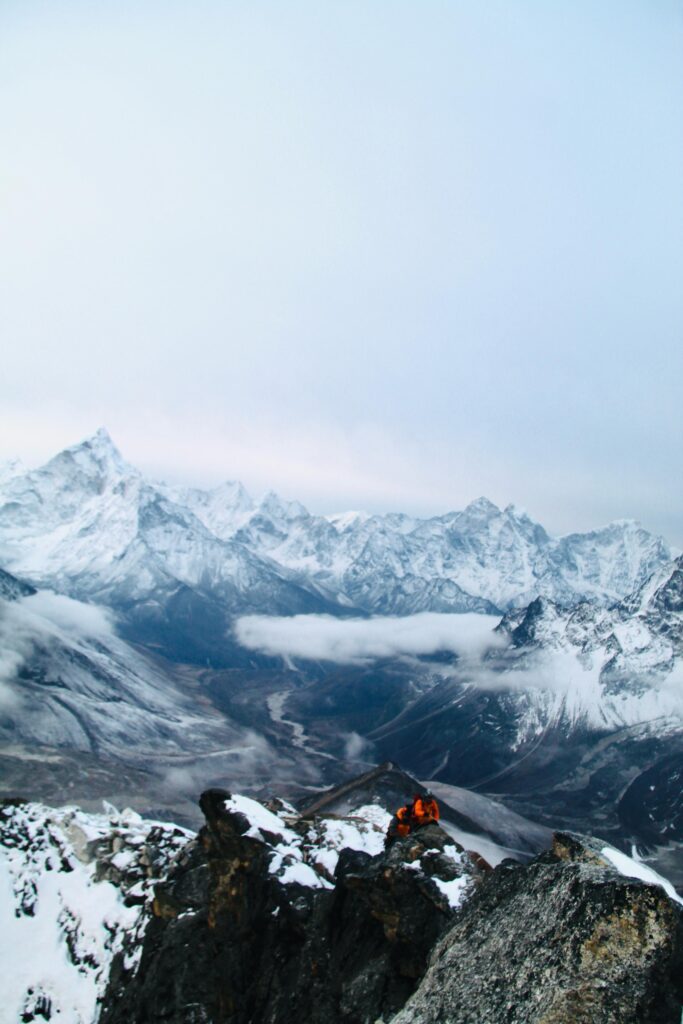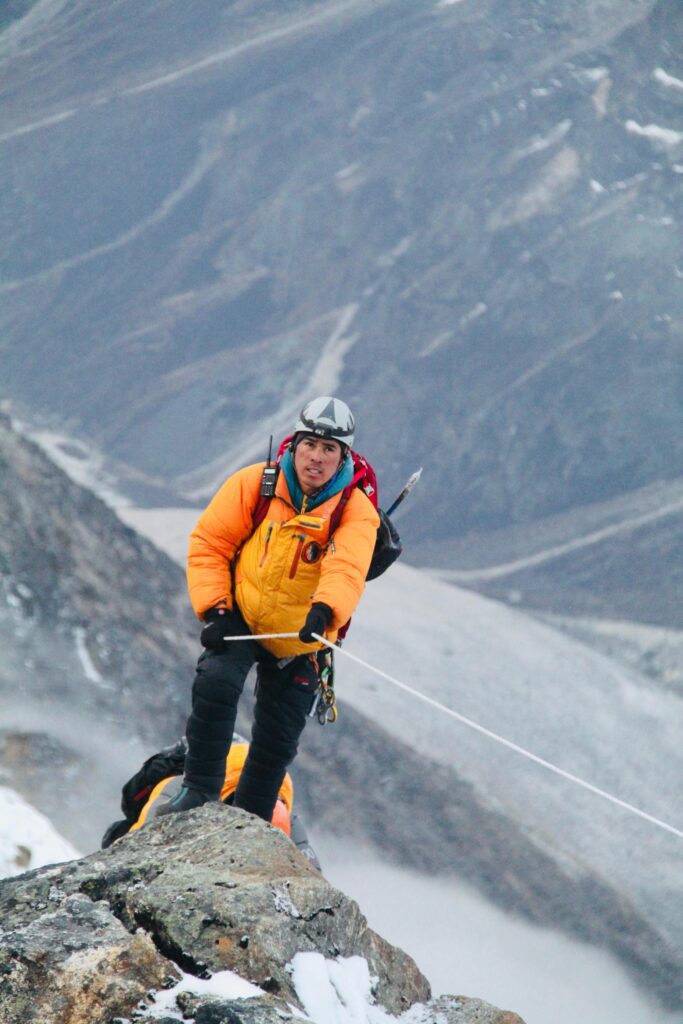

A trekking trip including an ascent of a 6,000-metre peak.
Lobuche Peak (6,090 m) is a unique expedition into the heart of the Himalayas, combining one of the most beautiful treks in Nepal with an ascent to a 6,000-metre summit. The route takes you past the Gokyo Lakes, over the Cho La Pass and through Everest Base Camp, creating one of the most comprehensive and spectacular expeditions in the Khumbu region. This is no ordinary trek. It’s your first 6,000 metres.
Why this expedition?
This is one of the most comprehensive trekking and climbing routes in Nepal, linking the key destinations of the Khumbu region with a genuine mountaineering challenge. This journey offers the full Himalayan experience, from the region’s culture to the demanding high-altitude conditions.
- Lobuche Peak (6,090 m) – Your first six-thousander
- Everest Base Camp – a legendary destination for expeditions
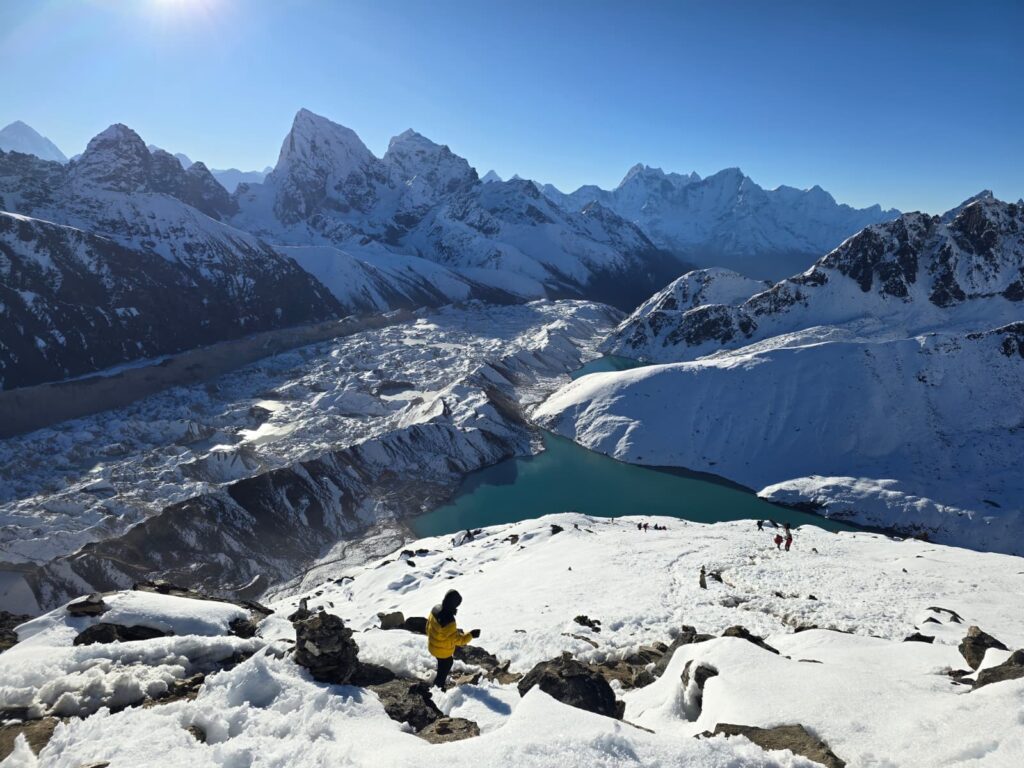
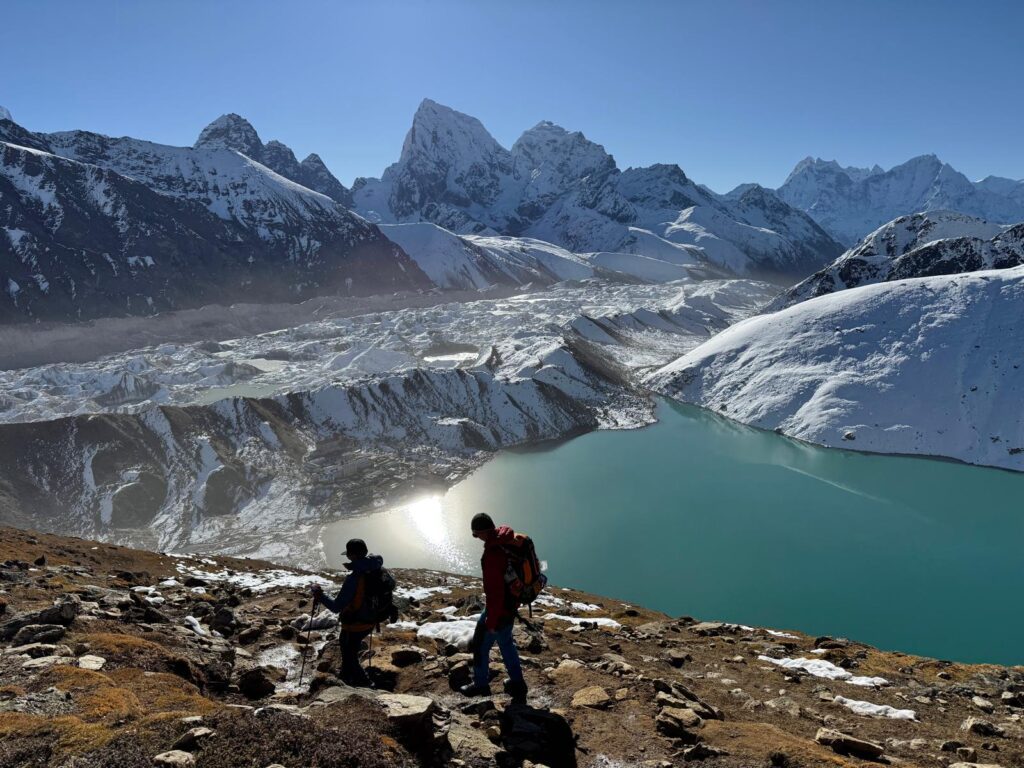
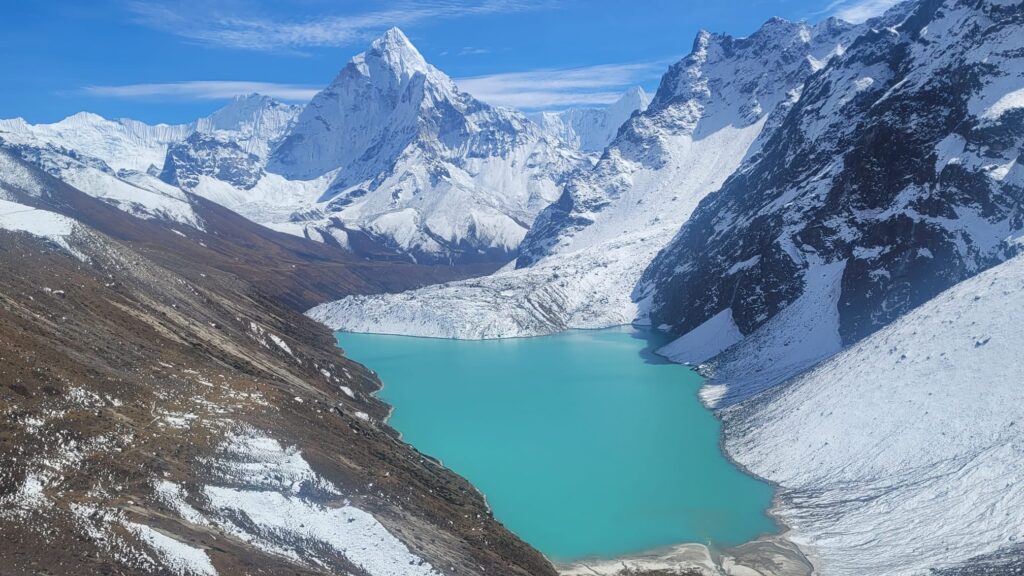
- The Gokyo Lakes – some of the most beautiful in the Himalayas
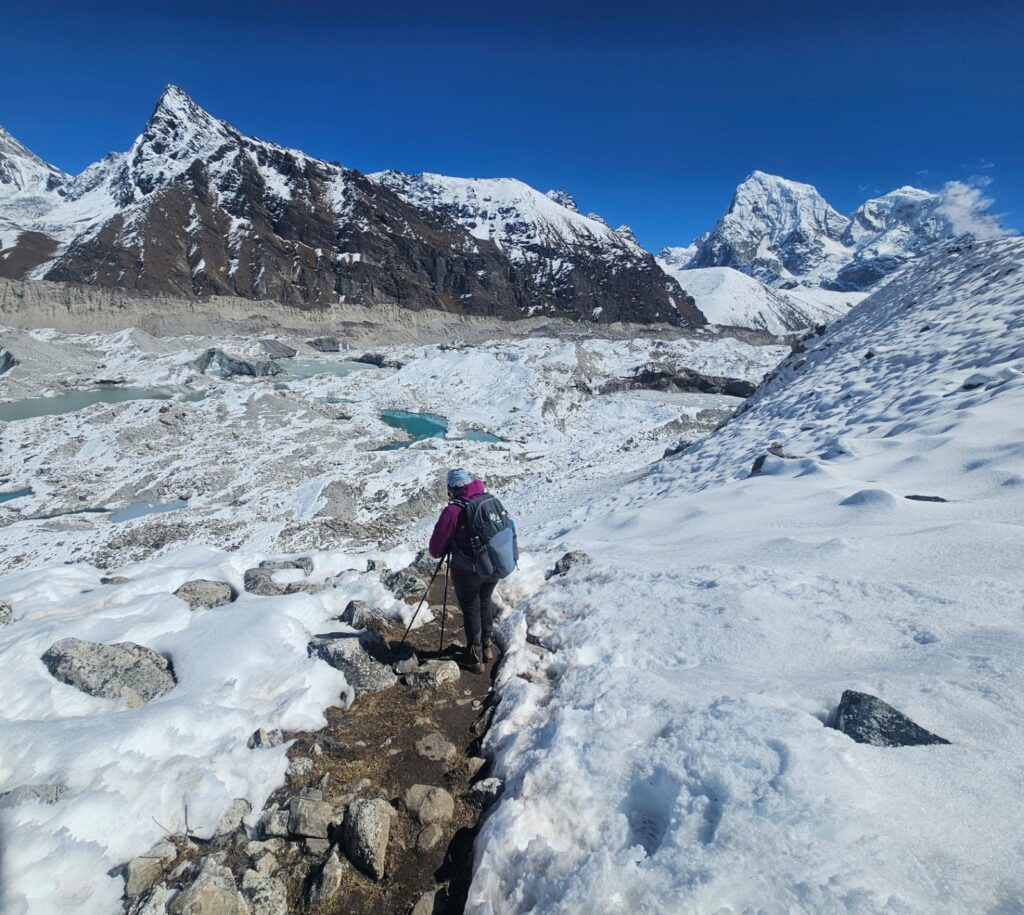
- Cho La Pass – a high-altitude glacial pass
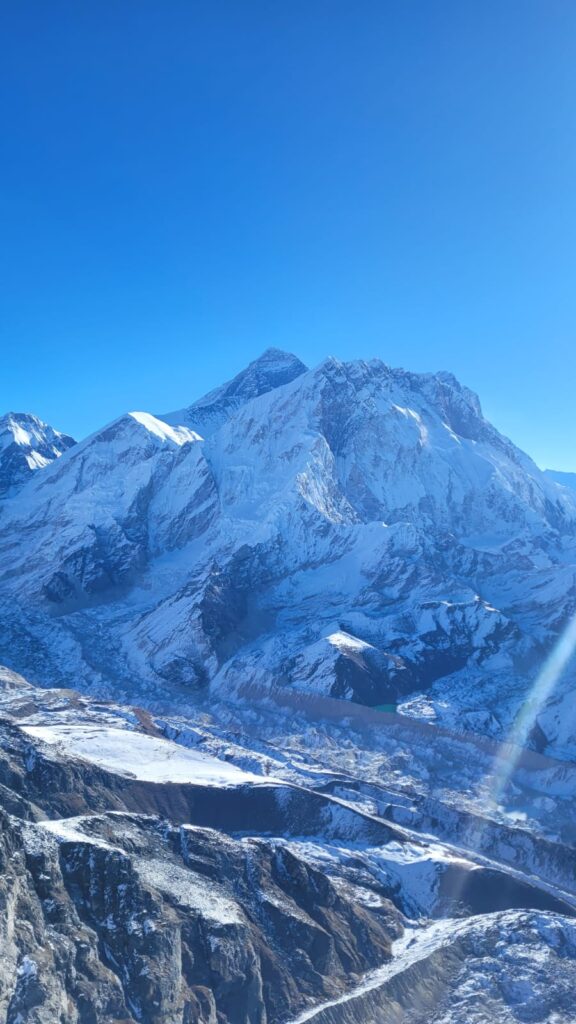
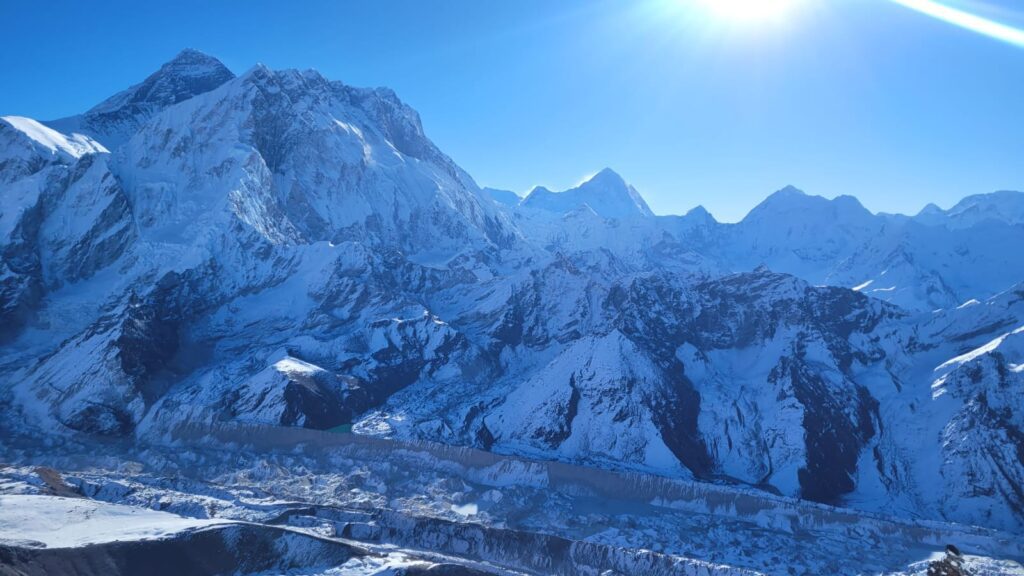
- Gokyo Ri – a spectacular panorama of Everest, Lhotse and Makalu
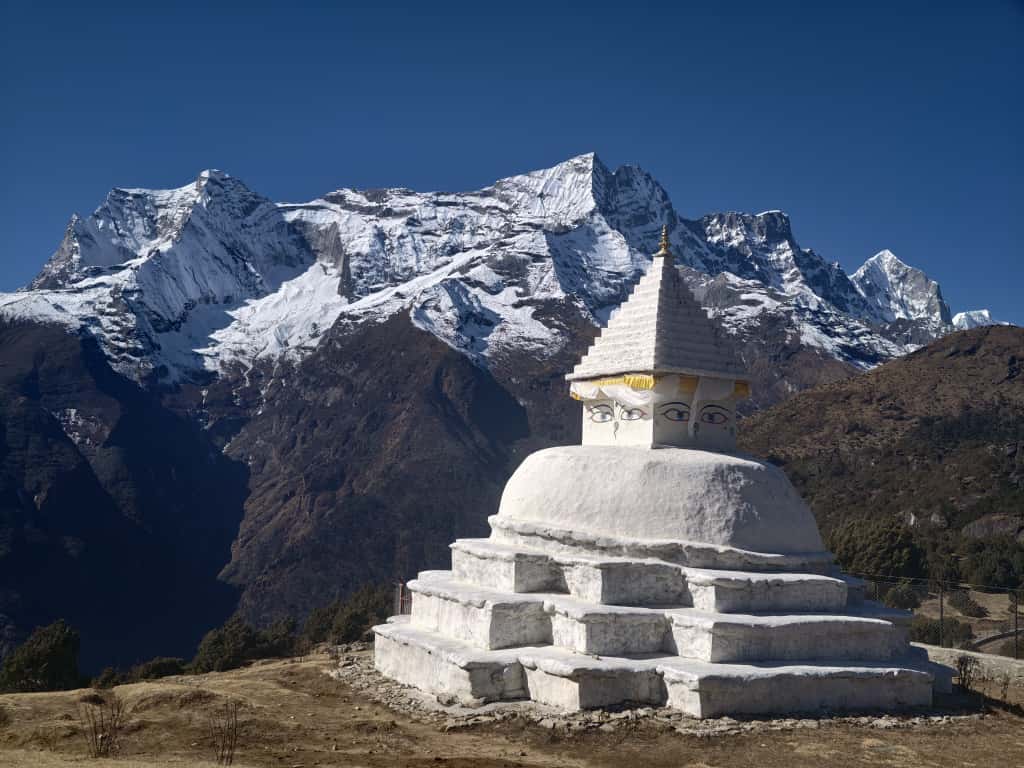
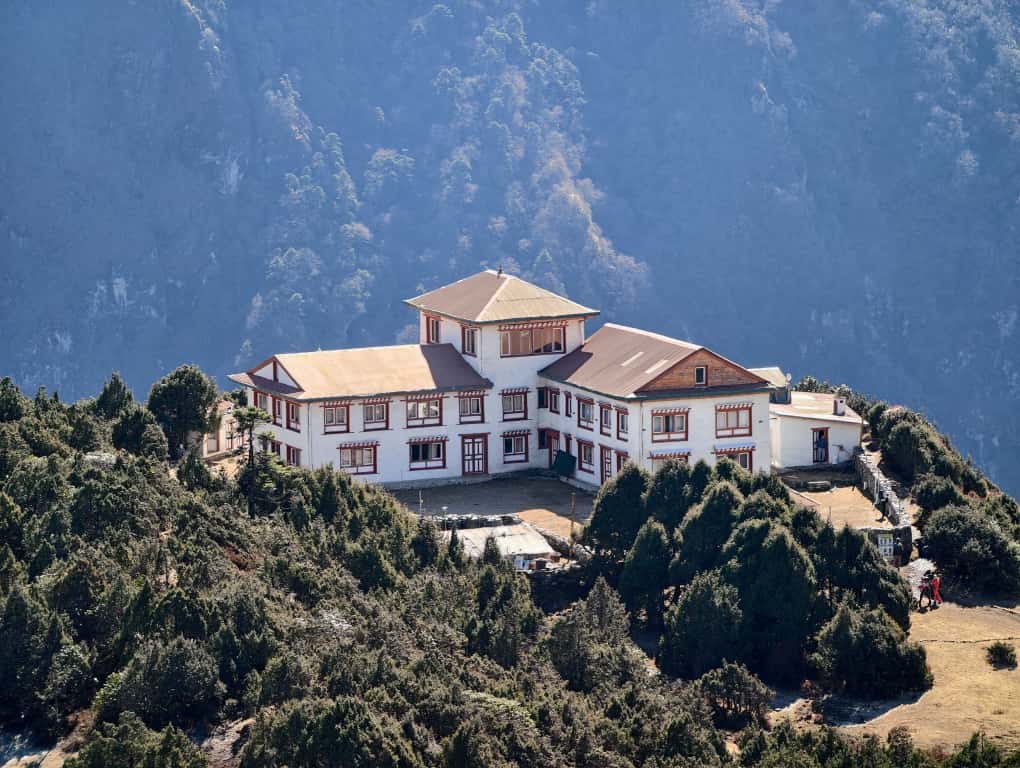
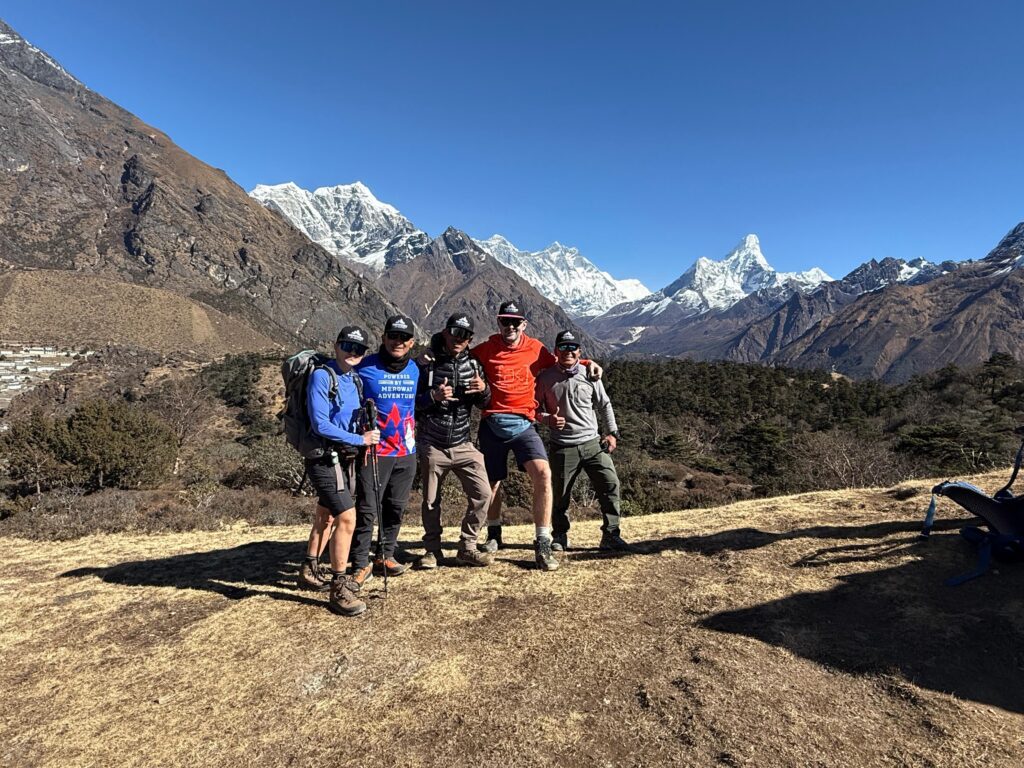
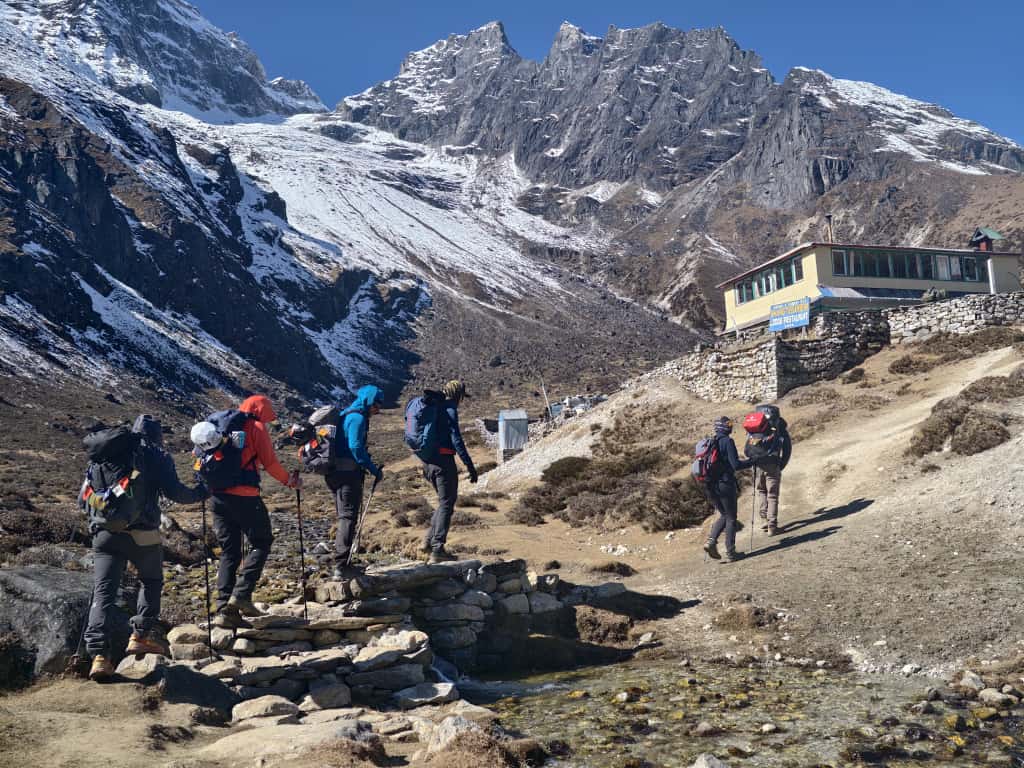
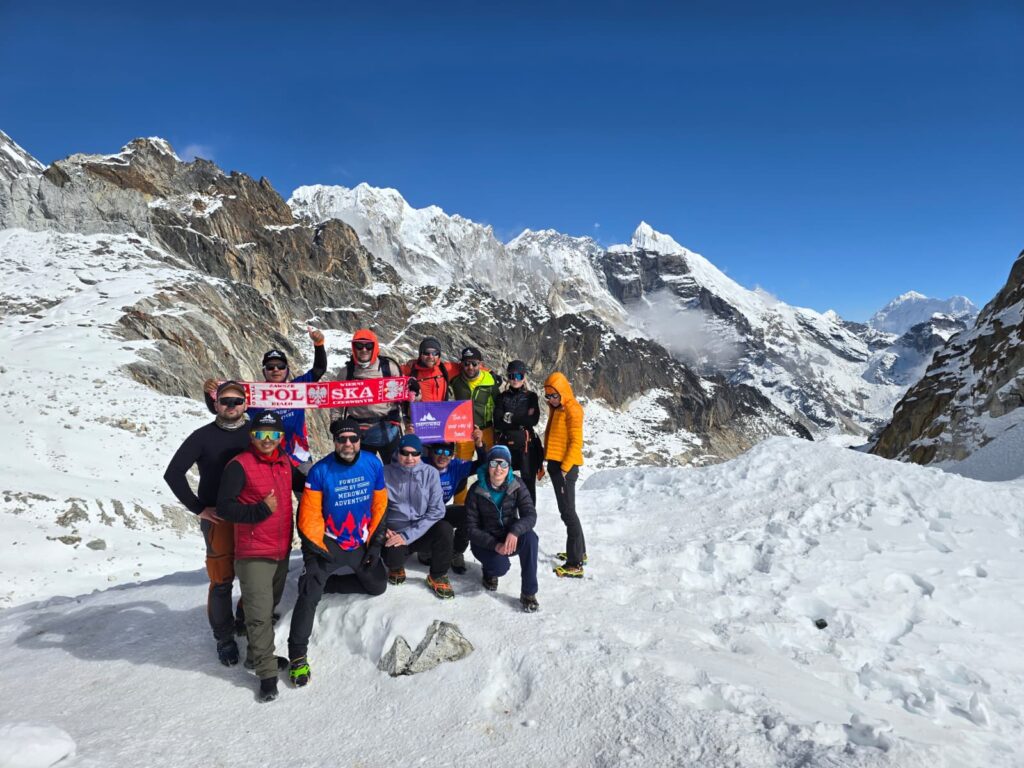
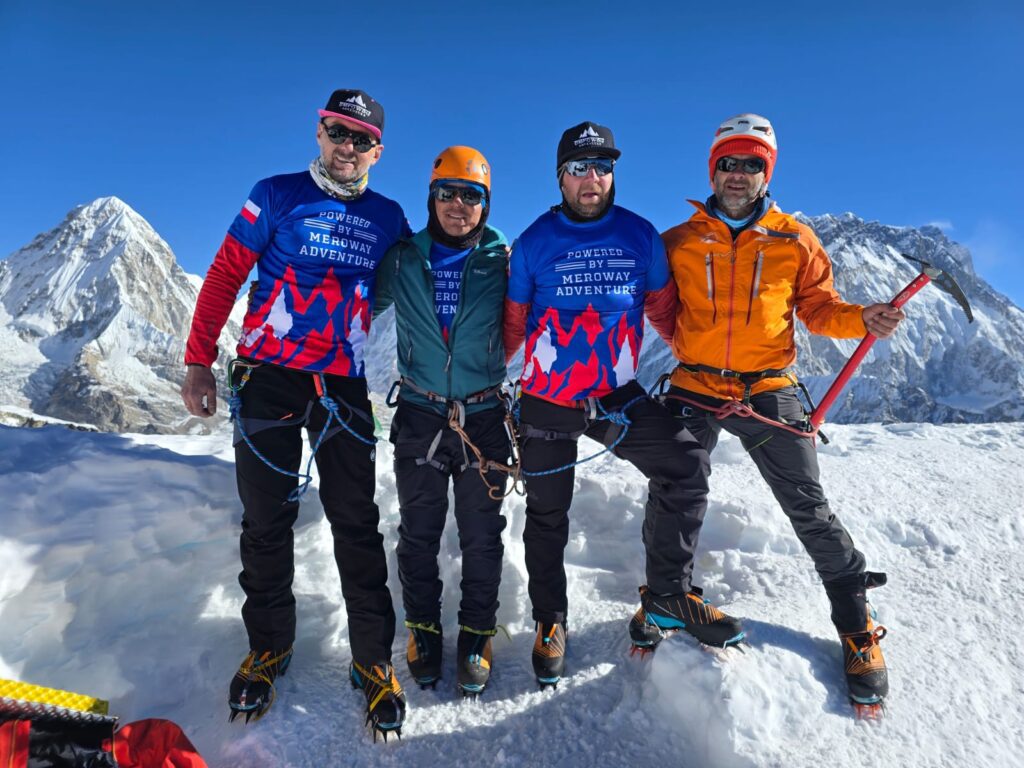
Lobuche Peak (6,090 m) – description of the peak and the expedition
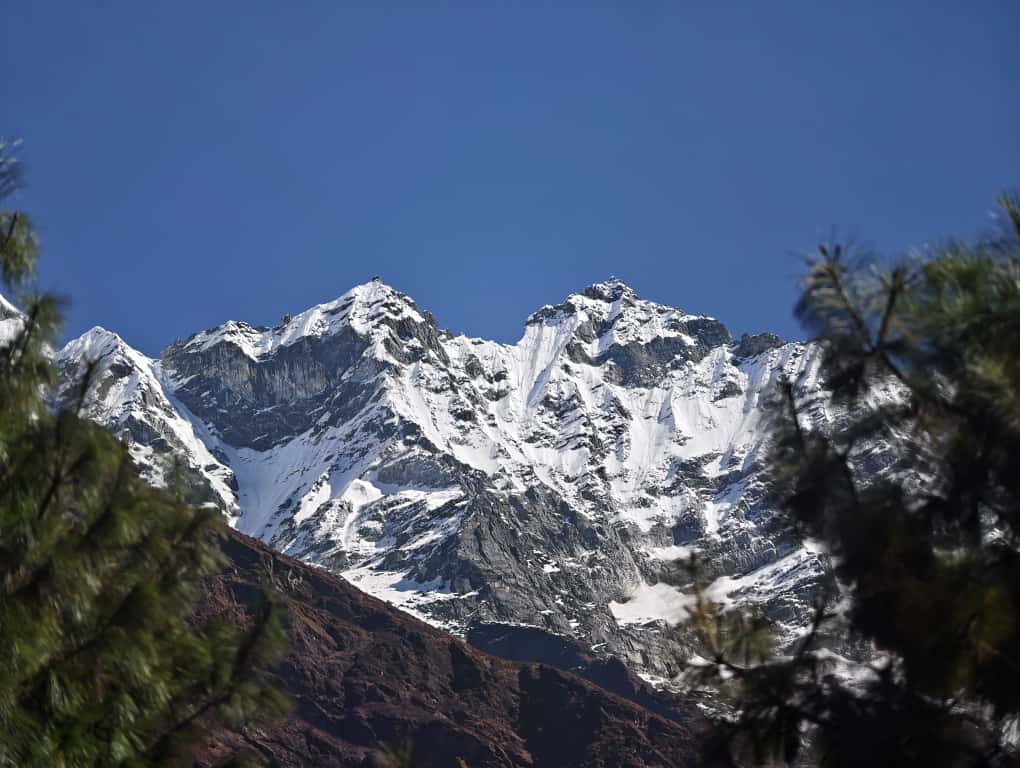
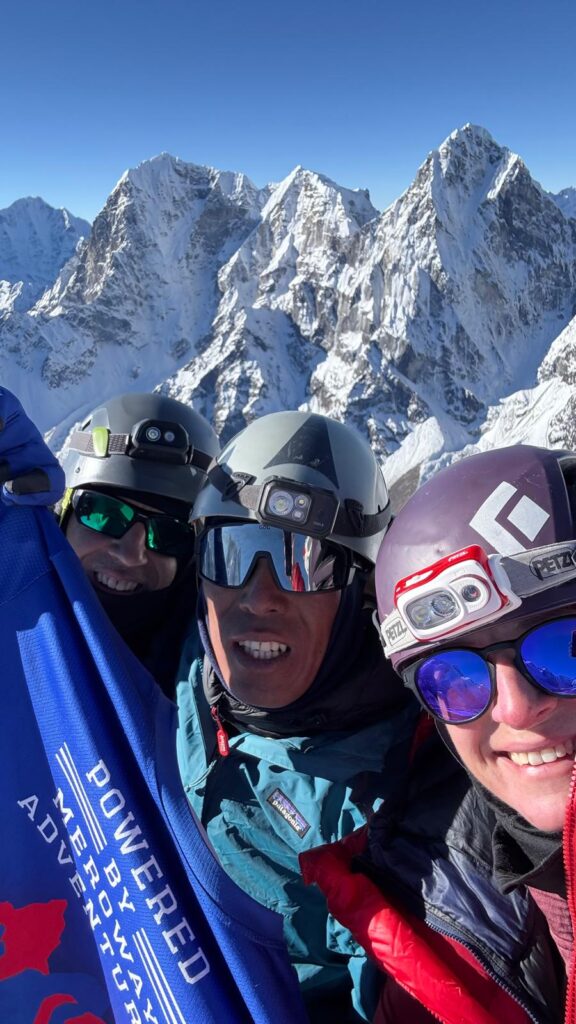
Lobuche Peak (6,090 m above sea level) is one of the most popular six-thousanders in Nepal, situated in the Khumbu region, in the immediate vicinity of the trail to Everest Base Camp. The peak consists of two summits: Lobuche East (6,090 m) and Lobuche West (6,145 m), with ascents taking place on Lobuche East, classified as a so-called ‘trekking peak’.
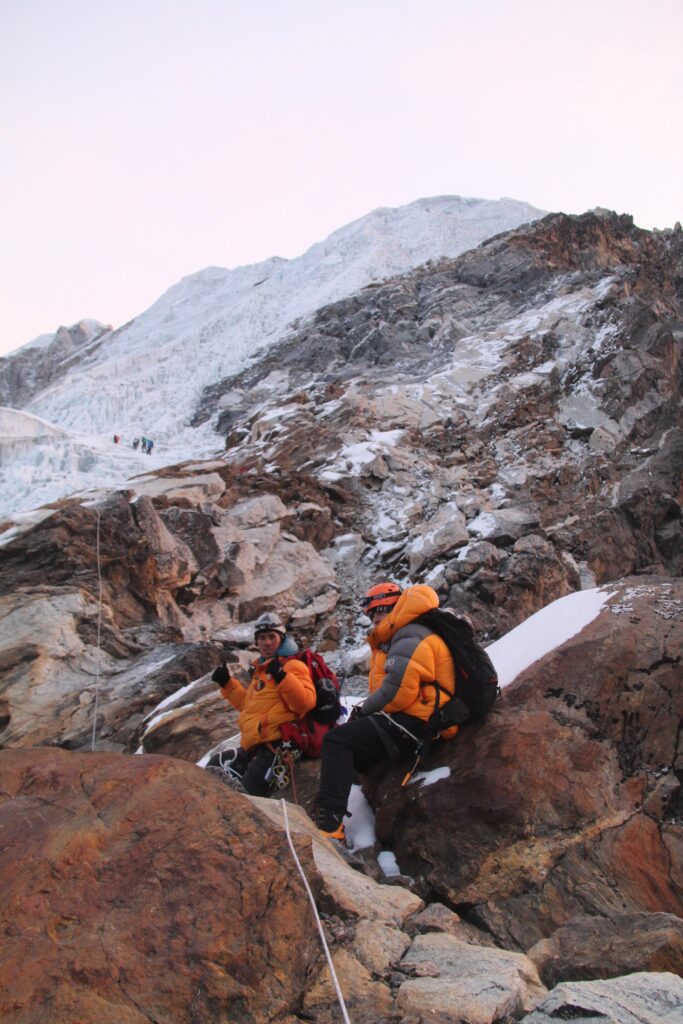
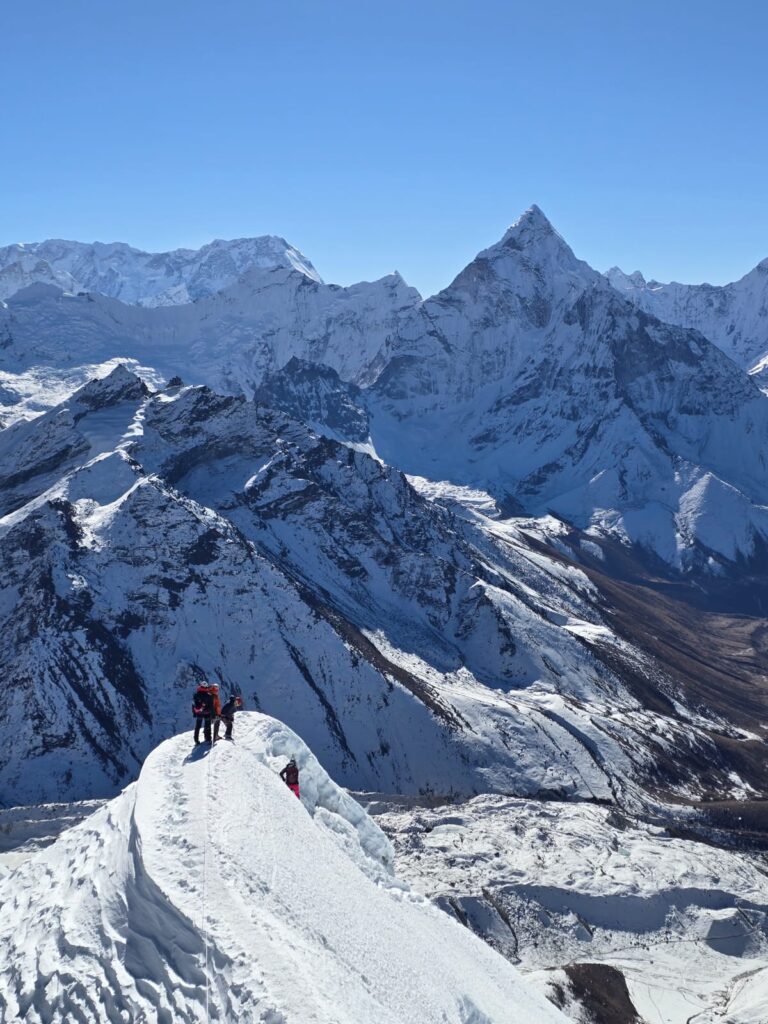
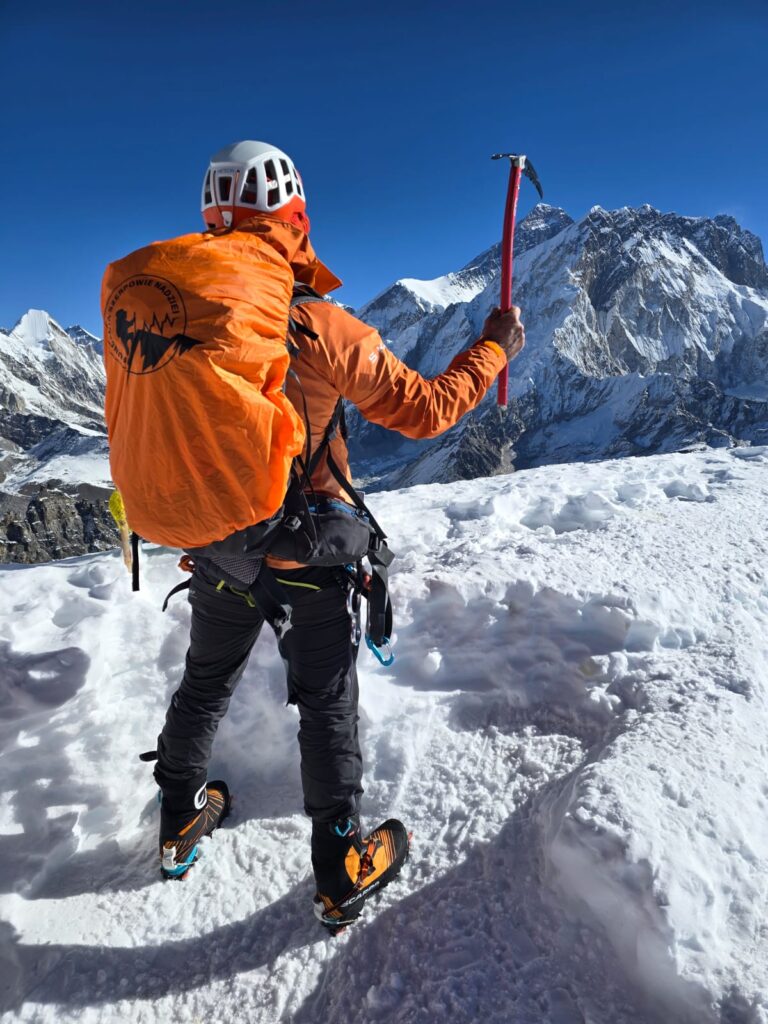
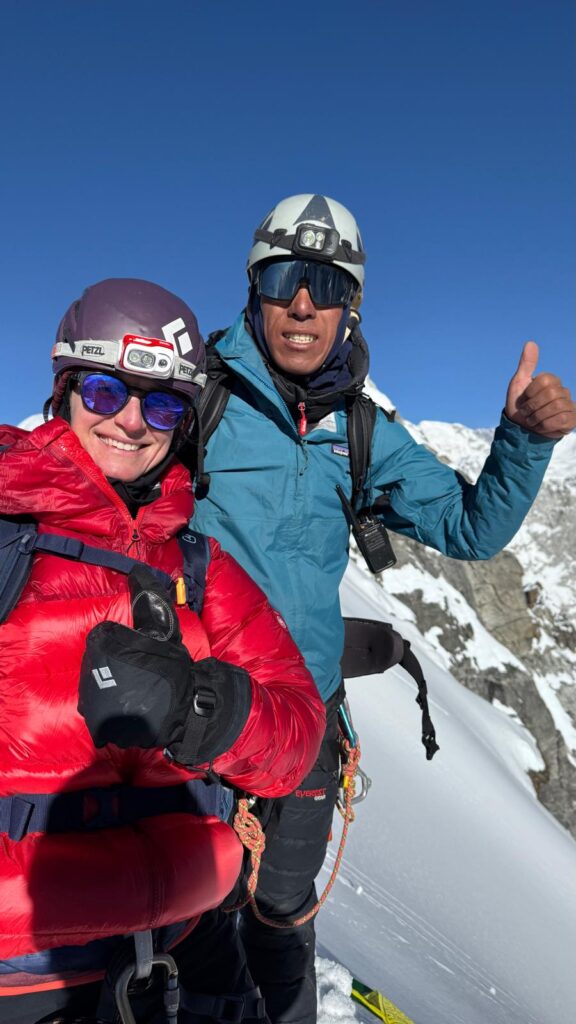
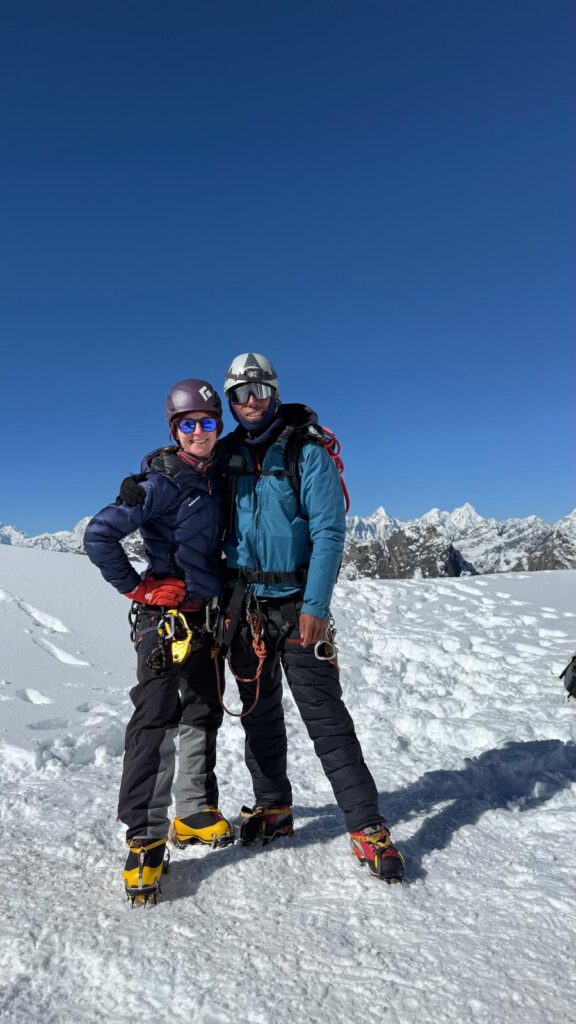
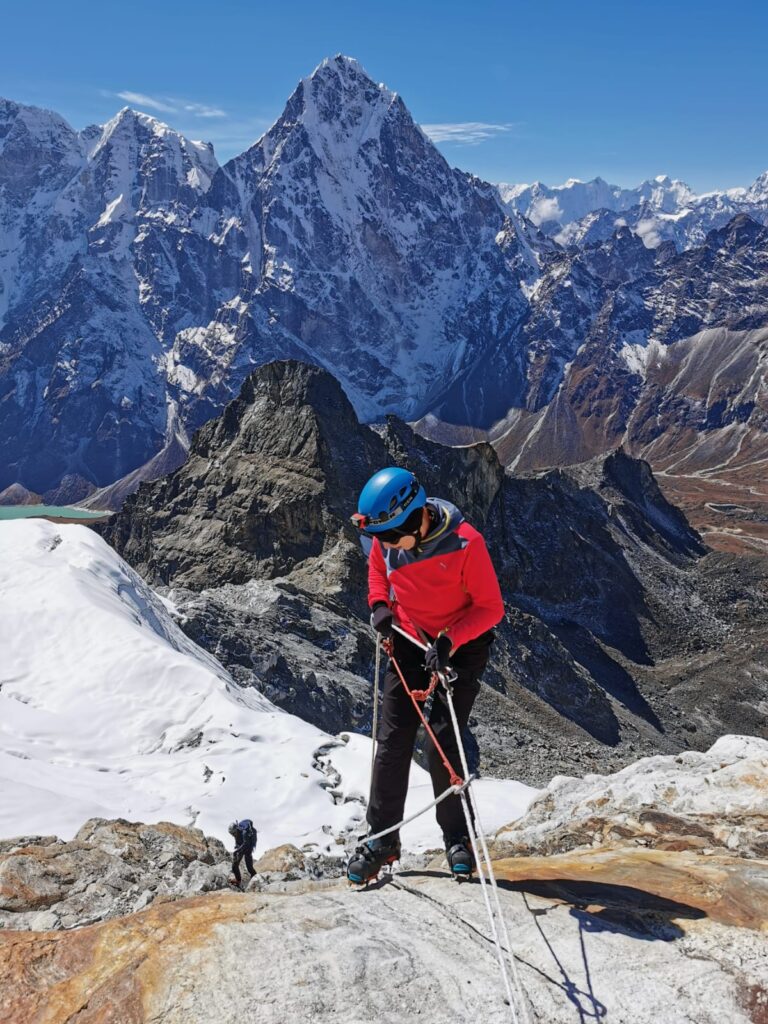
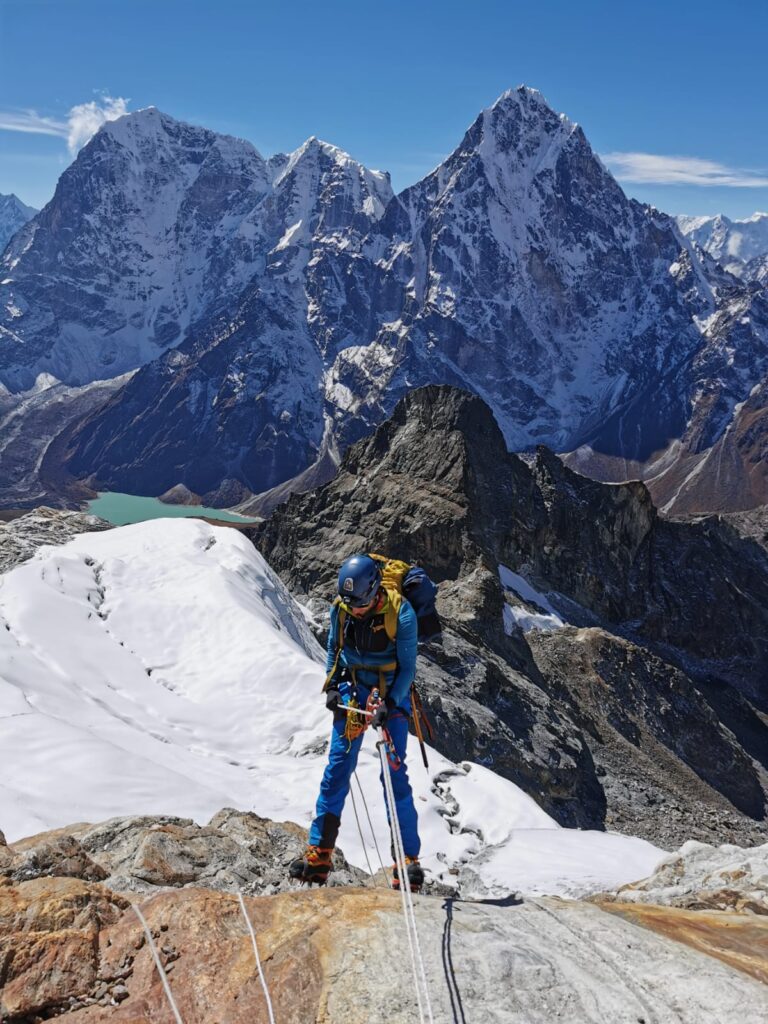
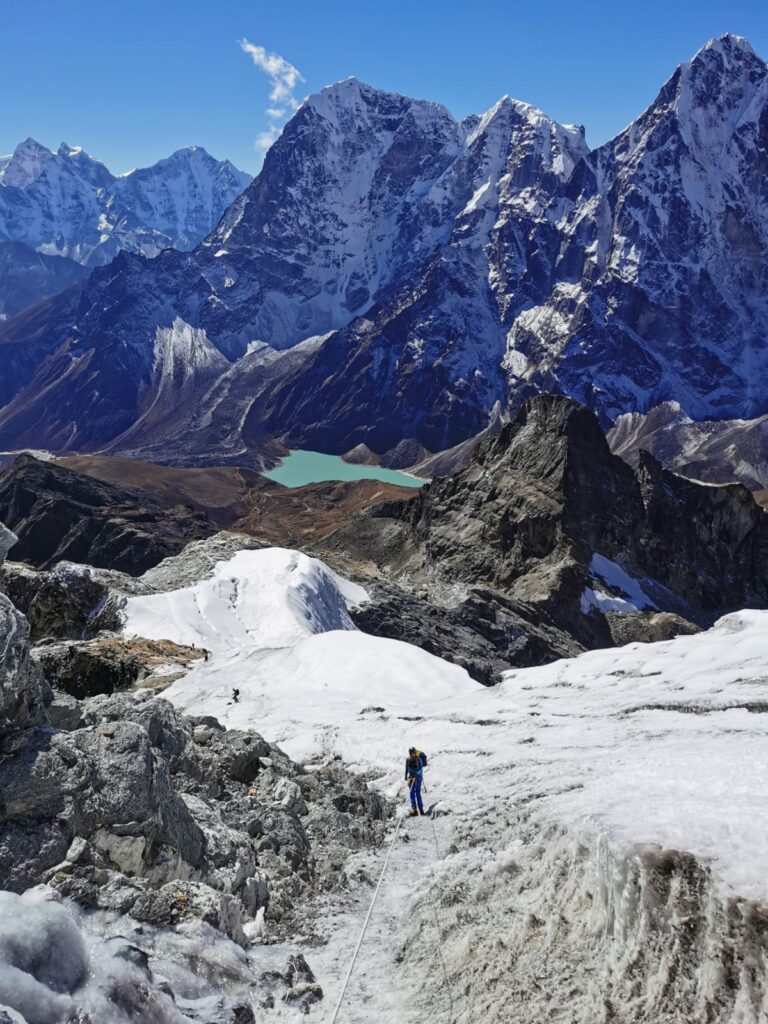
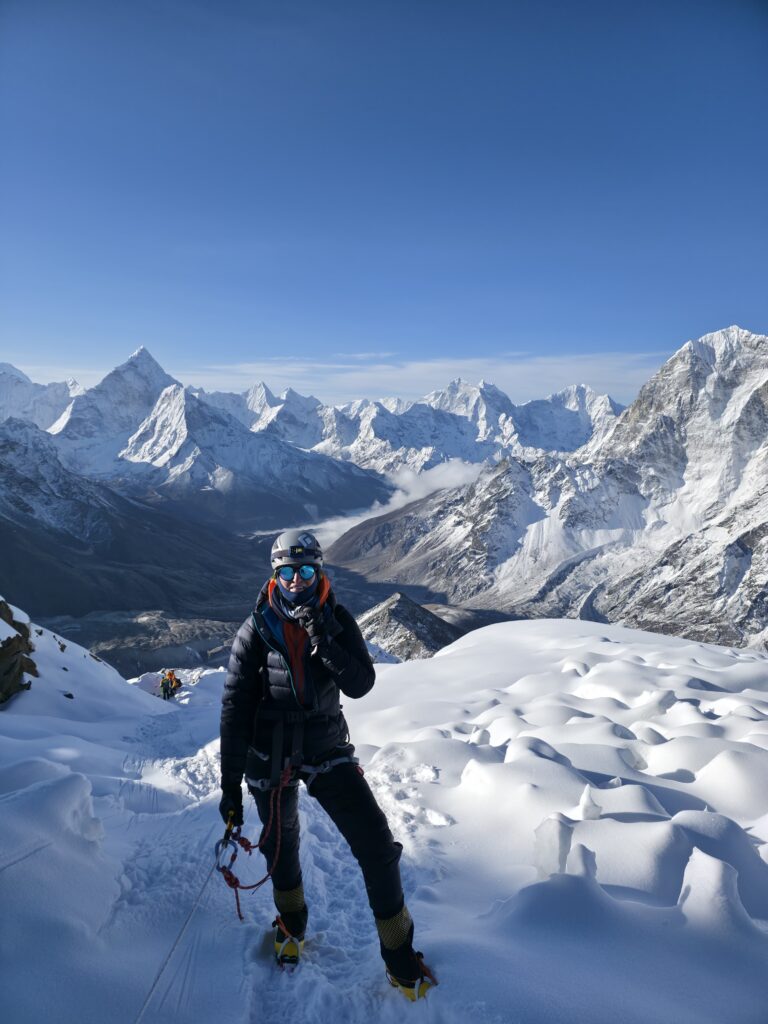
The expedition combines high-altitude trekking with elements of climbing. During the summit push, we use crampons, an ice axe and rope belaying. The slope’s gradient in the final section reaches around 40–45°, whilst the greatest challenge remains the altitude and high-altitude conditions.
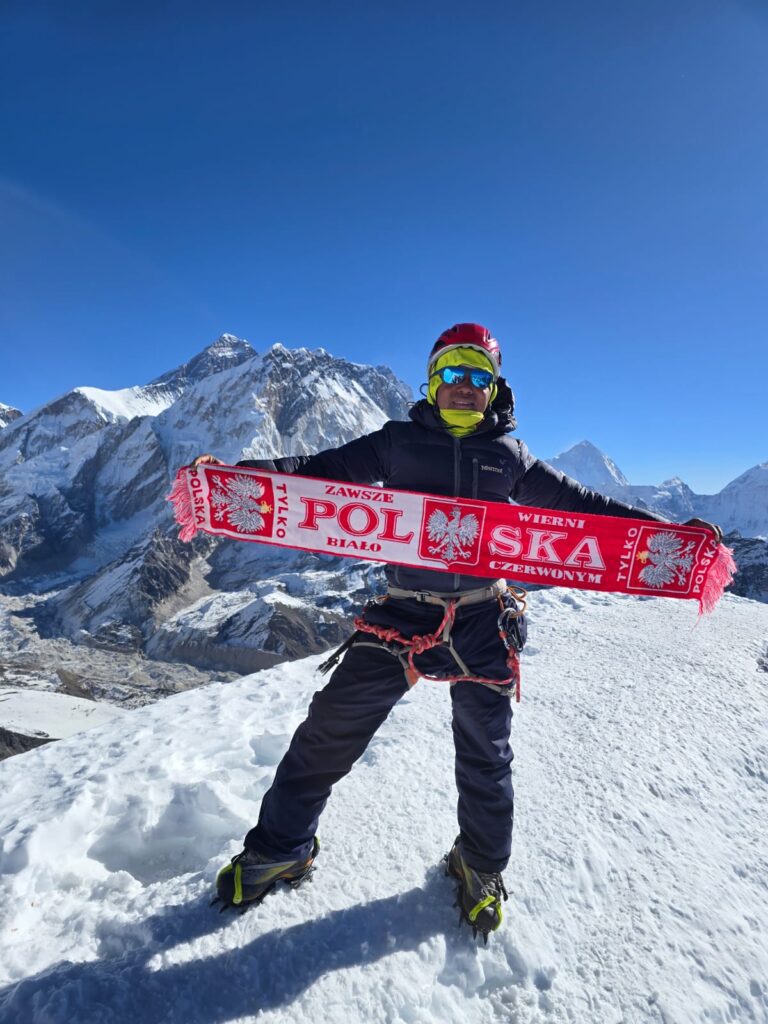
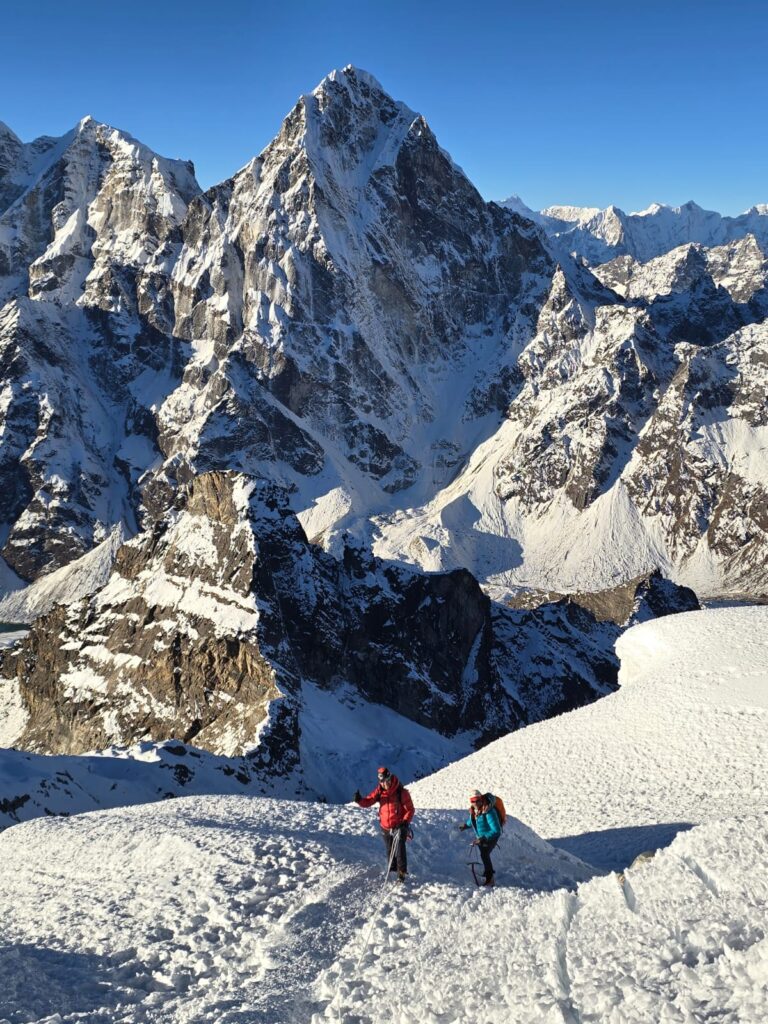
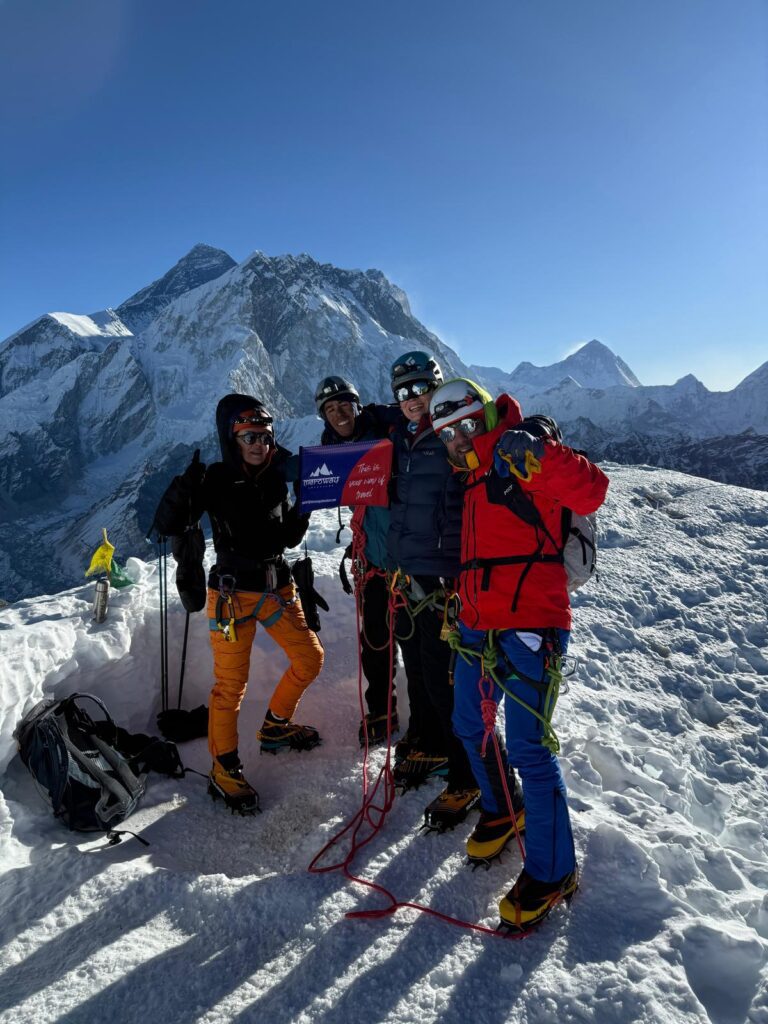
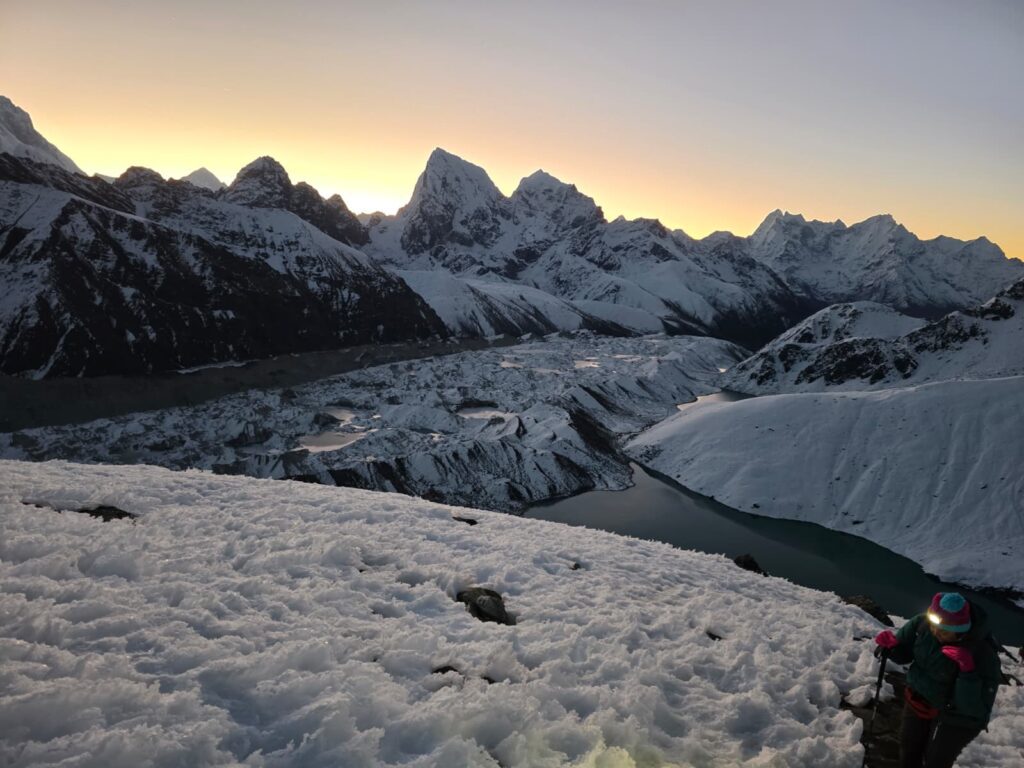
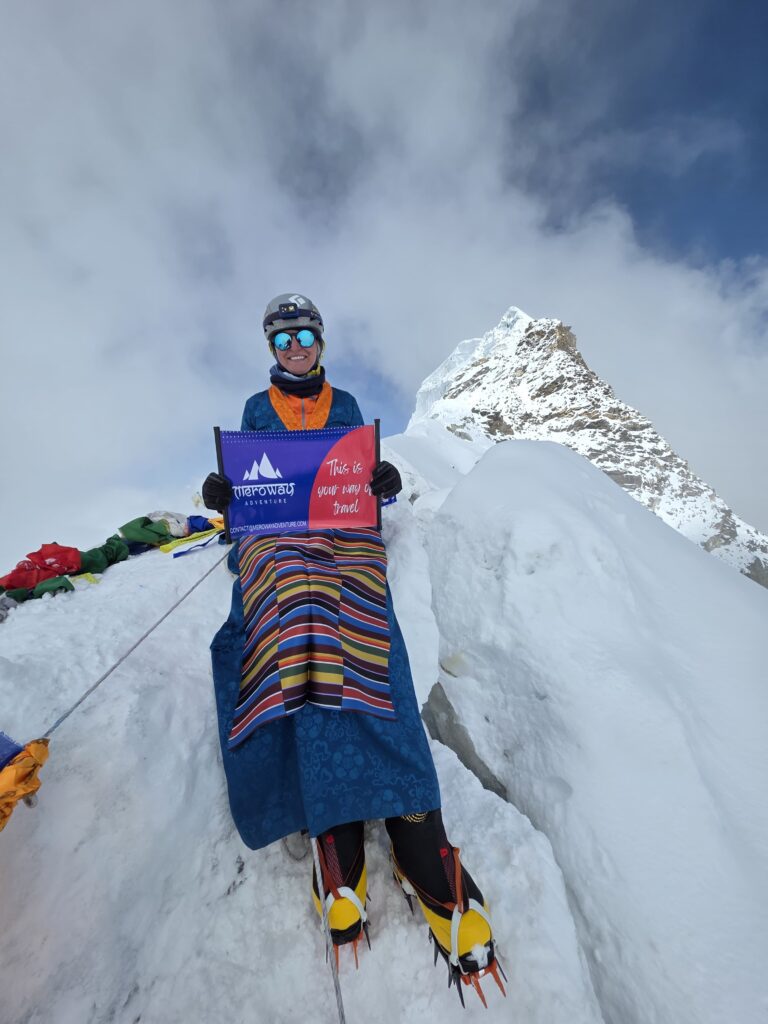
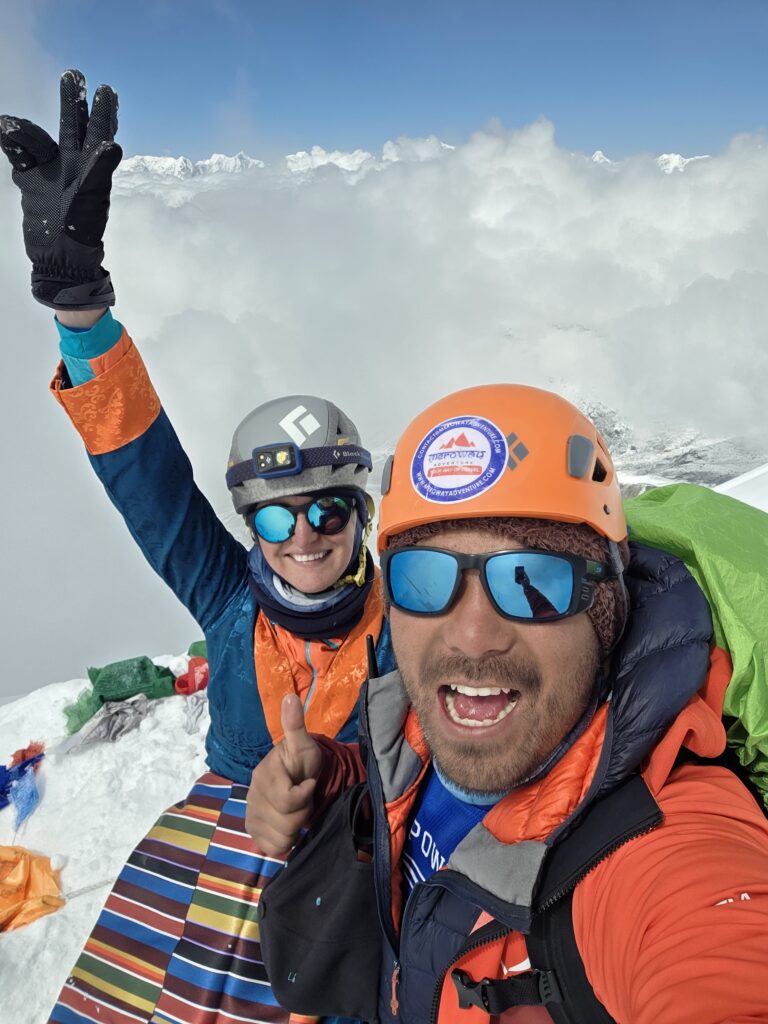
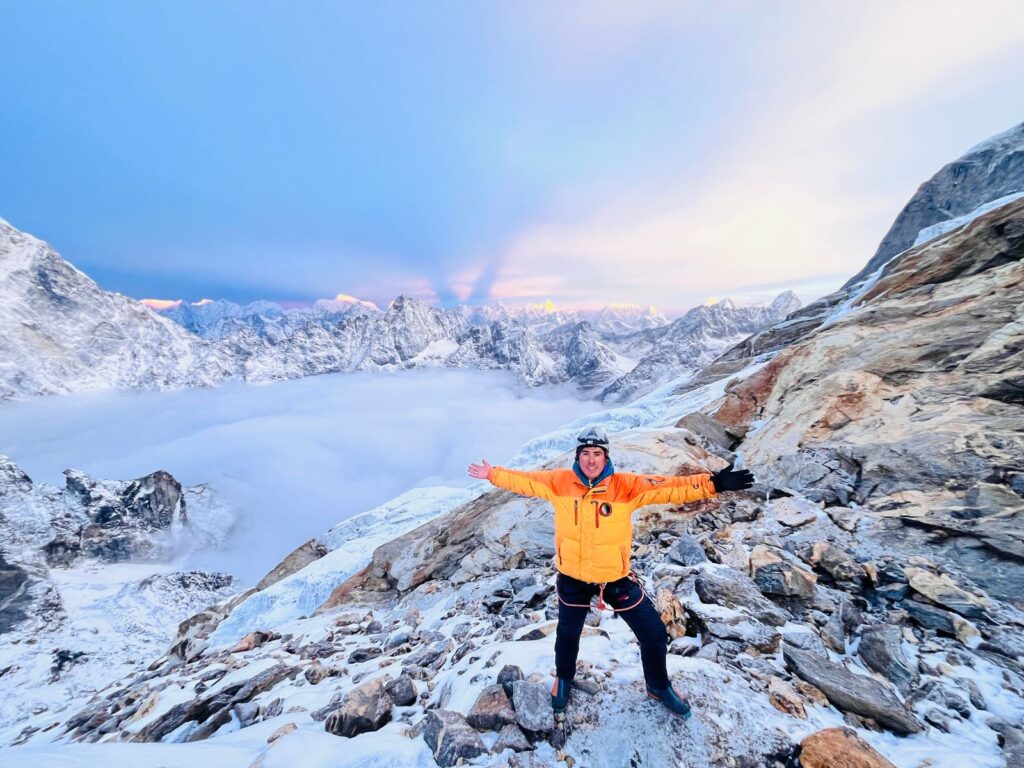
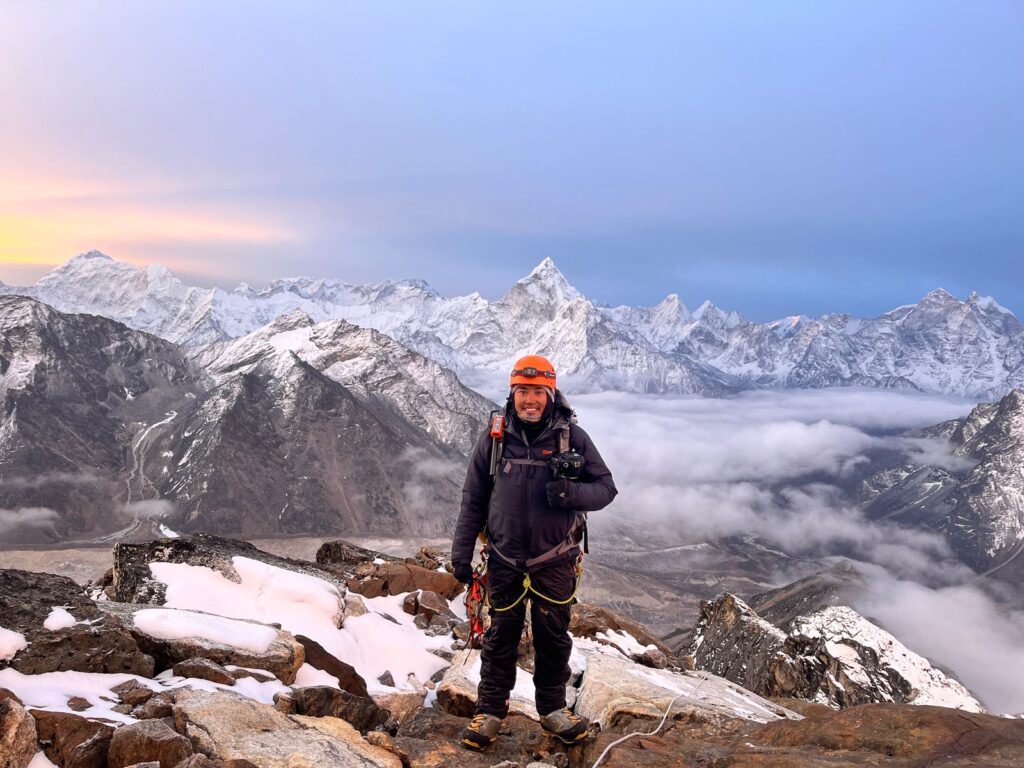
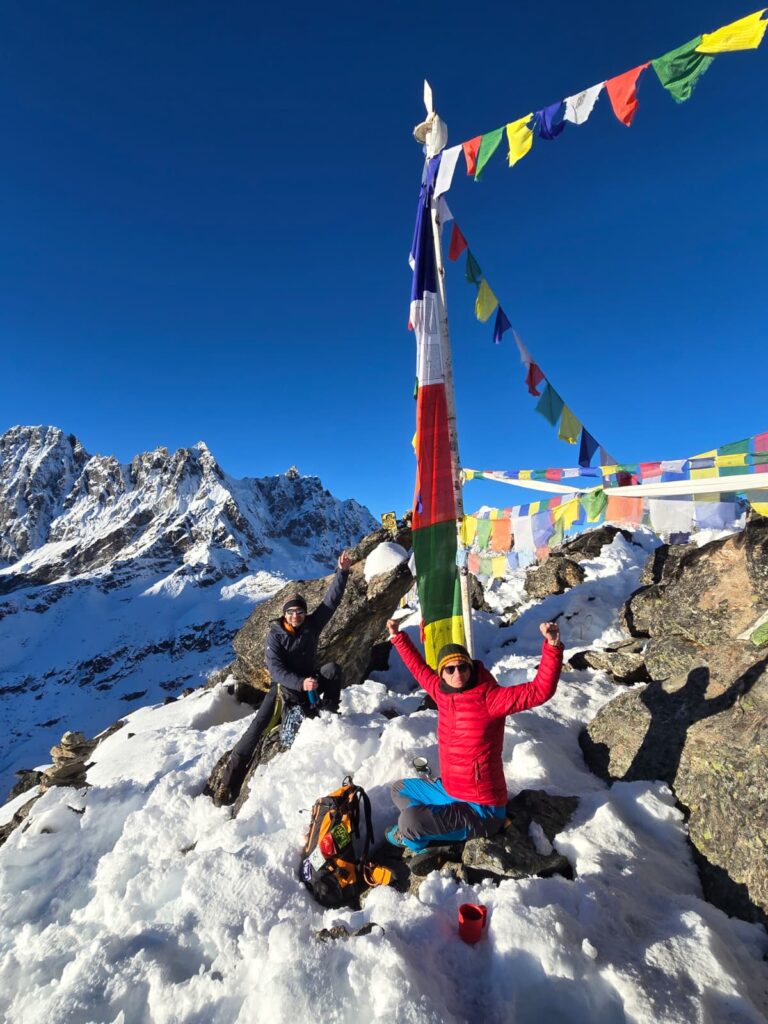
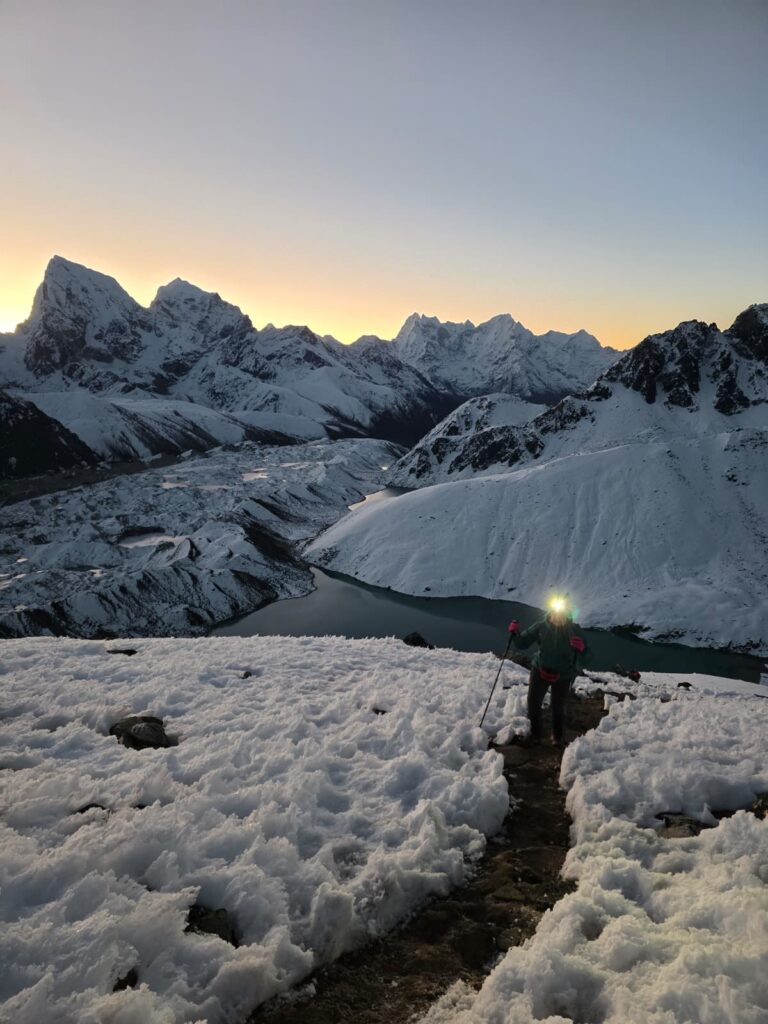
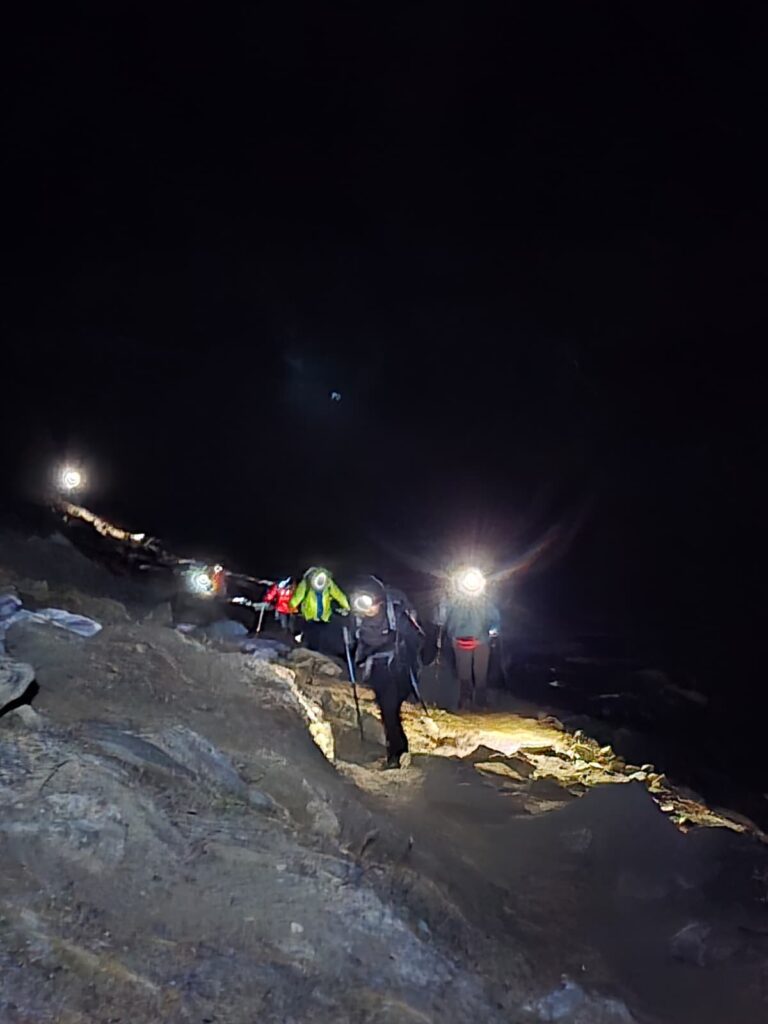
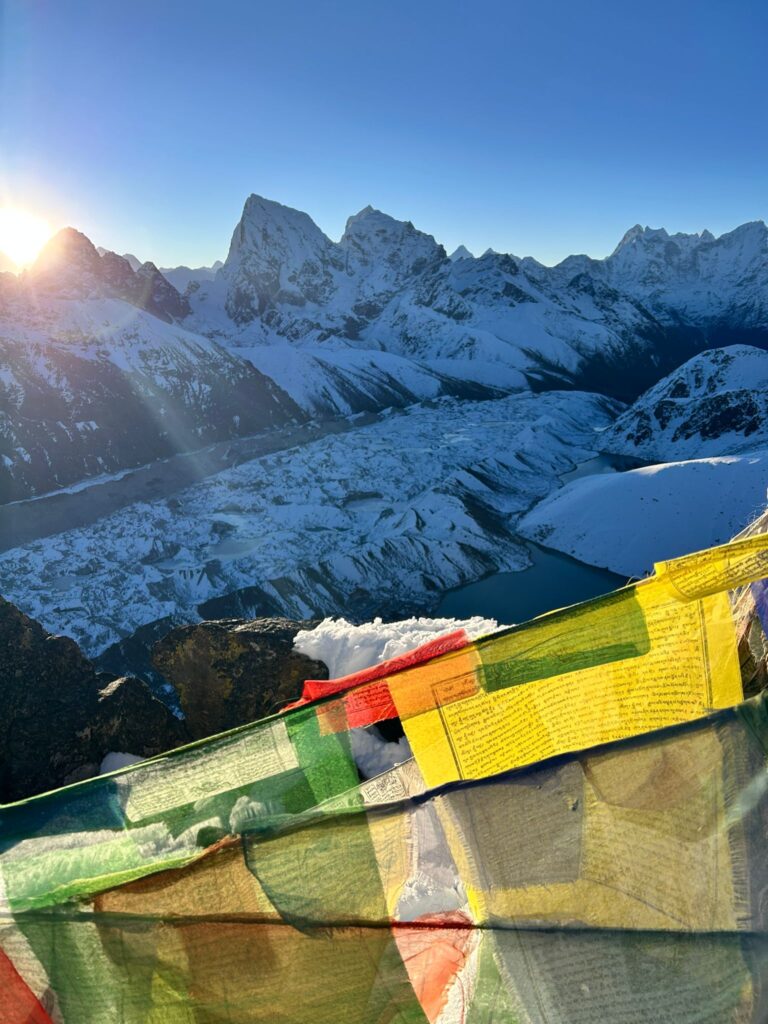
The summit push begins at night from High Camp (approx. 5,400 m). By the light of our headlamps, we set off towards the summit, first crossing rocky and snowy terrain, then a glacier, where we use safety ropes. The final section involves a steep climb up to the summit ridge. Once we reach the summit, a reward awaits – a panoramic view of Everest, Lhotse and Makalu.
The ascent and descent usually take between 8 and 12 hours and are the most challenging, yet also the most rewarding, part of the entire expedition. The best conditions for reaching the summit are in spring (March–May) and autumn (October–November), when the weather is stable and visibility is at its best.
Who is this trip for?
This expedition is for people who have experience of high-altitude trekking and want to take the next step – to climb their first six-thousander. Excellent physical fitness is required, as well as a willingness to endure many hours of exertion in high-altitude conditions. Climbing experience is not essential, but is strongly recommended – we will conduct a refresher training session before the summit push.
Safety and medical support (MedEverest)
Safety is not an afterthought. It is the cornerstone of this expedition. Every expedition we undertake above 6,000 metres is carried out in collaboration with MedEverest – the team led by Dr Robert Szymczak, PhD, a specialist in high-altitude medicine. The price includes:
- pre-departure medical assessment
- Recommendations for screening and prevention
- personalised acclimatisation plan
- 14-day access to the „First Aid in High Mountains” course”
- the option of a teleconsultation during the expedition
- a follow-up consultation
In addition, our guides have been trained in high-altitude medicine, which enhances the safety of the whole team.
What does the trip involve? (abridged itinerary)
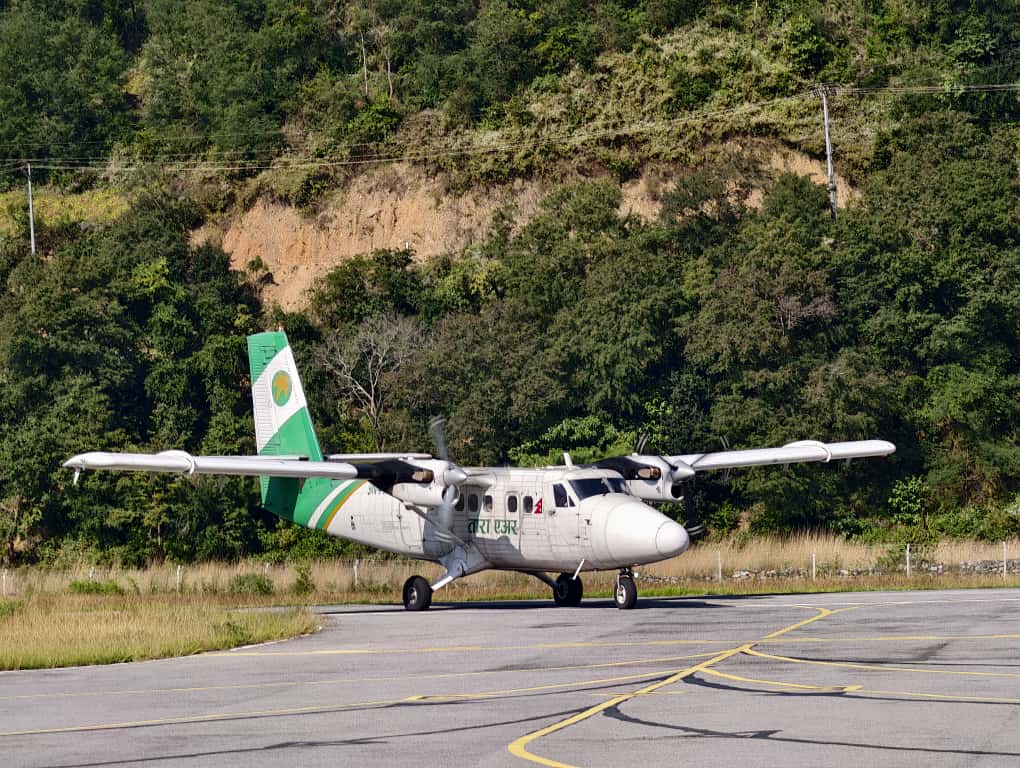
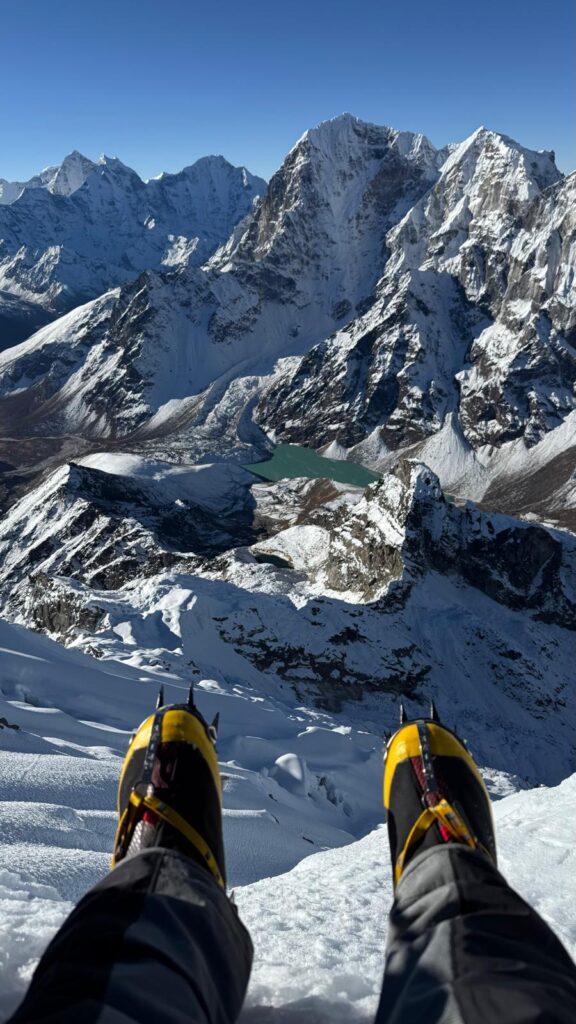
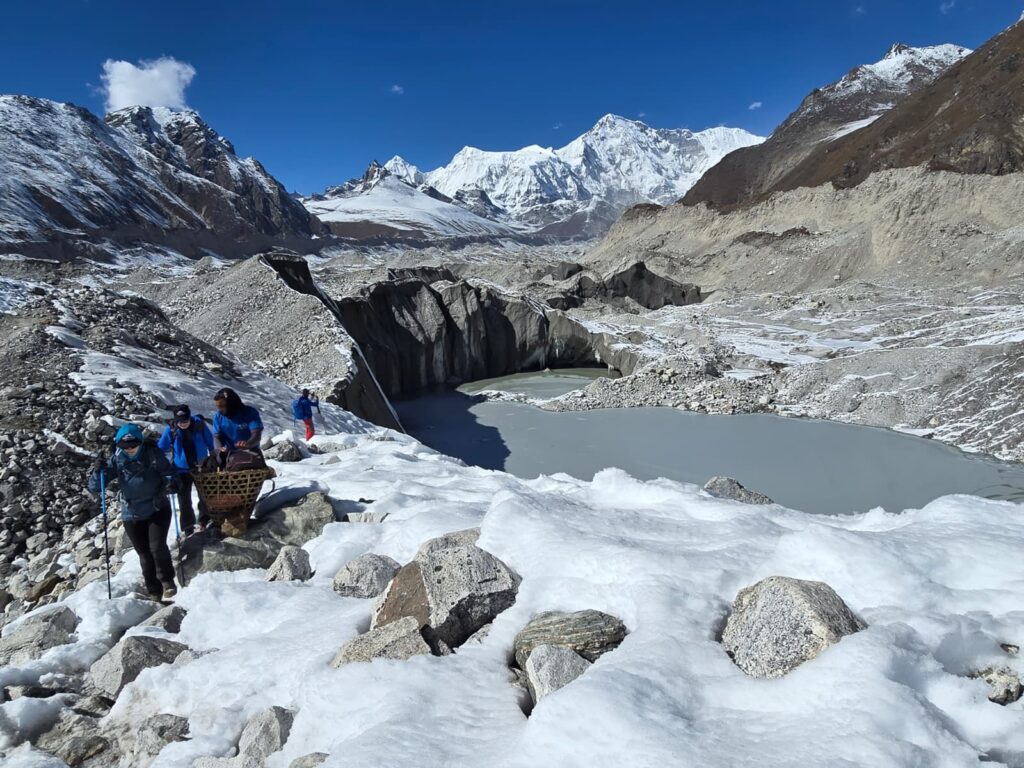
The trek lasts 21 days and covers the full route through the Khumbu region. We start in Kathmandu, from where we fly to Lukla and enter the Khumbu Valley. After acclimatising in Namche Bazaar, we head towards the Gokyo Lakes and climb Gokyo Ri. We then cross the Cho La Pass and reach Lobuche, where the climbing section of the expedition begins.
After a day of acclimatisation and an overnight stay at High Camp, we set out on our summit push to Lobuche Peak (6,090 m). After descending, we visit Everest Base Camp and Kala Patthar, before returning via Tengboche and Lukla. The itinerary includes acclimatisation days and reserve days, which enhance safety and improve the chances of reaching the summit.
What makes our trip special?
- Sherpa 1:2 during the summit push (a one-to-one service is also available)
- full medical cover included in the price (MedEverest)
- a small group (max. 12 people)
- Comprehensive logistics – no hidden costs
- Polish tour operator + local (our own!) Nepalese agency
– We organise everything ourselves – without any intermediaries and without hiring subcontractors. It’s a combination of local expertise and European safety standards.
Important additional information:
- NMA authorisation – includes Lobuche East (6,090 m), but does not include Lobuche Central/West (expedition peaks)
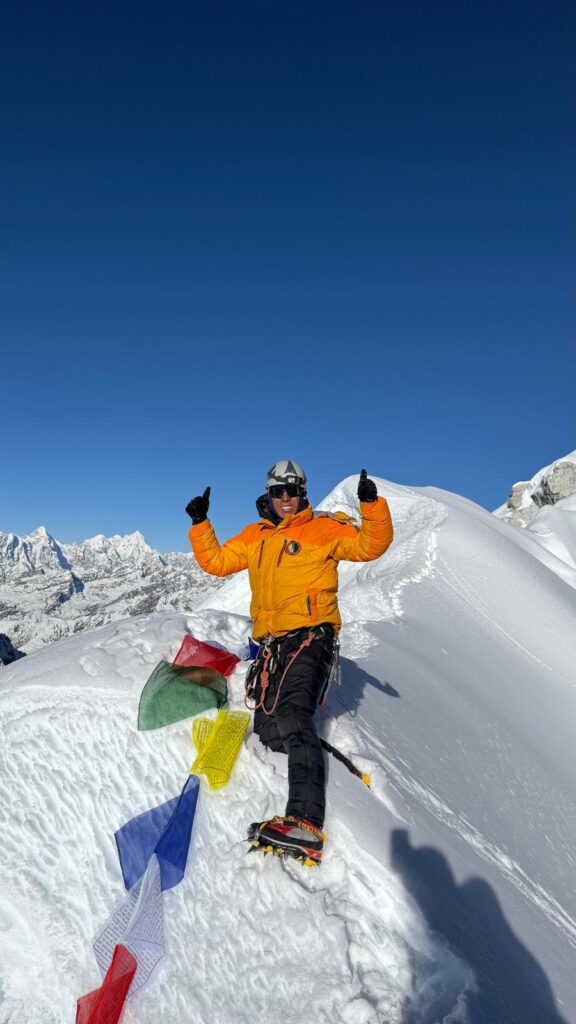
- Height at the peak: Various sources quote figures of 6,090 m or 6,119 m. The Nepalese authorities recognise reaching the summit of the so-called „plateau” (approx. 6,000 m) as a successful ascent, and an official certificate is issued on the basis of a photograph.
- International practice – Most professional agencies (both Nepalese and international) end their ascent at the plateau, considering this to be the summit of Lobuche East, and this is where we usually conclude our expedition. Conditions at the summit very rarely allow climbers to reach the main peak at 6,119 m, and this is only possible for very experienced climbers, a small team and in favourable conditions.
Limited number of places available
We organise our expeditions in small groups, which ensures greater safety and comfort. If you’re thinking about climbing your first six-thousander – now is the right time.